Verily I say unto you, Whosoever shall not receive the kingdom of God as a little child, he shall not enter therein.
(Mark 10:15) KJV
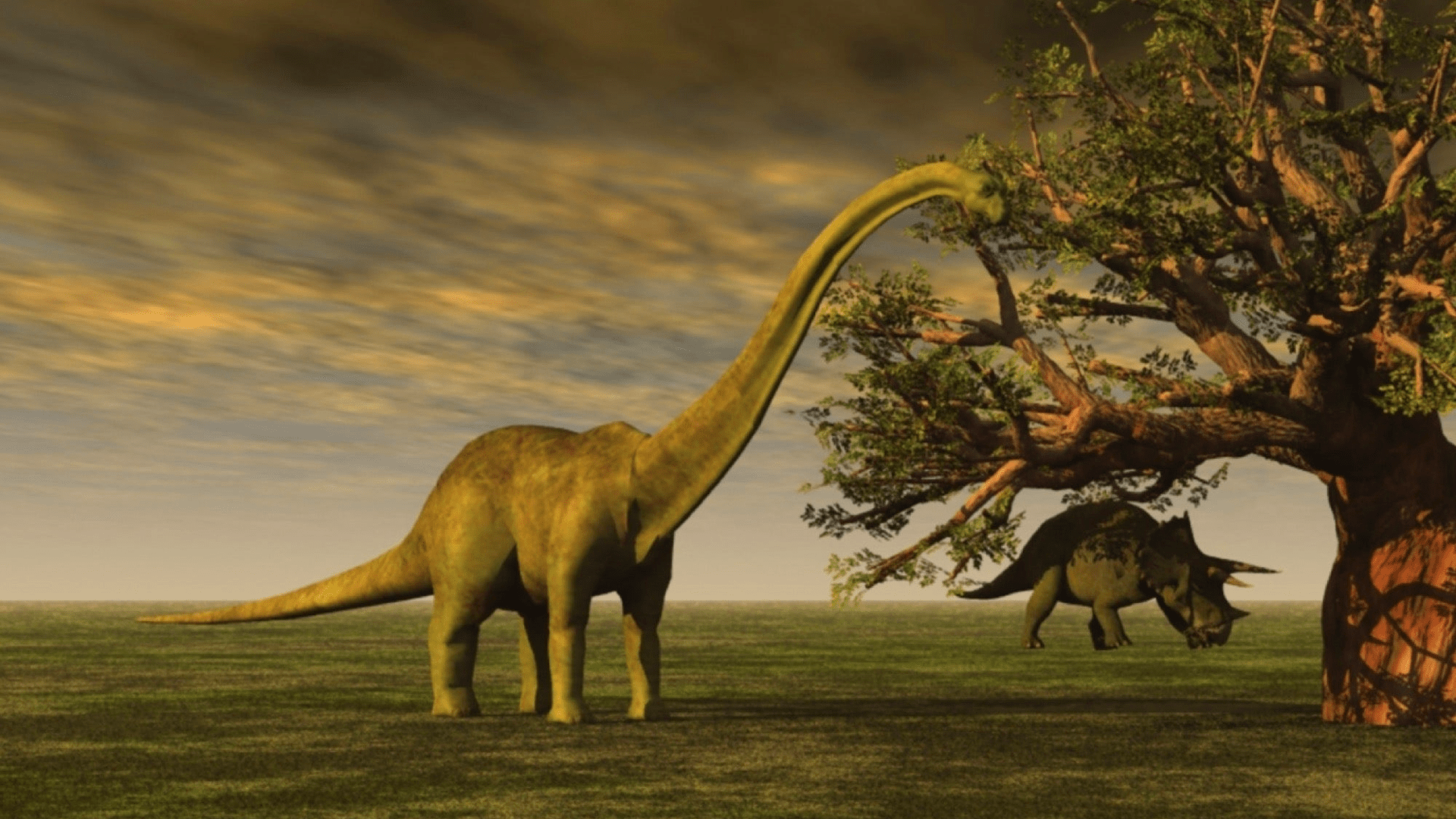
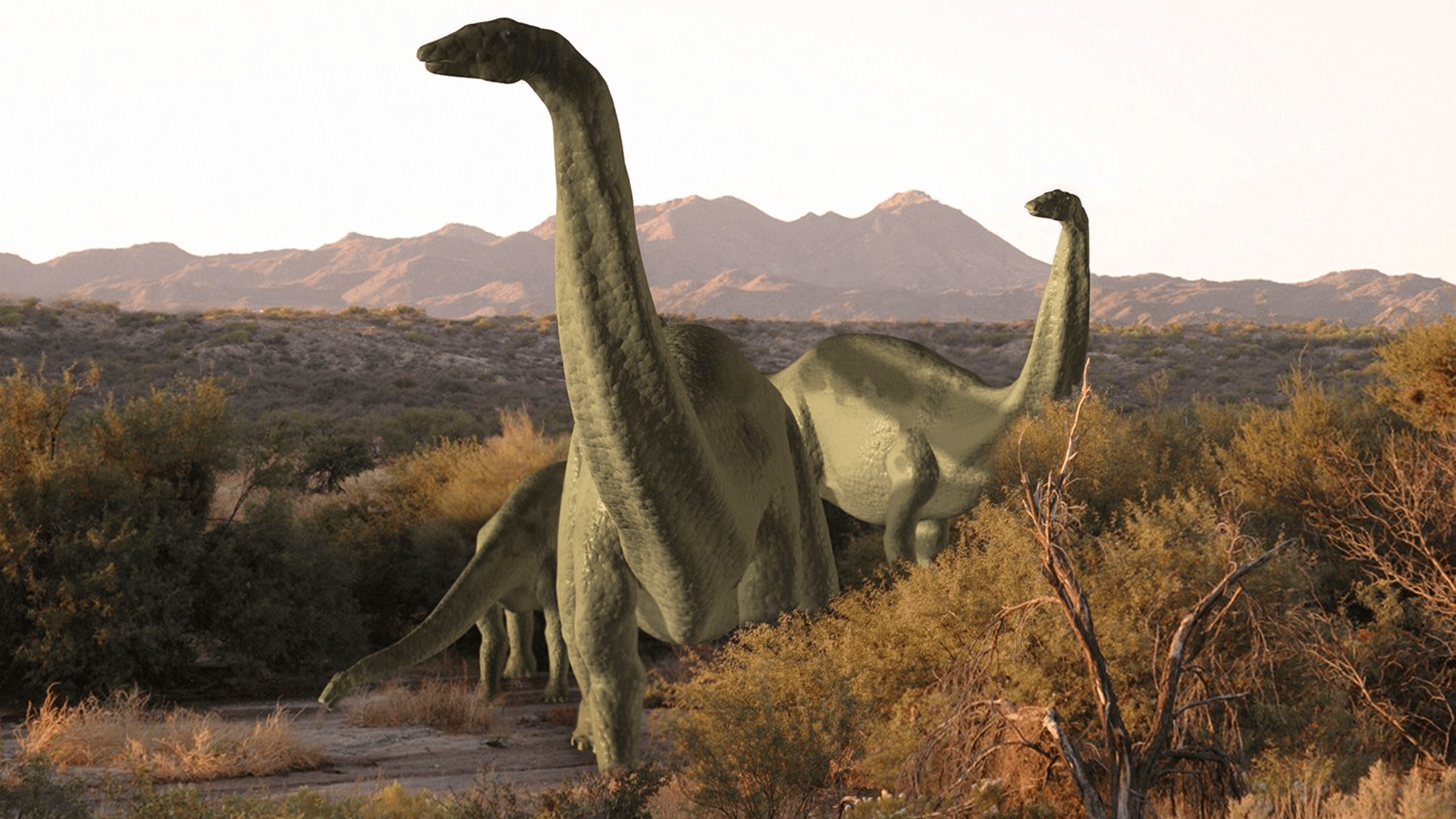
Whether or not a Biblical word translated as a kind of serpent refers to something which may have been a dinosaur is context dependent. Sometimes a snake is just a snake. Sometimes a serpent is a Sauropod.
I am a brother to dragons, and a companion to owls.
(Job 30:29) KJV
First mammals? A place where mammals were buried doesn’t make them the first mammals. The presence of mammal remains in sediment is used to place the sediment in timeline of the evolution narrative. That’s what you call circular reasoning.
And I will make Jerusalem heaps, and a den of dragons; and I will make the cities of Judah desolate, without an inhabitant.
(Jeremiah 9:11) KJV
We want to take another opportunity to address the issue of dinosaurs and humans being present on the Earth at the same time. If we believe the creation narrative then of course they were on the Earth at the same time, because there was never a time before humans other than the 6 days of creation. If this is the case, why don’t we find fossil deposits which contain the remains of dinosaurs and humans together?
Behold now behemoth, which I made with thee; he eateth grass as an ox. Lo now, his strength is in his loins, and his force is in the navel of his belly. He moveth his tail like a cedar: the sinews of his stones are wrapped together. His bones are as strong pieces of brass; his bones are like bars of iron. He is the chief of the ways of God: he that made him can make his sword to approach unto him. Surely the mountains bring him forth food, where all the beasts of the field play. He lieth under the shady trees, in the covert of the reed, and fens. The shady trees cover him with their shadow; the willows of the brook compass him about. Behold, he drinketh up a river, and hasteth not: he trusteth that he can draw up Jordan into his mouth. He taketh it with his eyes: his nose pierceth through snares.
(Job 40:15-24) KJV
Behold now Behemoth. Is there any doubt that this passage is about a Brontosaurus? If it’s merely poetry then the picture it paints for is of a sauropod dinosaur, lumbering around taking it’s time, eating everything in sight. See the full article.




 Matty (Headwind)