Lemurs and Birds

For the king’s ships went to Tarshish with the servants of Hiram. Once every three years the merchant ships came, bringing gold, silver, ivory, apes, and monkeys.

(2 Chronicles 9:21) NKJV

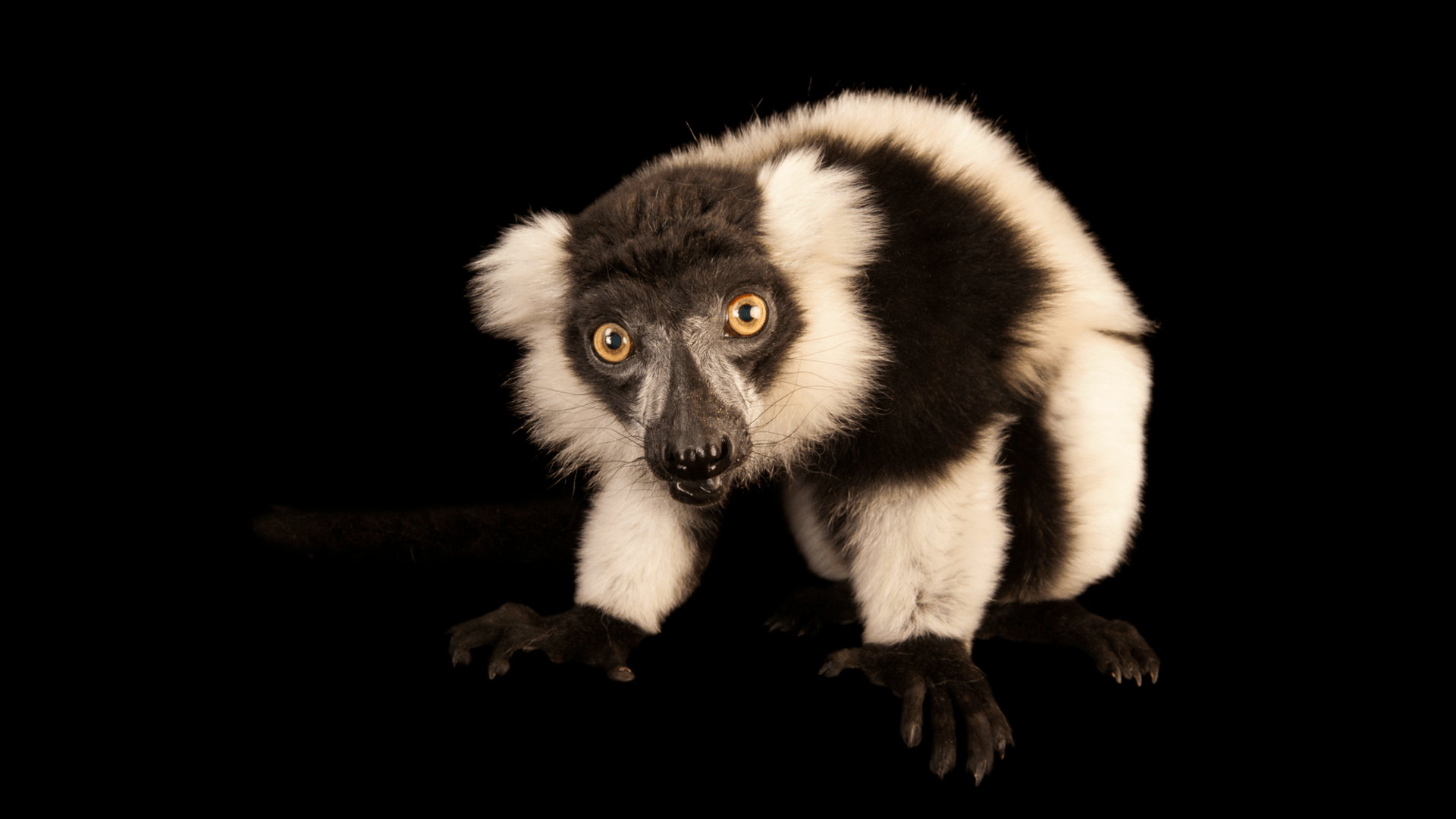
“First lemurs; some modern groups of birds.” Modern is a concept in the evolution narrative. The Paleocene is recent, therefore according to the narrative anything different about it can be called modern. It’s meaningless.

Continue reading “Lemurs and Birds”

Continued Inundation of Embayments and Synclines

Now the flood was on the earth forty days. The waters increased and lifted up the ark, and it rose high above the earth.

(Genesis 7:17) NKJV

Continued inundation of embayments and synclines“. That’s how you describe a world-wide flood without saying the words world-wide flood. This is another phrase to add to our list of Paleodoublespeak terms.

Continue reading “Continued Inundation of Embayments and Synclines”

Trend From Temperate Climates to Subtropical

In the six hundredth year of Noah’s life, in the second month, on the seventeenth day of the month, on that day all the fountains of the great deep burst forth, and the windows of the heavens were opened.

(Genesis 7:11) ESV

Trend from temperate climate to subtropical“. That sounds suspiciously like a way to say that it started raining a lot. “Some seasonal variations“. No kidding. It started raining, then it stopped raining.

Continue reading “Trend From Temperate Climates to Subtropical”

August 21st

Paleocene

For the king had merchant ships at sea with the fleet of Hiram. Once every three years the merchant ships came bringing gold, silver, ivory, apes, and monkeys.

(1 Kings 10:22) KJV

The Paleocene is an ecosystem which has been destroyed, transported and buried in sediment during a world-wide flood.

Continue reading “August 21st”