WHALE FOSSILS HIGH IN ANDES SHOW HOW MOUNTAINS ROSE FROM SEA

This is a direct copy of a SciPop or news article preserved here because things on the internet have a bad habit of disappearing when you try to find them again. Full credit is given to the original authors and the source.

– Matty

About the Archive

This is a digitized version of an article from The Times’s print archive, before the start of online publication in 1996. To preserve these articles as they originally appeared, The Times does not alter, edit or update them.

Occasionally the digitization process introduces transcription errors or other problems; we are continuing to work to improve these archived versions.

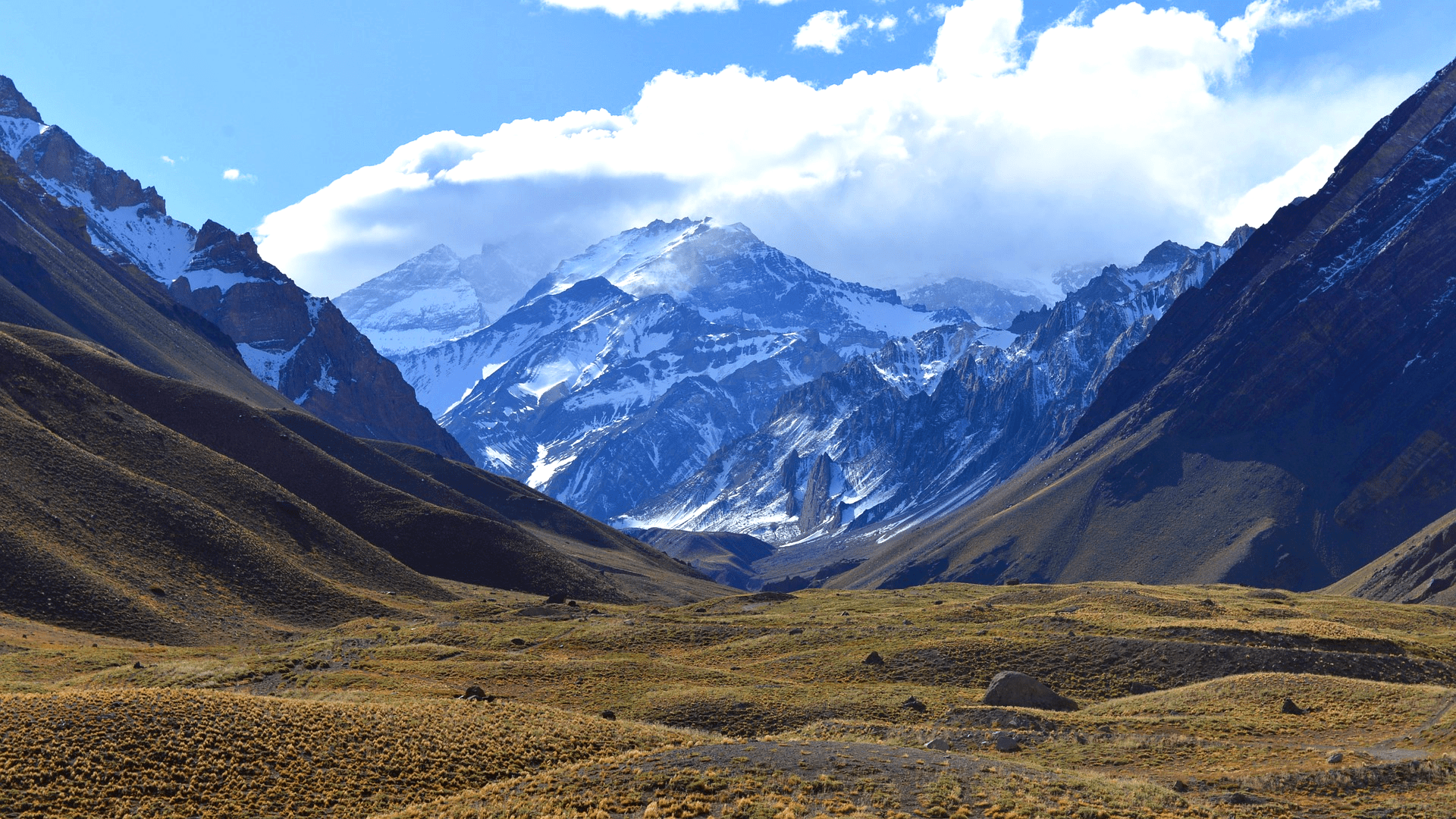
Scientists have found fossils of whales and other marine animals in mountain sediments in the Andes, indicating that the South American mountain chain rose very rapidly from the sea.

Continue reading “WHALE FOSSILS HIGH IN ANDES SHOW HOW MOUNTAINS ROSE FROM SEA”

Is Hell Exothermic or Endothermic?

You might be surprised how often this issue comes up. Tell an atheist science troll (AST) on Twitter that hell is expanding and don’t be surprised if you get the response: “if hell is expanding then it must be cooling”. They don’t take into account that hell is expanding due to the continual influx of human souls and debris.

– Matty

The following is an actual question given on a University of Washington chemistry mid-term:

“Is Hell exothermic (gives off heat) or endothermic (absorbs heat)? Support your answer with a proof.”

– University of Washington exam question.
Continue reading “Is Hell Exothermic or Endothermic?”

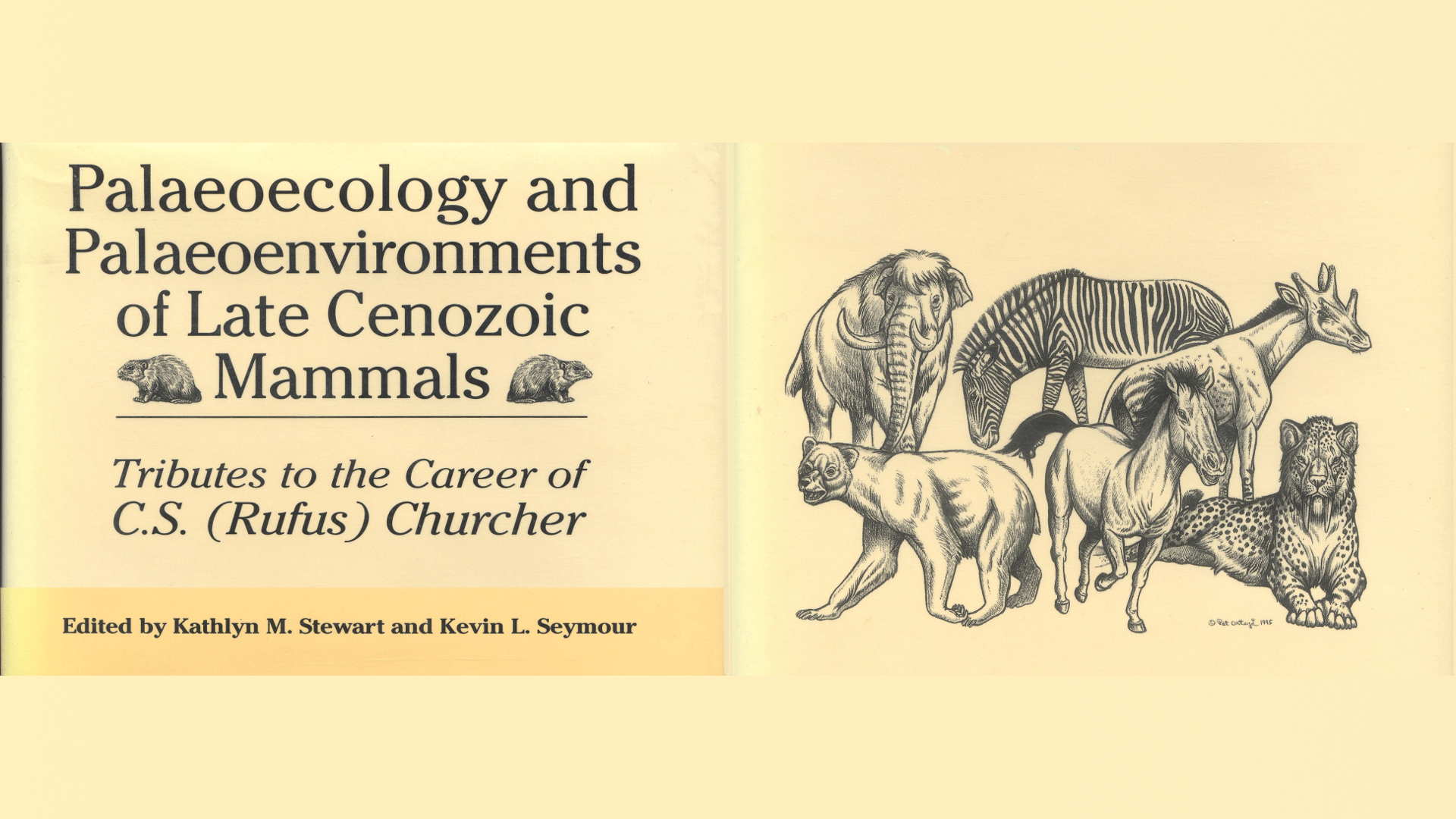
Paleaeoecology and Palaeoenvironments of Late Cenozoic Mammals

Study to shew thyself approved unto God, a workman that needeth not to be ashamed, rightly dividing the word of truth.

(2 Timothy 2:15) KJV

Our copy of “Paleaeoecology and Palaeoenvironments of Late Cenozoic Mammals” came to us back in 1999 when we were living in the woods beside Jordan Lake in Chatham County, NC.

Continue reading “Paleaeoecology and Palaeoenvironments of Late Cenozoic Mammals”

Scientists Just Narrowed Down The Age of Earth’s Inner Core

This is a direct copy of a SciPop or news article preserved here because things on the internet have a bad habit of disappearing when you try to find them again. Full credit is given to the original authors and the source.

– Matty

At some point in Earth’s 4.5-billion-year history, its entirely liquid iron core cooled enough to form a solid ball in the centre. Today, our planet’s core consists of a solid iron inner core surrounded by a molten iron outer core, but pinning down exactly when this change occurred has proven quite difficult.

Continue reading “Scientists Just Narrowed Down The Age of Earth’s Inner Core”

LHC creates matter from light

This is a direct copy of a SciPop or news article preserved here because things on the internet have a bad habit of disappearing when you try to find them again. Full credit is given to the original authors and the source.

– Matty

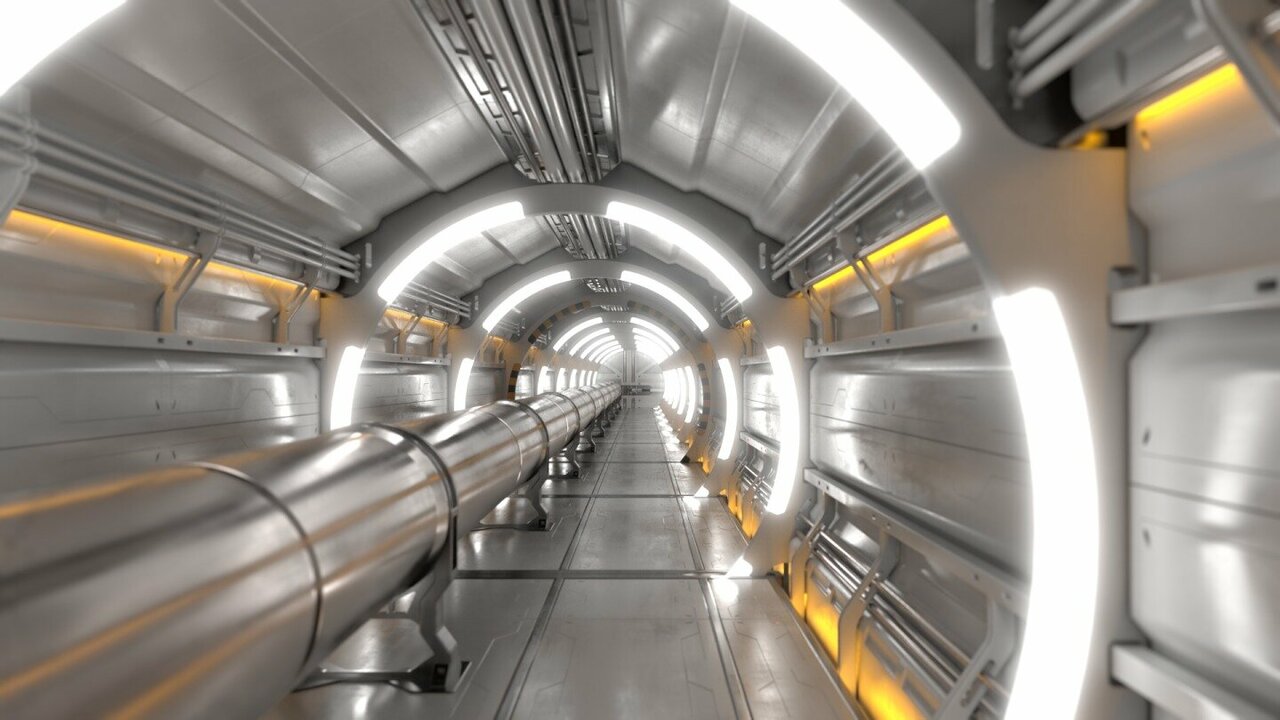
Scientists on an experiment at the Large Hadron Collider see massive W particles emerging from collisions with electromagnetic fields. How can this happen?

Continue reading “LHC creates matter from light”

Iridium abundance maxima in the Upper Cenomanian extinction interval

Two iridium abundance peaks, both 0.11 ppb (whole‐rock basis) over local background of 0.017 ppb, have been found in Middle Cretaceous marine rocks near Pueblo, Colorado. They occur just below the 92‐million‐year‐old Cenomanian‐Turonian (C‐T) stage boundary.

Continue reading “Iridium abundance maxima in the Upper Cenomanian extinction interval”

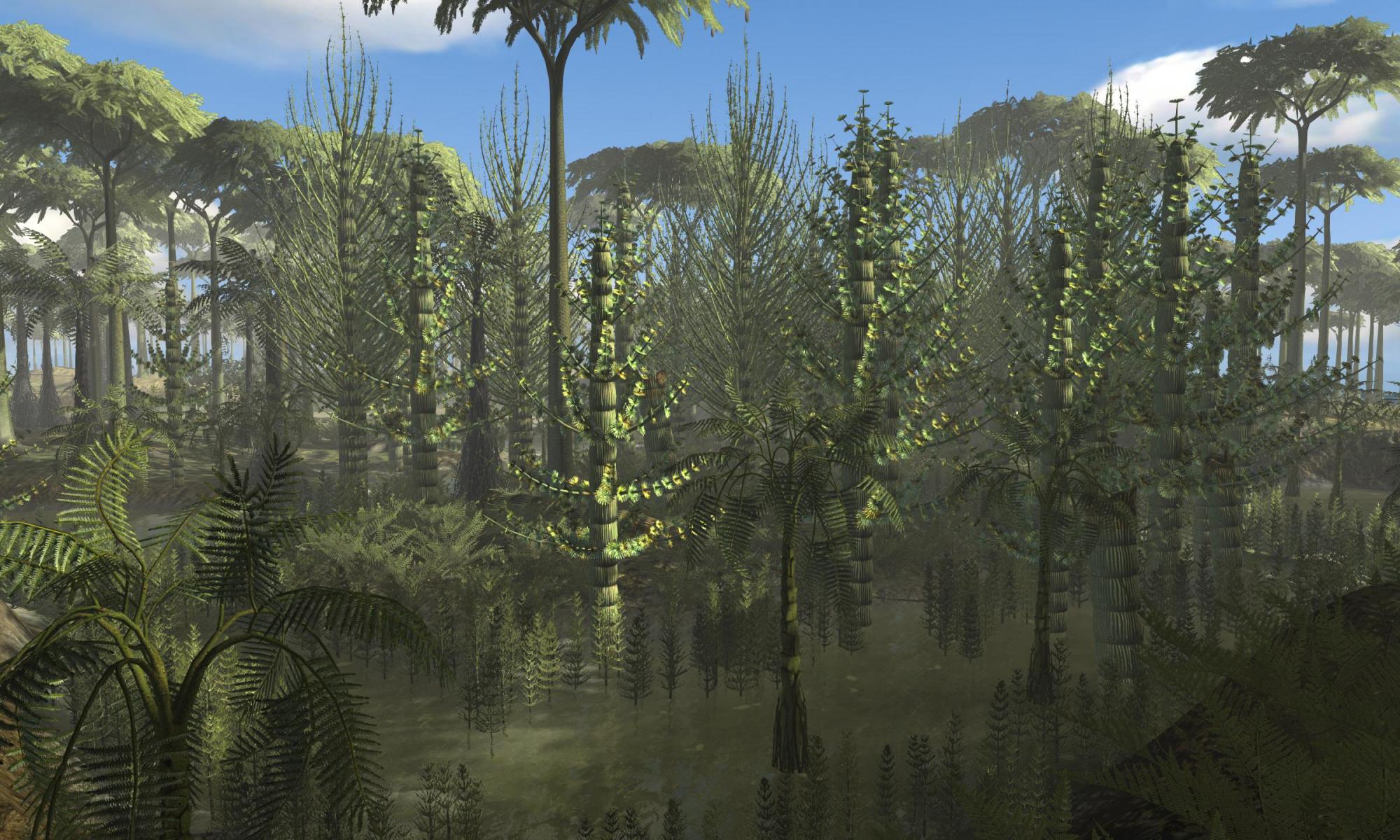
Catastrophically Buried Middle Pennsylvanian Sigillaria and Calamitean Sphenopsids from Indiana, USA: What Kind of Vegetation Was This?

  • William A. Dimichele, W. John Nelson, Scott Elrick and Philip R. Ames
  • PALAIOS Vol. 24, No. 3/4 (Mar. – Apr., 2009), pp. 159-166
  • Link to Article

Abstract

A catastrophically buried stand of calamitean sphenopsids and sigillarian lycopsids is reported from the Middle Pennsylvanian of southwestern Indiana, in the Illinois Basin.

Continue reading “Catastrophically Buried Middle Pennsylvanian Sigillaria and Calamitean Sphenopsids from Indiana, USA: What Kind of Vegetation Was This?”

Evolution: That Famous ‘March of Progress’ Image Is Just Wrong

This is a direct copy of a SciPop or news article preserved here because things on the internet have a bad habit of disappearing when you try to find them again. Full credit is given to the original authors and the source.

– Matty

New research shows animal evolution often involves losing genes and becoming less complex.

Continue reading “Evolution: That Famous ‘March of Progress’ Image Is Just Wrong”

Siberia Heatwave Sees Buildings Split in Two As Permafrost Thaws

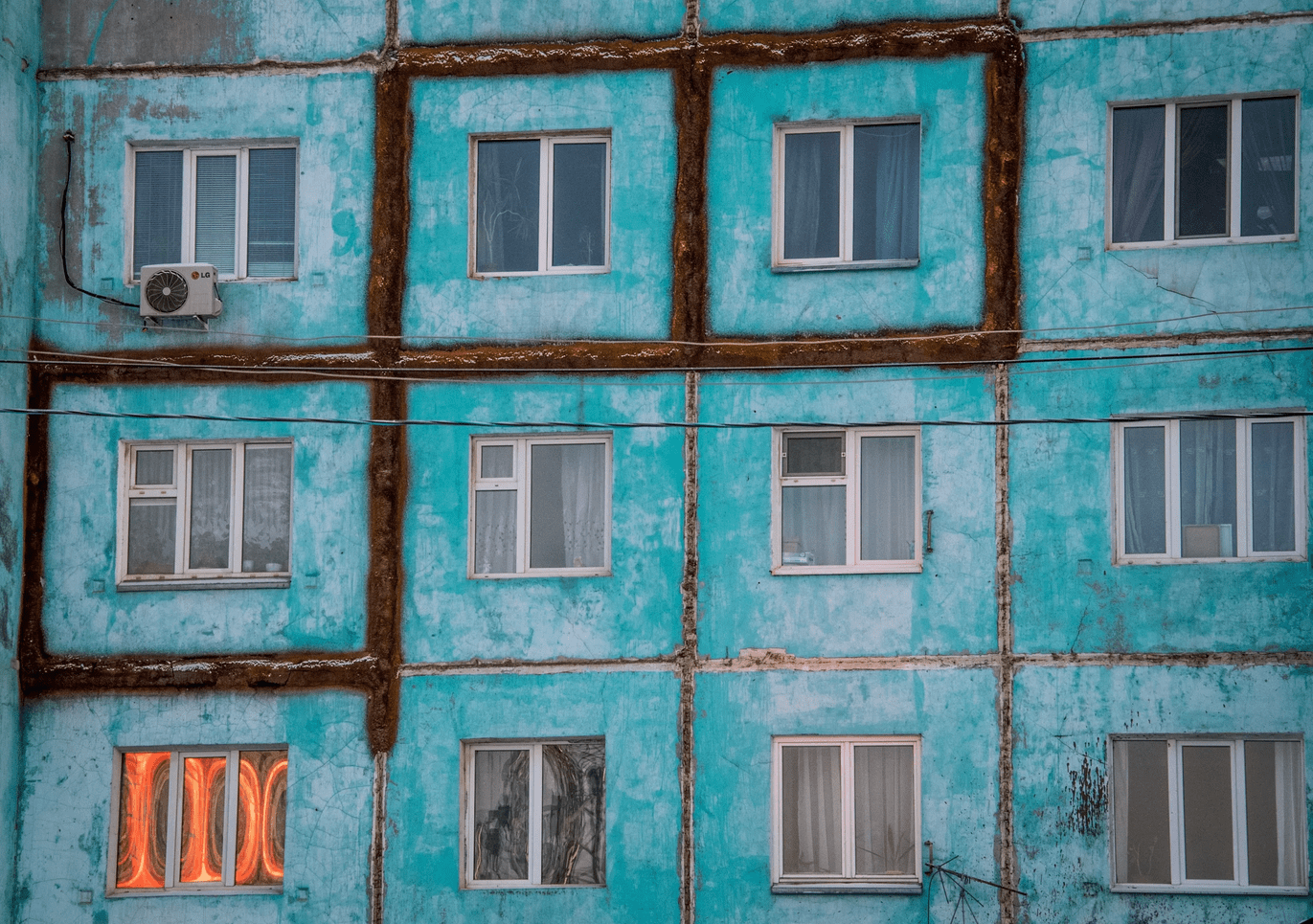
A two-story residential building broke apart as layers of permafrost thawed during a summer heatwave in Yakutsk, Russia—often referred to as the “world’s coldest city.”

Winter temperatures in Yakutsk, in east Siberia, regularly plummet to below minus 40 degrees Fahrenheit, with the record low standing at minus 83 degrees Fahrenheit.

But while the city, the largest in the world built on continuous permafrost, is no stranger to relatively hot weather at this time of year, climate change is contributing to warmer winters, longer summers, and more extreme heat waves in the region, and Siberia as a whole.

In fact, Siberia has been experiencing abnormally high temperatures for several months and the region saw an early start to summer during which a staggering measurement of 100.4 degrees Fahrenheit recorded on Saturday, June 20 in the small town of Verkhoyansk, according to Russian weather data that has yet to be verified.

This warming climate—the average annual temperature in Yakutsk has risen more than four degrees over the past few decades—is leading to increased melting of the highest permafrost layers on which the city lies, threatening the very foundations of its buildings as the ground subsides.

“The change of landscape tremendously affects any kind of buildings or roads or structure that you have,” Amber Soja, from NASA’s Langley Research Center, told Newsweek.

The building in Yakutsk, located in the city’s outskirts, started breaking apart in the early hours of June 24, when a roughly 4-inch crack appeared inside three flats and on the outer walls, The Siberian Times reported. Fortunately, residents realized what was happening and rushed out of the building.

“The situation caught us completely off guard, none of us had time to pick up documents or to take any other of our belongings with us. People ran in such a rush they didn’t even have time to shut doors,’ one resident of the building told The Siberian Times.

Most buildings in Yakutsk are built on deep concrete piles that sink deep into the permafrost in order to provide a solid foundation. But emergency workers who inspected the building after the cracks appeared found that one of the piles was broken. And beneath the building itself, they found a pool of meltwater, which they say could have played a role in the damage to the pile.

As Yakutsk and the wider region experiences rising air and ground temperatures, increased permafrost melting can cause the ground to subside, which can lead to the collapse of buildings.

In December, Russian President Vladimir Putin himself expressed concern over the potentially severe impact heat waves could have for the various Russian cities that are built on permafrost.

“As you know, Russia is a northern country, and 70 percent of our territory is located in the north latitudes,” Putin said. “Some of our cities were built north of the Arctic Circle, on the permafrost. If it begins to thaw, you can imagine what consequences it would have. It’s very serious.”