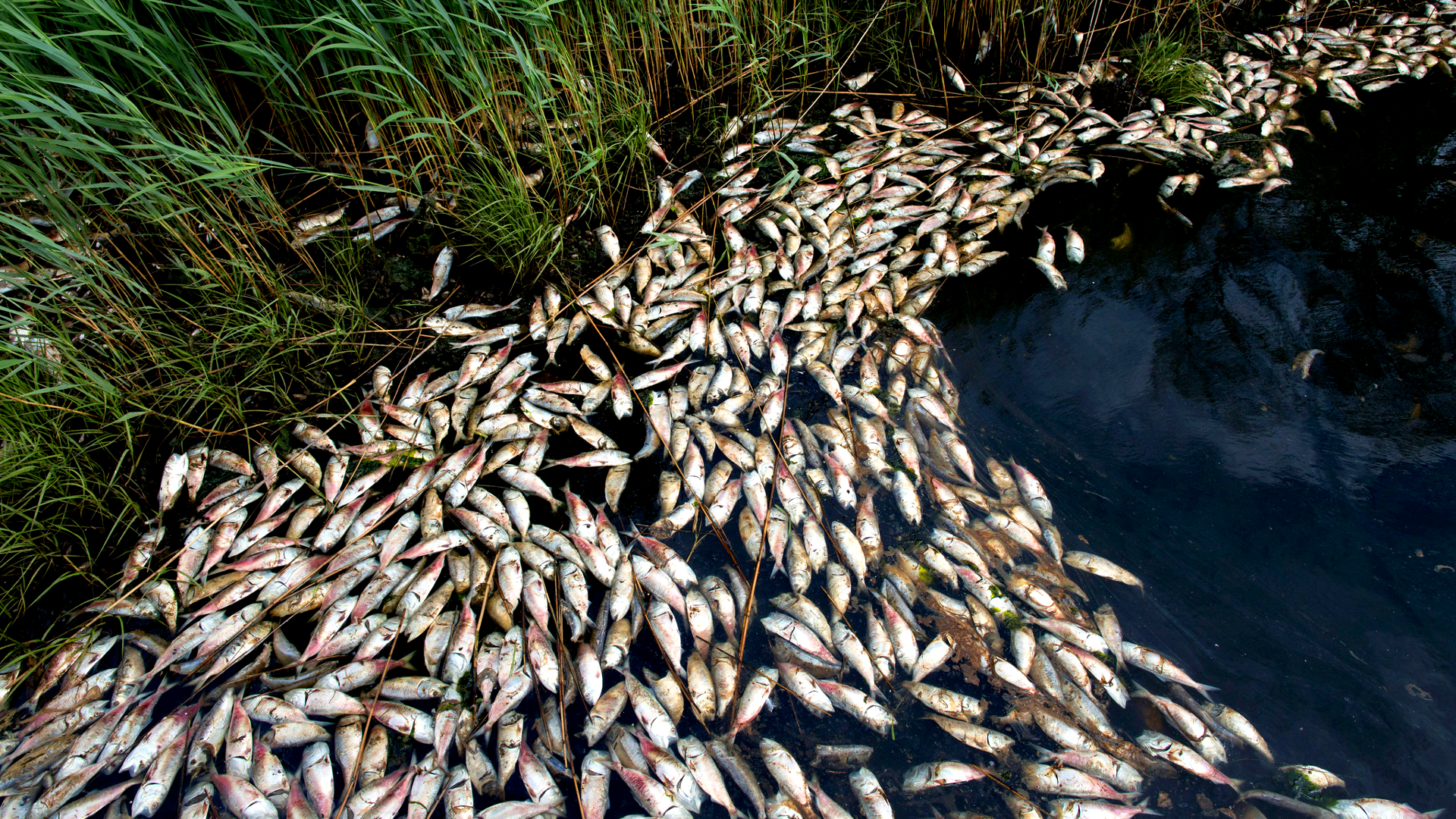
Iridium abundance maxima in the Upper Cenomanian extinction interval

Two iridium abundance peaks, both 0.11 ppb (whole‐rock basis) over local background of 0.017 ppb, have been found in Middle Cretaceous marine rocks near Pueblo, Colorado. They occur just below the 92‐million‐year‐old Cenomanian‐Turonian (C‐T) stage boundary.

Continue reading “Iridium abundance maxima in the Upper Cenomanian extinction interval”
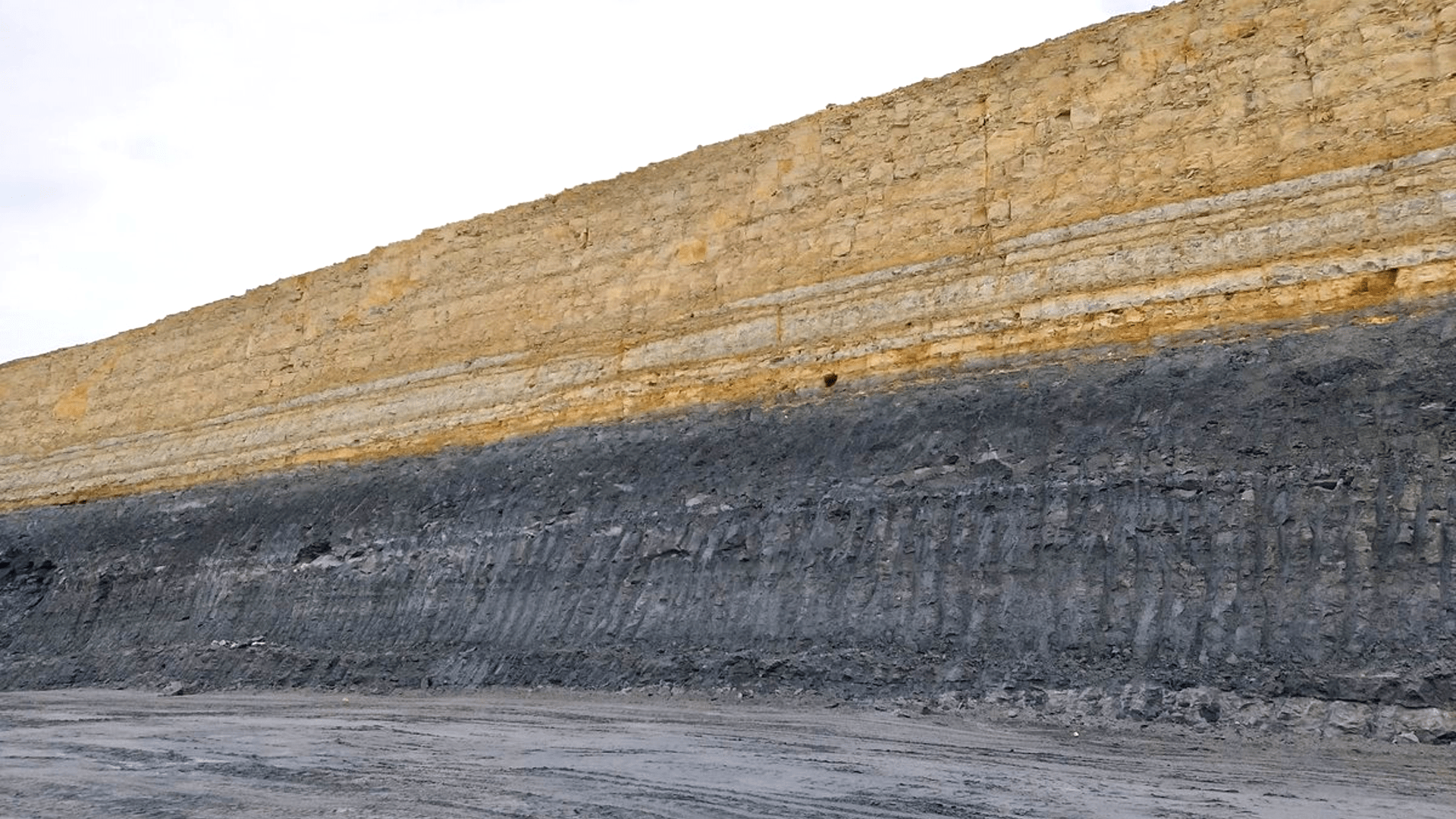
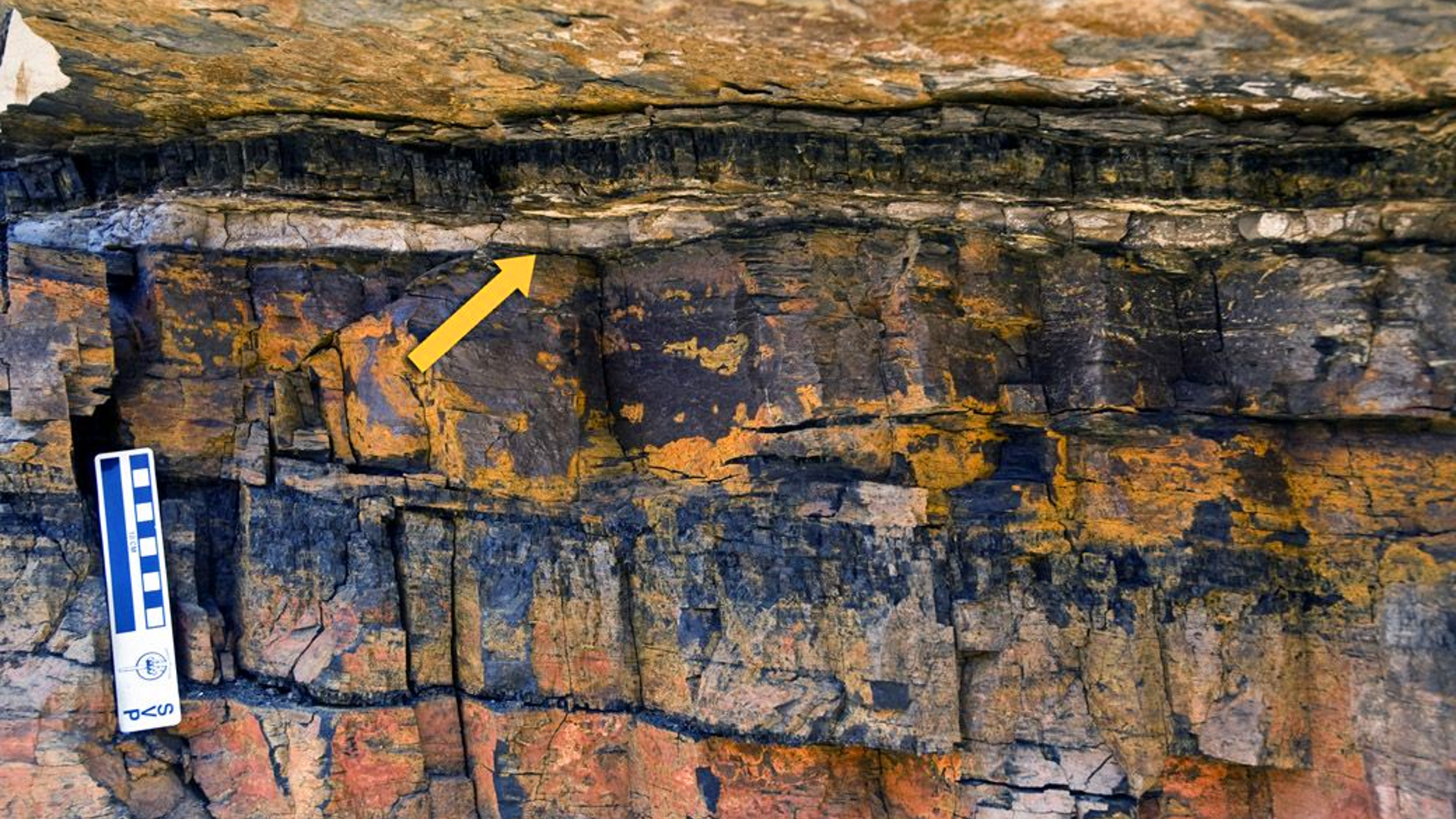
Cenomanian-Turonian

And all flesh died that moved on the earth: birds and cattle and beasts and every creeping thing that creeps on the earth, and every man. All in whose nostrils was the breath of the spirit of life, all that was on the dry land, died. So He destroyed all living things which were on the face of the ground: both man and cattle, creeping thing and bird of the air. They were destroyed from the earth. Only Noah and those who were with him in the ark remained alive. And the waters prevailed on the earth one hundred and fifty days.

(Genesis 7:21-24) NKJV

A world-wide anoxic extinction event above the Cretaceous/Tertiary boundary is a logical outcome of the worlds ecosystems decomposing in the waters of Noah’s flood.

Continue reading “Cenomanian-Turonian”

The Duration of Noah’s Flood

In the six hundredth year of Noah’s life, in the second month, the seventeenth day of the month, the same day were all the fountains of the great deep broken up, and the windows of heaven were opened.

(Genesis 7:11) KJV

And it came to pass in the six hundred and first year, in the first month, the first day of the month, that the waters were dried up from the earth; and Noah removed the covering of the ark and looked, and indeed the surface of the ground was dry. And in the second month, on the twenty-seventh day of the month, the earth was dried.

(Genesis 8:13-14) NKJV

We need to understand where the Iridium anomaly is found in the stratigraphic column as compared to the sequence of Noah’s flood that we can deduce from the sedimentary evidence.

Continue reading “The Duration of Noah’s Flood”

Dinosaurs in Jerusalem

Behold, the noise of the bruit is come, and a great commotion out of the north country, to make the cities of Judah desolate, and a den of dragons.

(Jeremiah 10:22) KJV

We are told repeatedly by Jeremiah that dragons only inhabit places where there are no humans, or from where the humans have already been driven out. Judah only became a den of dragons after it became desolate.

Continue reading “Dinosaurs in Jerusalem”

Angiosperms Rise to Dominance

He produced manuals on botany, describing every kind of plant, from the cedars of Lebanon to the hyssop that grows on walls. He also produced manuals on biology, describing animals, birds, insects, and fish.

(1 Kings 4:33) NET Bible

This is narrative that’s designed to establish the evolution premise that the Angiosperms are the most developmentally advanced kinds of plants, and so therefore have the most recent origin.

Continue reading “Angiosperms Rise to Dominance”