Uniformitarianism Applied

The earth is violently broken, The earth is split open, The earth is shaken exceedingly. The earth shall reel to and fro like a drunkard, And shall totter like a hut; Its transgression shall be heavy upon it, And it will fall, and not rise again.

(Isaiah 24:19-20) NKJV

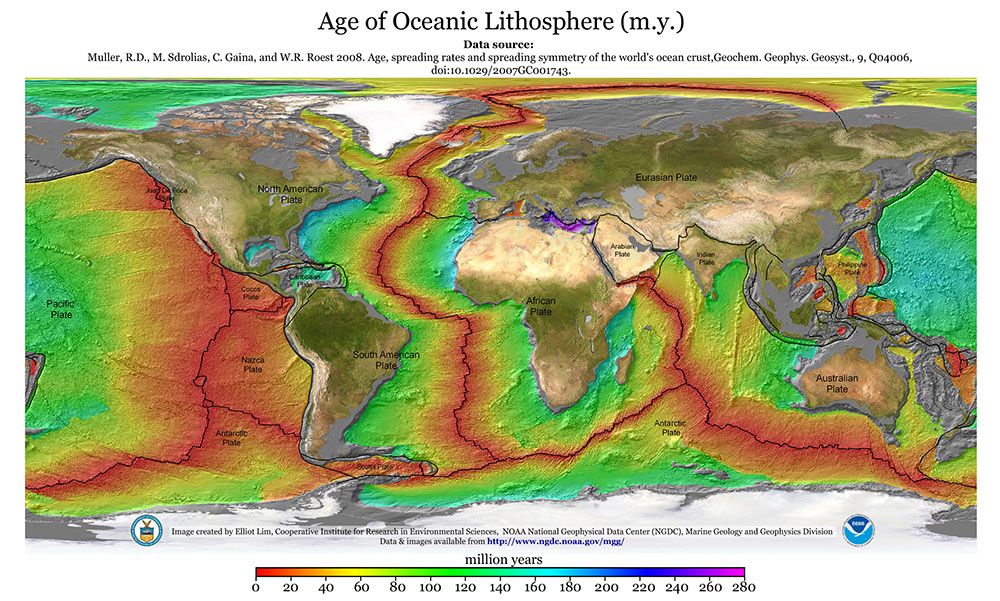
A classic example of the use of uniformitarianism is the calculation of how much has time has passed since the tectonic plates formed. Supposedly we can tell how fast the African and American continents are moving apart.

Continue reading “Uniformitarianism Applied”

Radial Shrinkage

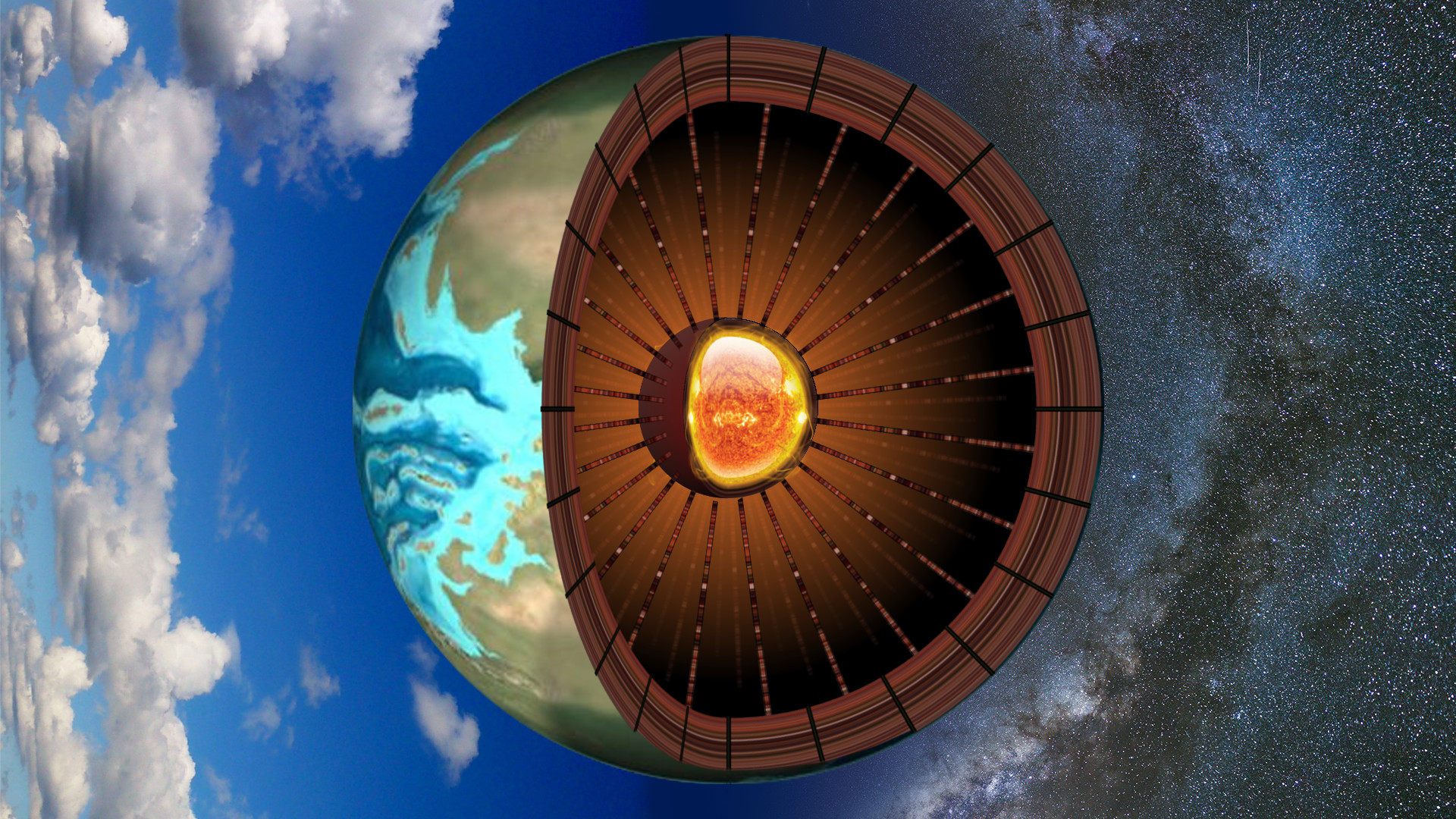
a comparison of the size of the planet earth on the third day vs. present day

Which removeth the mountains, and they know not: which overturneth them in his anger. Which shaketh the earth out of her place, and the pillars thereof tremble.

(Job 9:5-6) KJV

It will help to have an idea of the volume of material in the Earth’s mantle because it appears that Earth has shrunk since it was first created, a process known as radial shrinkage.

Continue reading “Radial Shrinkage”

From Peleg to Abraham

Nahor lived twenty-nine years, and begot Terah. After he begot Terah, Nahor lived one hundred and nineteen years, and begot sons and daughters. Now Terah lived seventy years, and begot Abram, Nahor, and Haran.

(Genesis 11:24-26) NKJV

The tectonic plates formed at least 201 years before the birth of Abraham. Noah’s flood was at least 302 years before Abraham. So much for the geological timescale.

Continue reading “From Peleg to Abraham”

From Noah to Peleg

Eber lived thirty-four years, and begot Peleg. After he begot Peleg, Eber lived four hundred and thirty years, and begot sons and daughters. Peleg lived thirty years, and begot Reu. After he begot Reu, Peleg lived two hundred and nine years, and begot sons and daughters.

(Genesis 11:16-19) NKJV

It’s possible to be precise with the timing of the tectonic breakup of Pangaea. The time-lapse from Noah’s flood to Peleg, and from Peleg to Abraham is recorded in Genesis 11:10-26.

Continue reading “From Noah to Peleg”

Creationism Schism

This is a faithful saying, and these things I want you to affirm constantly, that those who have believed in God should be careful to maintain good works. These things are good and profitable to men. But avoid foolish disputes, genealogies, contentions, and strivings about the law; for they are unprofitable and useless.

(Titus 3:8-9) NKJV

Tectonic breakup of Pangaea had to be after Babel. It’s a logically certain conclusion. It’s the only way to reconcile the Bible with the physical evidence. The result is a perfect harmonization of scripture with science.

Continue reading “Creationism Schism”

Hypothesis 35

To Eber were born two sons: the name of the one was Peleg (for in his days the earth was divided), and his brother’s name was Joktan.

(1 Chronicles 1:19) ESV

The Pangaea super-continent was broken into continental landmasses sometime after the tower of Babel. People and fauna were dispersed to all corners of Pangaea and then the tectonic plates formed.

Continue reading “Hypothesis 35”

A Universal Language

But the Lord came down to see the city and the tower which the sons of men had built. And the Lord said, “Indeed the people are one and they all have one language, and this is what they begin to do; now nothing that they propose to do will be withheld from them.

(Genesis 11:5-6) NKJV

People think that math is real. That’s because its use in engineering and medicine produces a beneficial result. There’s another side to math which is theoretical. Theoretical means imaginary.

Continue reading “A Universal Language”

How Much Variability is in a Kind?

Then God said, “Let the earth bring forth the living creature according to its kind: cattle and creeping thing and beast of the earth, each according to its kind”; and it was so.

(Genesis 1:24) NKJV

We can combine Noah’s flood, Peleg’s tectonics and knowledge of the process of devolution to help us clear up what level of variability is represented by the Biblical word KIND.

Continue reading “How Much Variability is in a Kind?”