

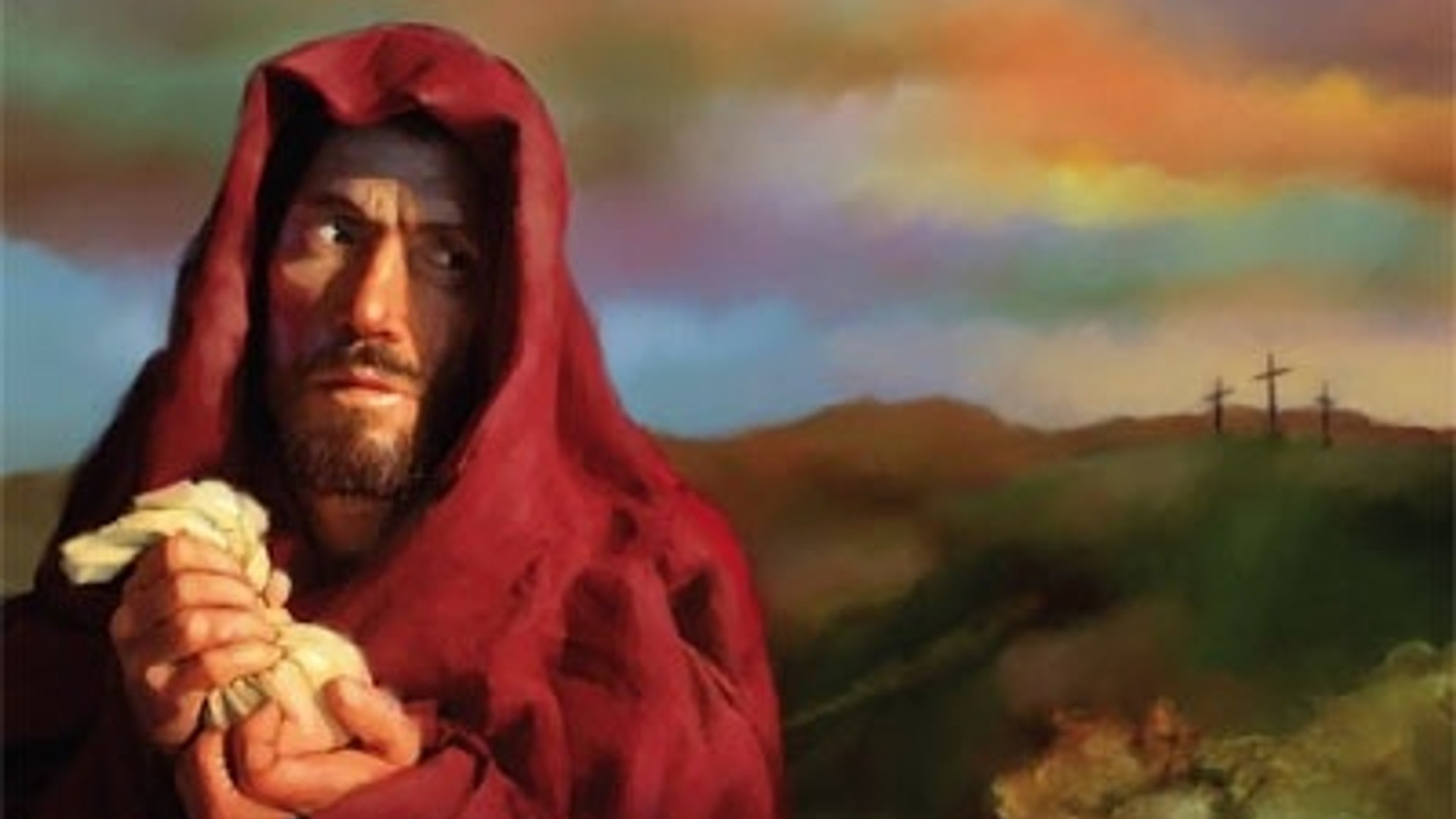
While I was with them in the world, I kept them in Your name. Those whom You gave Me I have kept; and none of them is lost except the son of perdition, that the Scripture might be fulfilled.
(John17:12) NKJV
The son of perdition is used to refer to Judas Iscariot who betrayed Jesus. The paradox is that, even though Judas made a choice which led the Lord to the cross, it was a necessary part of God’s will and the plan of redemption.
Some people take this to mean that’s there’s no such thing as free will because God has planned everything out. The thing is, the story that we’ve told is simply the events that played out. Judas could have changed his mind and someone else would have led Jesus to the cross. That’s why Judas is held accountable for it.
A lot of people struggle to get a handle on doctrines like election and predestination. Obviously God isn’t going to save everyone and he already knew who he was going to save from the foundation of the world. Given that, how on Earth could we possibly have free will?
We can have free will and God can be all knowing if we get a handle on God’s relationship with time. This is a serendipitous benefit of having a Biblical theory of quantum gravity (BQG).

July 16 – Perdition
Perdition can be translated “ruin.” Perdition is a nuanced kind of destruction with eternal consequences. It’s not the end of something, as if it disappears. It’s the end of what could have been.
 Matty (Headwind)