
So the Light of Israel will be for a fire, And his Holy One for a flame; It will burn and devour His thorns and his briers in one day. And it will consume the glory of his forest and of his fruitful field, Both soul and body; And they will be as when a sick man wastes away.
(Isaiah 10:17-18) NKJV
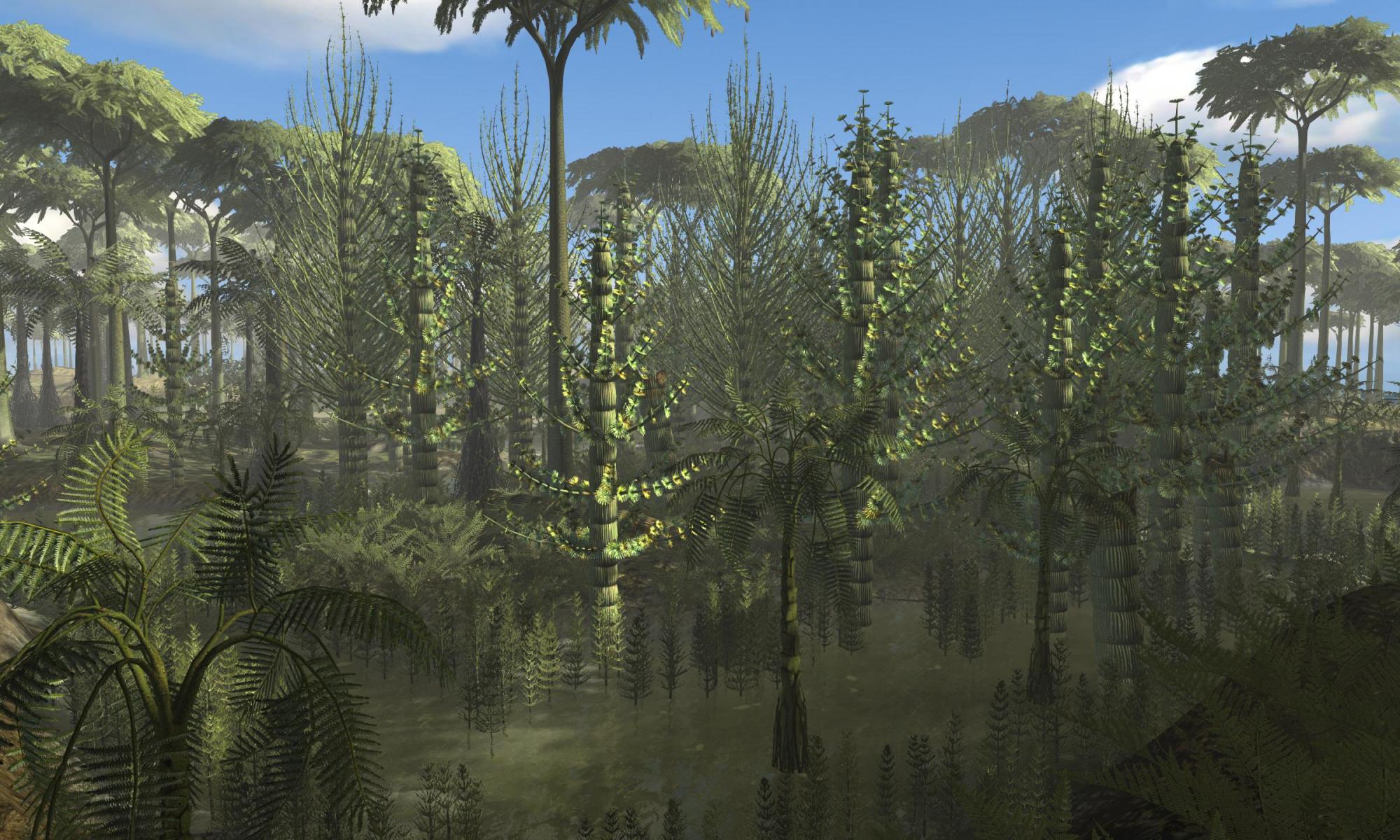
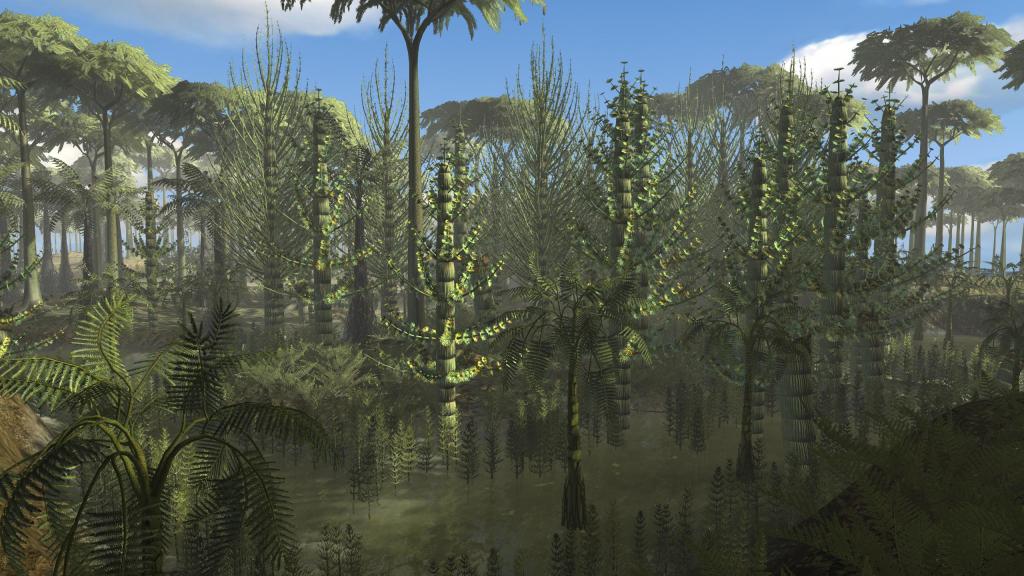
“Mosses, lycopods, sphenopsids, ferns, seed ferns and cordaites.” The next part of the description we have of the Pennsylvanian is a laundry list of plant kinds which sounds like an ecosystem or habitat, not a period of time.
Most of the plant kinds listed are alive today, or there are species alive within the same taxonomic genus, family or order. In some cases the tree-form of the kind was extincted by Noah’s flood while the herbaceous forms survived.

Mosses

Lycopods
Sphenopsids

Ferns

Seed Ferns

Cordaites
What’s most clearly evident is that the fossils are the remains of a diverse plant community which was buried in a catastrophic event. We have to begin to wonder, are the descriptions given us by Wilson N. Stewart a small thermal exhaust port in the Death Star of popular science (SciPop)?
Pennsylvanian – Navigation
| Section | Title | Scripture |
| 1 | Pennsylvanian | Romans 12:21 |
| 2 | Uniformly Warm, Humid Climates | Genesis 7:17 |
| 3 | Further Intrusion of Epicontinental Seas | Genesis 7:24 |
| 4 | Formation of the Great Coal Swamps | Matthew 7:1 |
| 5 | Catastrophically Buried | (Further reading) |
| 6 | Mosses, Lycopods, Sphenopsids | Isaiah 10:17-18 |
| 7 | The Origin of Abundant Diversification | Isaiah 5:20 |
| Salvation | Romans 10:9-10 |

August 11th – Pennsylvanian
The premise that Noah’s flood didn’t happen is needed to establish the timescale for biological evolution. However, the evidence clearly shows that Noah’s flood happened.
 Matty (Headwind)