Cosmology’s biggest conundrum is official, and no one knows how the Universe has expanded

Cosmology’s biggest conundrum is official, and no one knows how the Universe has expanded

After more than two decades of precision measurements, we’ve now reached the “gold standard” for how the pieces don’t fit.

This is a direct copy of a SciPop or news article preserved here because things on the internet have a bad habit of disappearing when you try to find them again. Full credit is given to the original authors and the source.

– Matty
  • There are two fundamentally different ways of measuring the expanding Universe: a “distance ladder” and an “early relic” method.
  • The early relic method prefers an expansion rate of ~67 km/s/Mpc, while the distance ladder prefers a value of ~73 km/s/Mpc — a discrepancy of 9%.
  • Owing to Herculean efforts by the distance ladder teams, their uncertainties are now so low that there is a 5-sigma discrepancy between the values. If the discrepancy isn’t due to an error, there may be a new discovery.
Continue reading “Cosmology’s biggest conundrum is official, and no one knows how the Universe has expanded”

Does the expansion of the Universe break the speed of light?

This is a direct copy of a SciPop or news article preserved here because things on the internet have a bad habit of disappearing when you try to find them again. Full credit is given to the original authors and the source.

– Matty

Just 13.8 billion years after the hot Big Bang, we can see 46.1 billion light-years away in all directions. Doesn’t that violate…something?

  • The cardinal rule of relativity is that there’s a speed limit to the Universe, the speed of light, that nothing can break.
  • And yet, when we look at the most distant of objects, their light has been traveling for no more than 13.8 billion years, but appears much farther away.
  • Here’s how that doesn’t break the speed of light; it only breaks our outdated, intuitive notions of how reality ought to behave.
Continue reading “Does the expansion of the Universe break the speed of light?”

A woman in British Columbia was asleep in her bed when a meteorite crash landed on her pillow

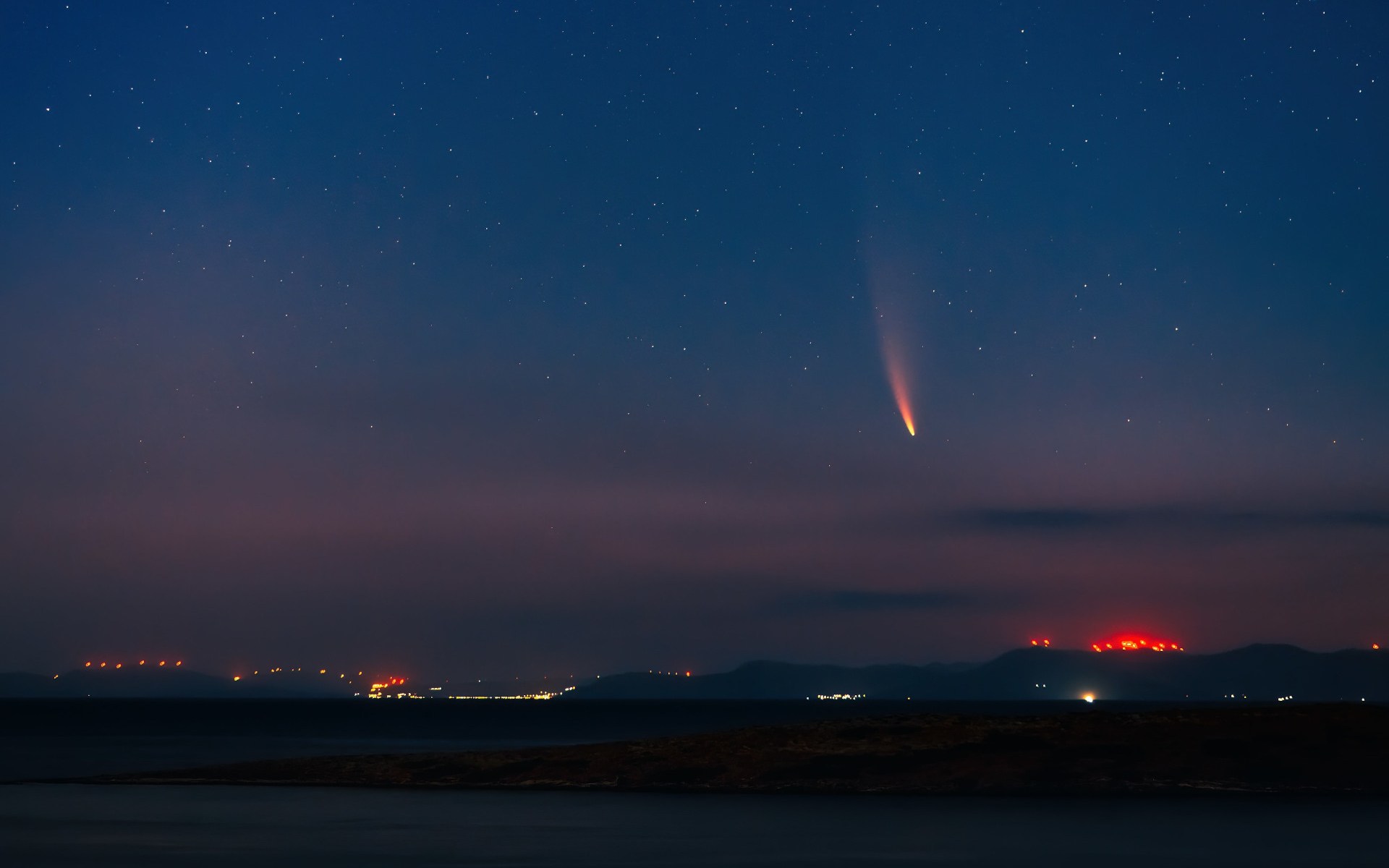
Night sky ove a city showing a meteor falling from the sky.

This is a direct copy of a SciPop or news article preserved here because things on the internet have a bad habit of disappearing when you try to find them again. Full credit is given to the original authors and the source.

– Matty

When you wish upon a shooting star, make sure to include “don’t crash into my house” in the fine print. The meteorite reportedly missed the woman’s head by mere inches.

Continue reading “A woman in British Columbia was asleep in her bed when a meteorite crash landed on her pillow”

Apophis Asteroid, Nicknamed ‘God of Chaos,’ is Speeding Up

This is a direct copy of a SciPop or news article preserved here because things on the internet have a bad habit of disappearing when you try to find them again. Full credit is given to the original authors and the source.

– Matty

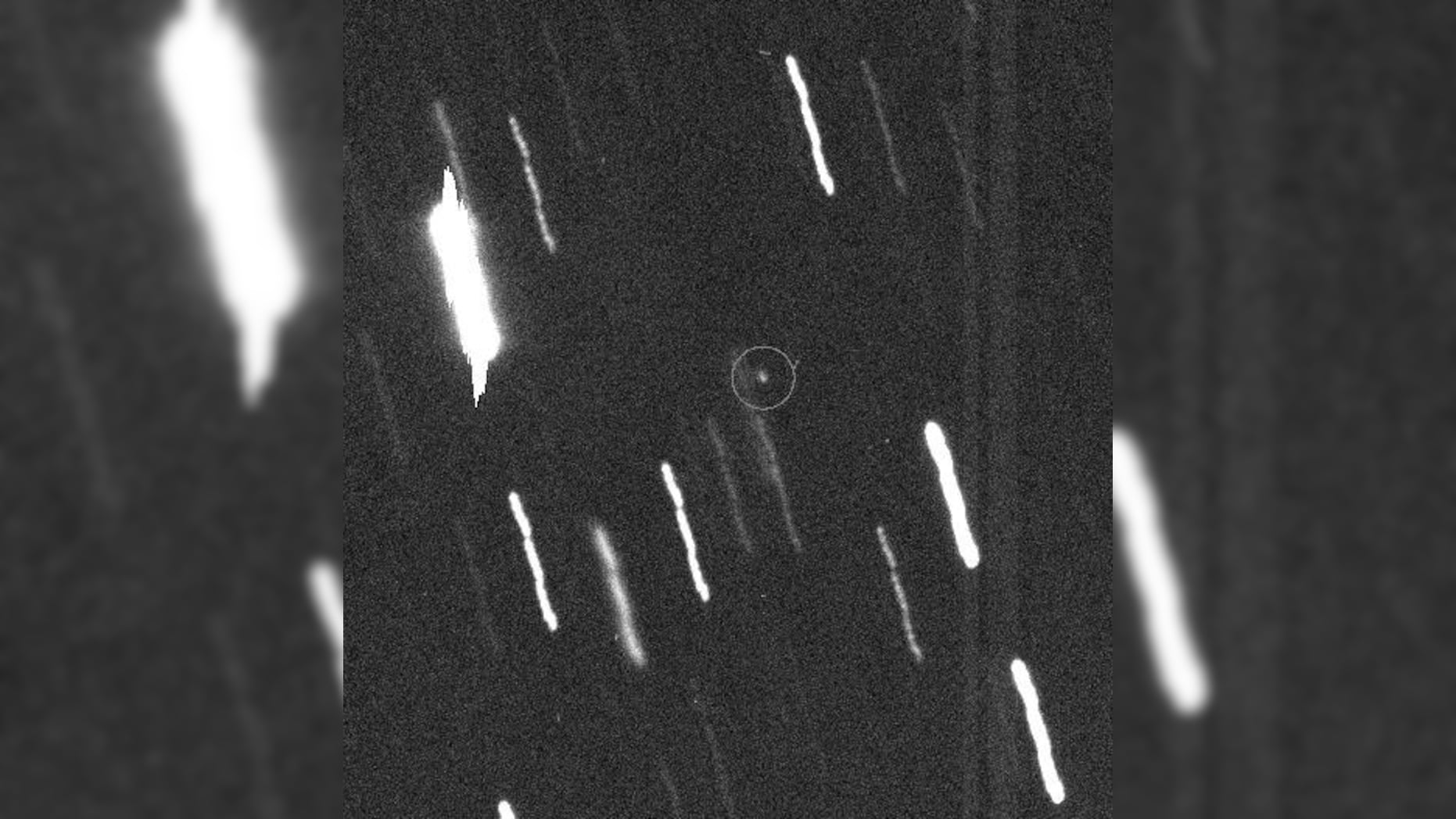
An asteroid that has been nicknamed after the Egyptian God of Chaos is speeding up, scientists recently revealed.

Continue reading “Apophis Asteroid, Nicknamed ‘God of Chaos,’ is Speeding Up”

Betelgeuse Is Neither as Far Nor as Large as We Thought

This is a direct copy of a SciPop or news article preserved here because things on the internet have a bad habit of disappearing when you try to find them again. Full credit is given to the original authors and the source.

– Matty

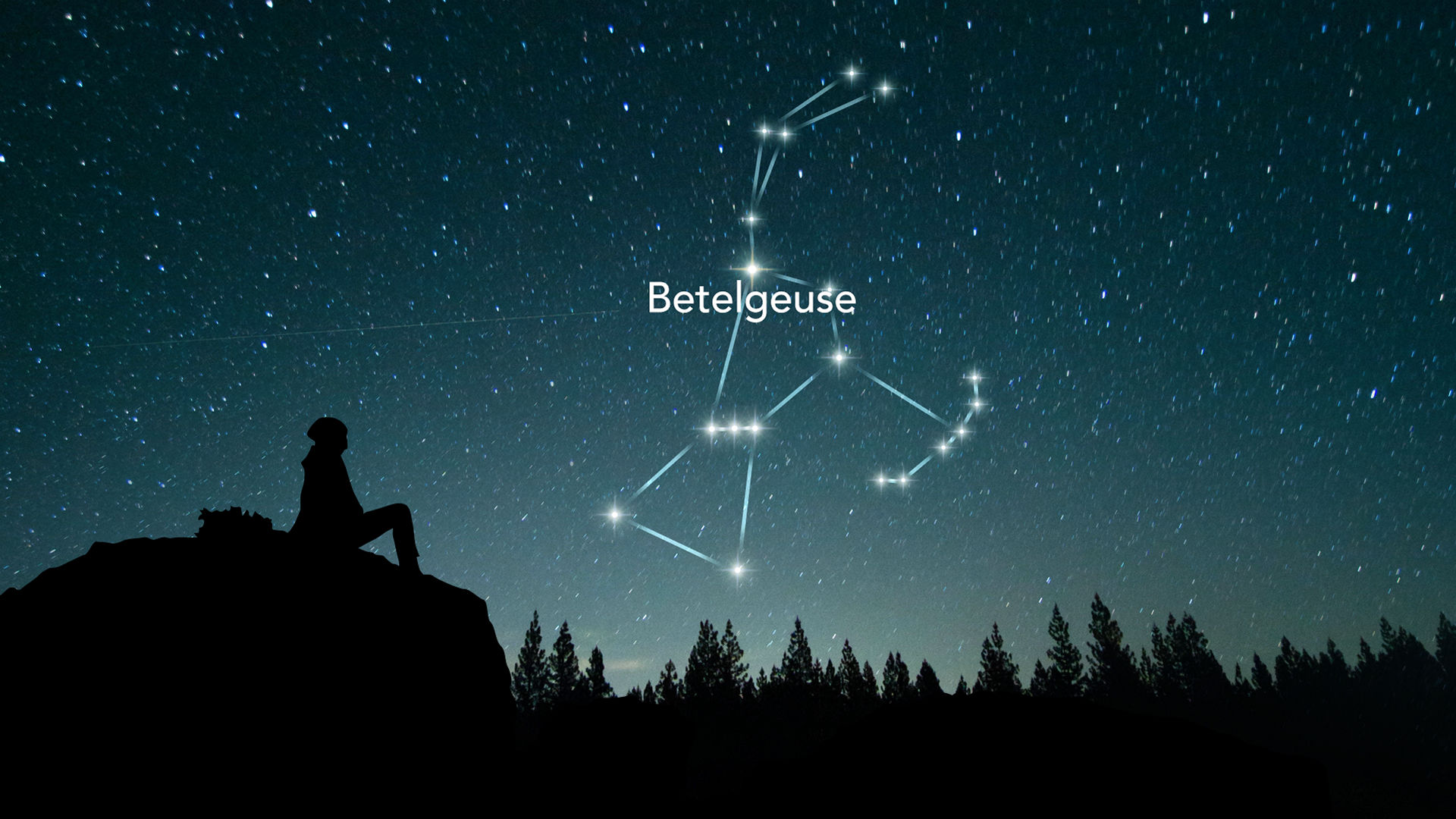
In the wake of recent fluctuations in Betelgeuse’s brightness, astronomers have rigorously examined the star’s vital statistics, and come up with a bit of a surprise.

Continue reading “Betelgeuse Is Neither as Far Nor as Large as We Thought”

Betelgeuse is 25 percent closer than scientists thought

This is a direct copy of a SciPop or news article preserved here because things on the internet have a bad habit of disappearing when you try to find them again. Full credit is given to the original authors and the source.

– Matty
  • Scientists studying the star Betelgeuse have determined that it’s actually roughly 25% closer than previous estimates.
  • The star is also slightly smaller than scientists assumed, though it still appears as though it’s reaching the end of its life.
  • The star poses no threat to Earth when it eventually blows up.
Continue reading “Betelgeuse is 25 percent closer than scientists thought”