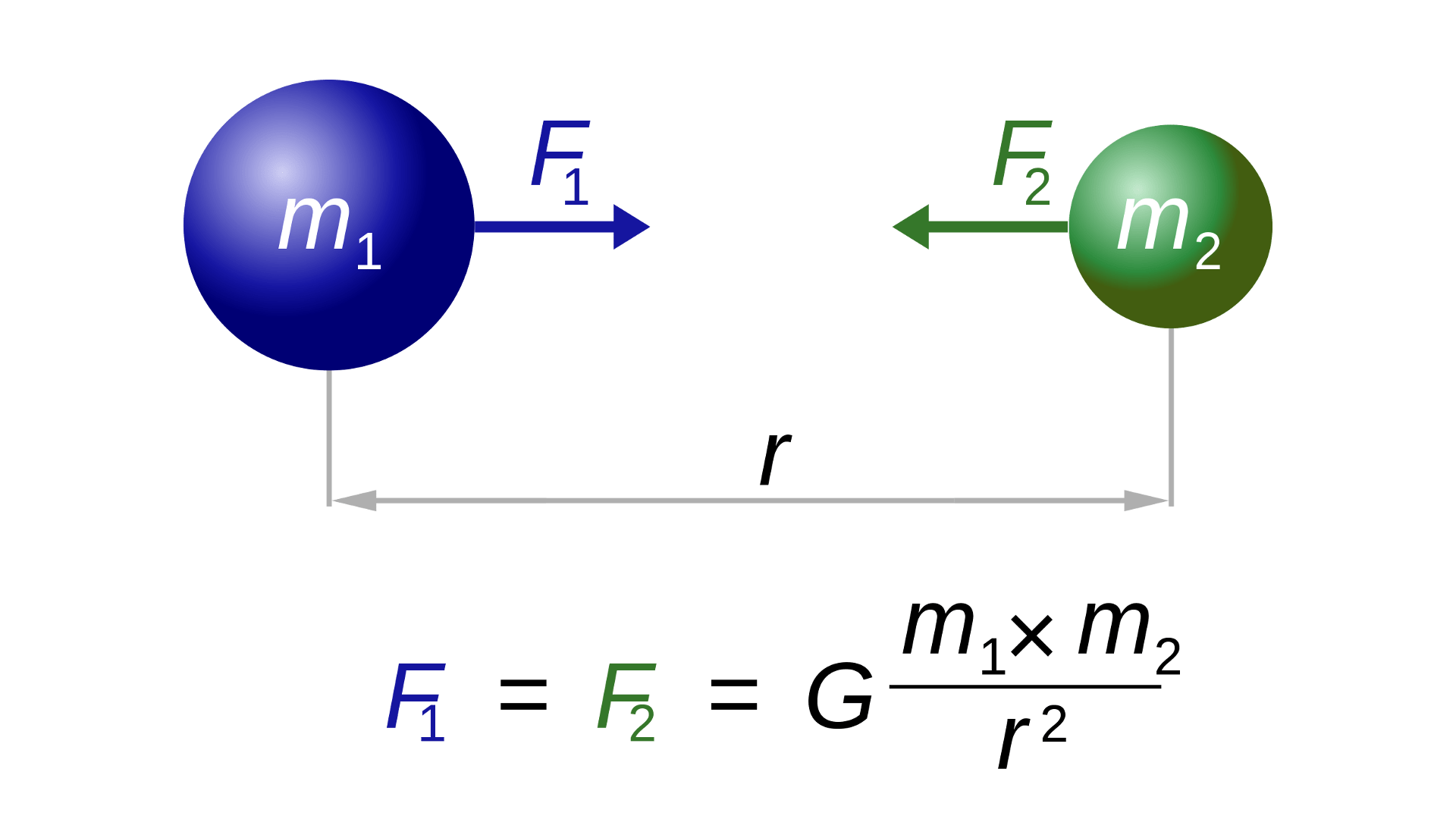
The Law of Universal Gravitation

O Timothy! Guard what was committed to your trust, avoiding the profane and idle babblings and contradictions of what is falsely called knowledge—by professing it some have strayed concerning the faith. Grace be with you. Amen.

(1 Timothy 6:20-21) NKJV

Physical laws describe broad classes of observations. They’re a summary of what we know. They don’t define the universe, they’re defined by the universe.

Continue reading “The Law of Universal Gravitation”

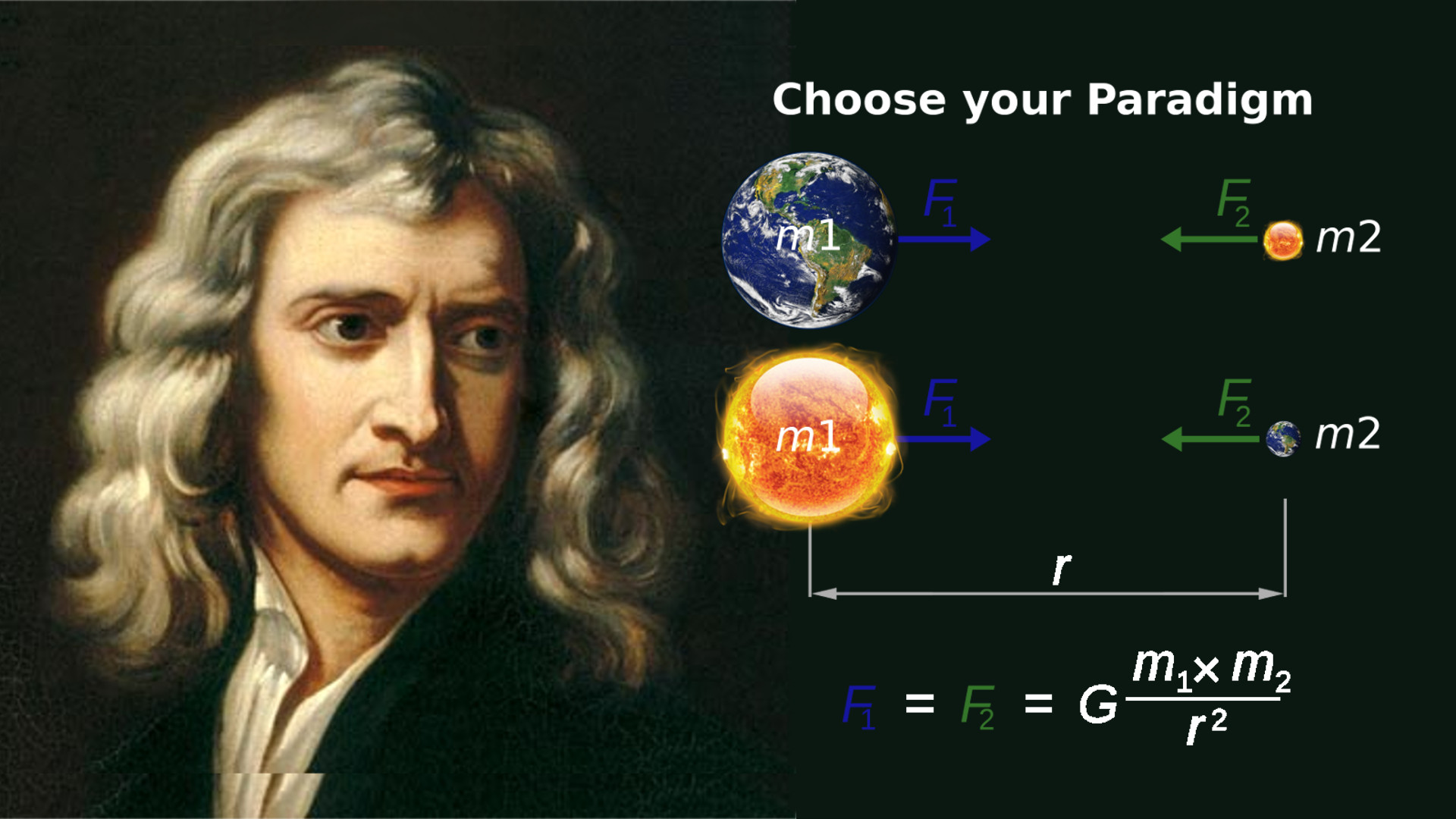
Sir Isaac Newton (1642-1726)

Quantities aren't really quantities, even if we give them names. Words define the thing, even though the thing may be unknown.

Thou art wearied in the multitude of thy counsels. Let now the astrologers, the stargazers, the monthly prognosticators, stand up, and save thee from these things that shall come upon thee.

(Isaiah 47:13) KJV

Newton’s bold guess was that gravity is a property of mass. However, the proportional relationship between mass and gravity only measures the observed effect of gravity, it doesn’t reveal its cause.

Continue reading “Sir Isaac Newton (1642-1726)”

A New Definition For Gravity

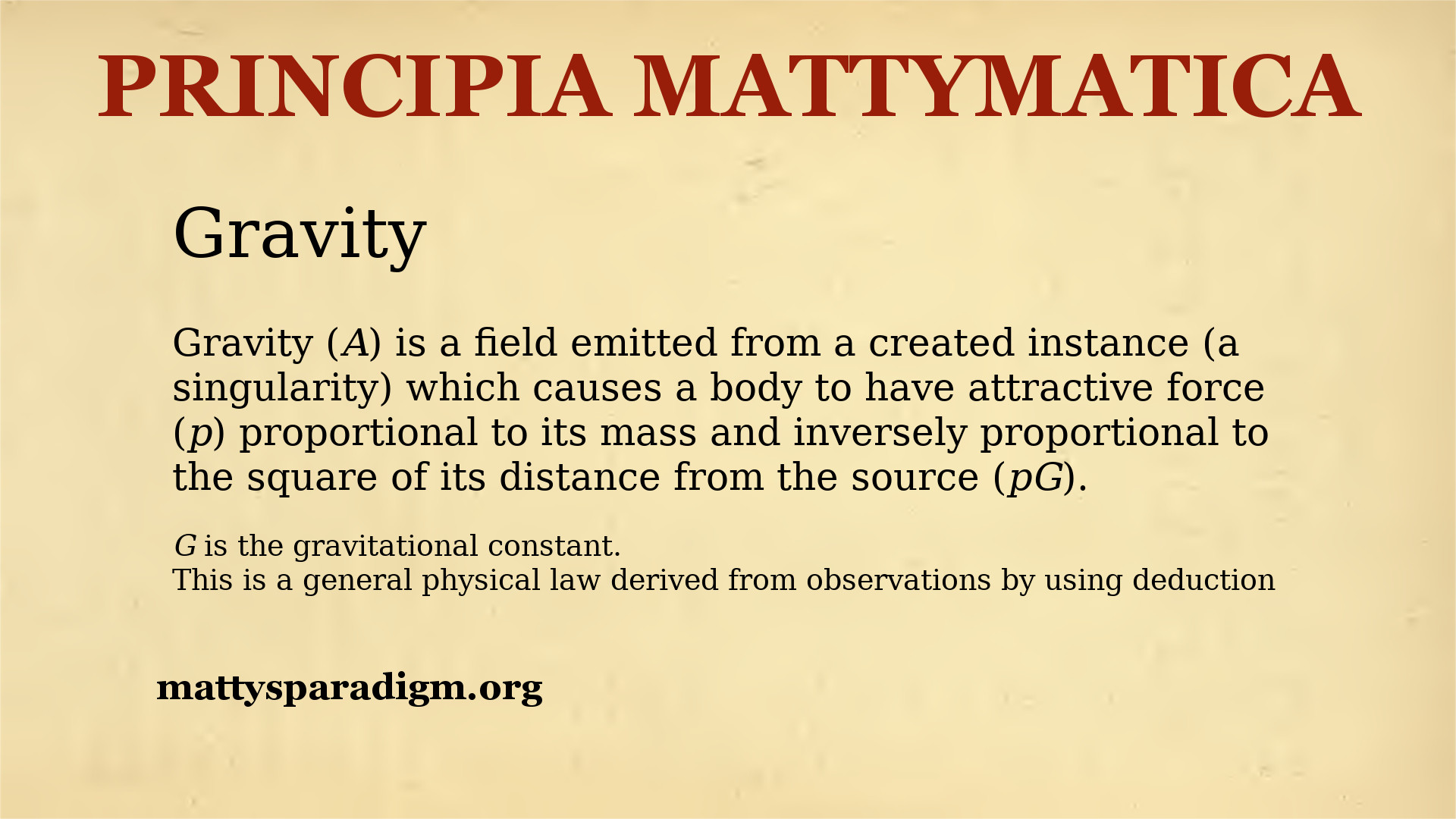
Gravity (A) is a field emitted from a created instance (a singularity) which causes a body to have attractive force (p) proportional to its mass and inversely proportional to the square of its distance from the source (pG).

Then said he unto them, Therefore every scribe which is instructed unto the kingdom of heaven is like unto a man that is an householder, which bringeth forth out of his treasure things new and old.

(Matthew 13:52) KJV

The attractive force of a body which we can measure isn’t a property of the body itself, it’s imparted to it because it’s in a gravitational field. This leads to a new definition for gravity which is axiomatic.

Continue reading “A New Definition For Gravity”