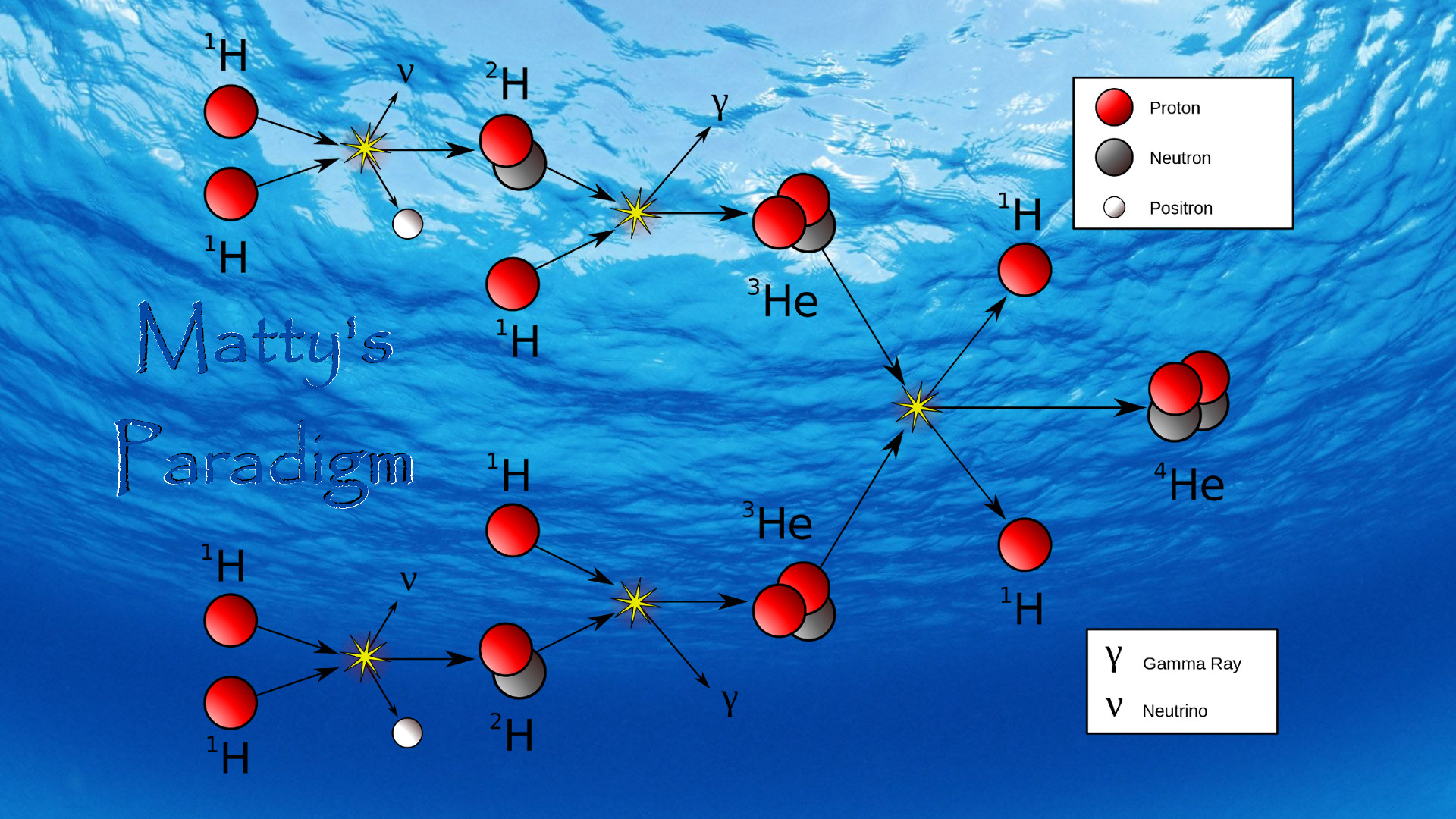
The Universe is Made From the Components of Water

The earth was without form, and void; and darkness was on the face of the deep. And the Spirit of God was hovering over the face of the waters. Then God said, “Let there be light”; and there was light.

(Genesis 1:2-3) NKJV

Axiom I is “The Universe is Made From the Components of Water.” We can deduce Principle I from the following physical evidence, empirical observations or established theories which are part of Axiom I.

Continue reading “The Universe is Made From the Components of Water”

A Horse, a Horse, My Kingdom for a Horse

In that day,” says the LORD, “I will strike every horse with confusion, and its rider with madness; I will open My eyes on the house of Judah, and will strike every horse of the peoples with blindness.

(Zechariah 12:4) NKJV

Something that we find interesting is: people who profess to be scientifically knowledgeable have hissy fits when they’re told that evolution is the process of genetic decay.

Continue reading “A Horse, a Horse, My Kingdom for a Horse”

Peleg’s Tectonics

To Eber were born two sons: the name of one was Peleg, for in his days the earth was divided; and his brother’s name was Joktan.

(1 Chronicles 1:19) NKJV

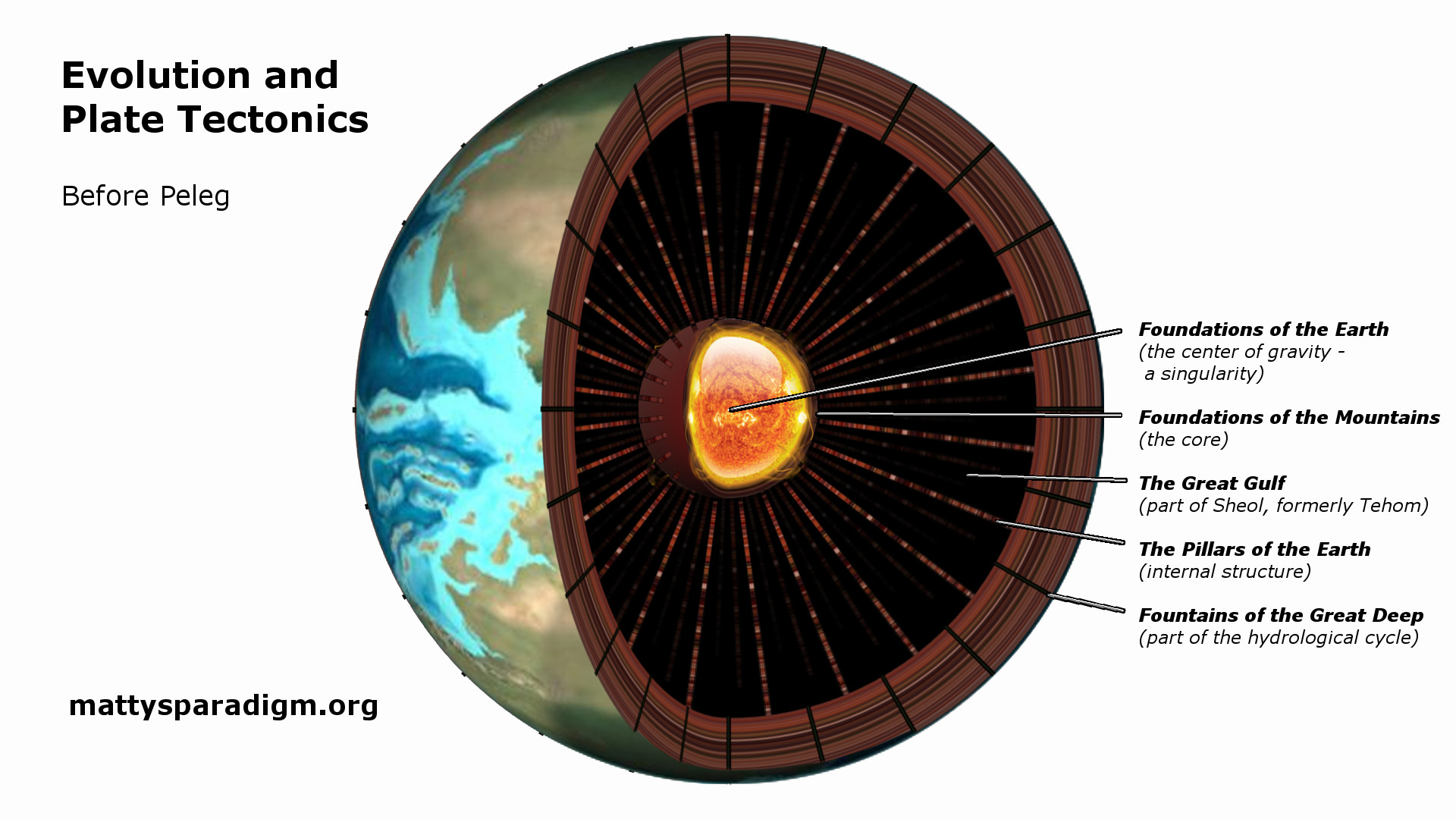
The expansion of hell, and the way that it’s melting the Earth from the inside out, melted the core of the Earth. The pillars of the Earth no longer had any support and the mantle of the Earth to collapse inward. This was on the day that Peleg was born.

Continue reading “Peleg’s Tectonics”

The Reptile-Mammal Transition

Who is the wise man, that may understand this? and who is he to whom the mouth of the LORD hath spoken, that he may declare it, for what the land perisheth and is burned up like a wilderness, that none passeth through?

(Jeremiah 9:12) KJV

The reptile-mammal transition is abiogenesis not evolution. It’s evidence that God created in a systematic manner of increasing complexity.

Continue reading “The Reptile-Mammal Transition”

Helical Helios

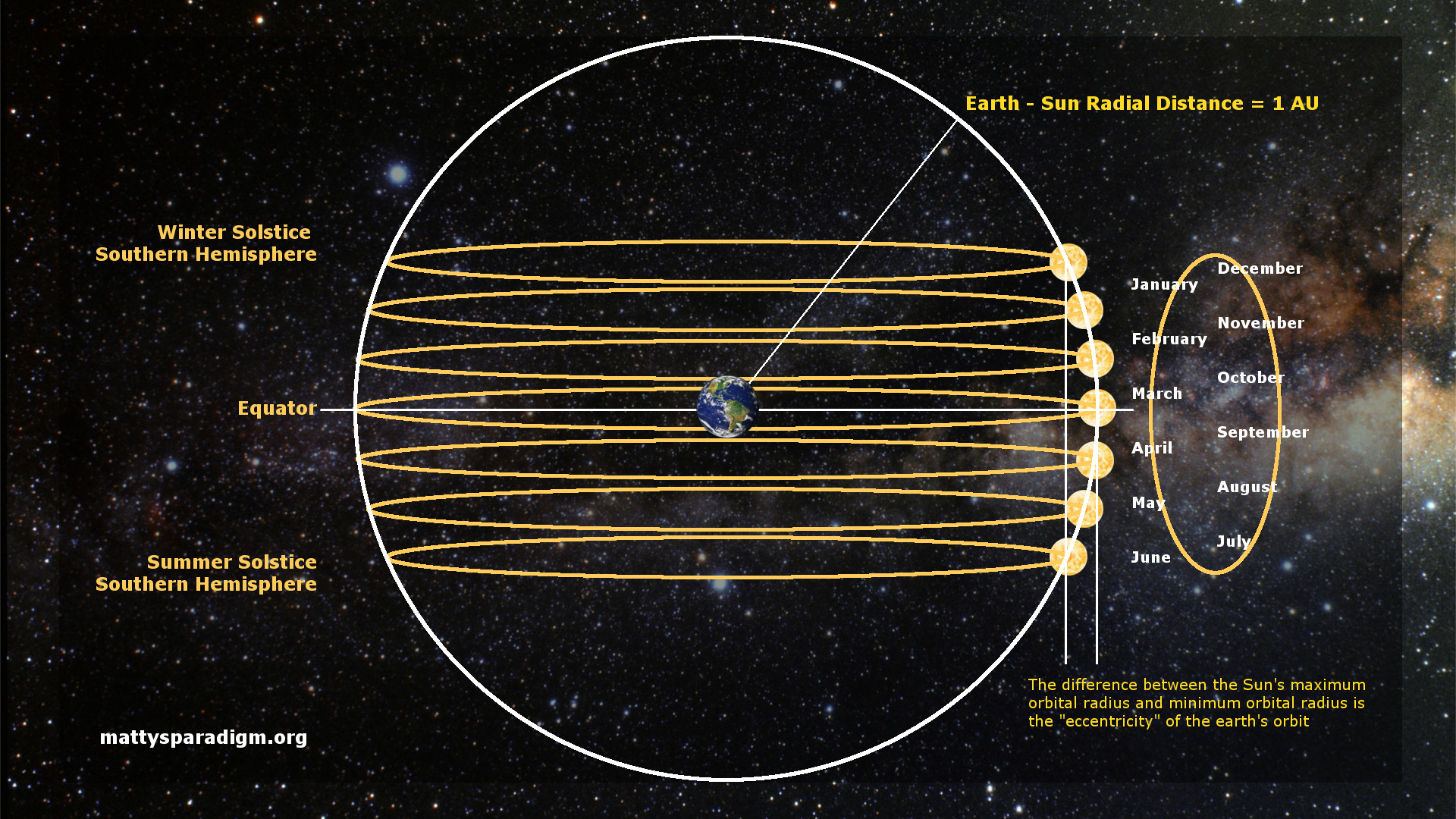
Earth-sun radial distance vs. the Sun's orbital radius.

Let us acknowledge the LORD; let us press on to acknowledge him. As surely as the sun rises, he will appear; he will come to us like the winter rains, like the spring rains that water the earth.”

(Hosea 6:3) NIV

The sun orbits the Earth in a helical spiral. The sun is called Helios in Greek. Either the sun is called Helios because it has a helical orbit, or helices are called helices because they mimic the motion of the sun – Helios.

Continue reading “Helical Helios”

Betelgeuse Is Neither as Far Nor as Large as We Thought

This is a direct copy of a SciPop or news article preserved here because things on the internet have a bad habit of disappearing when you try to find them again. Full credit is given to the original authors and the source.

– Matty

In the wake of recent fluctuations in Betelgeuse’s brightness, astronomers have rigorously examined the star’s vital statistics, and come up with a bit of a surprise.

Continue reading “Betelgeuse Is Neither as Far Nor as Large as We Thought”

Betelgeuse is 25 percent closer than scientists thought

This is a direct copy of a SciPop or news article preserved here because things on the internet have a bad habit of disappearing when you try to find them again. Full credit is given to the original authors and the source.

– Matty
  • Scientists studying the star Betelgeuse have determined that it’s actually roughly 25% closer than previous estimates.
  • The star is also slightly smaller than scientists assumed, though it still appears as though it’s reaching the end of its life.
  • The star poses no threat to Earth when it eventually blows up.
Continue reading “Betelgeuse is 25 percent closer than scientists thought”

Betelgeuse, Betelgeuse, Betelgeuse

Casting down imaginations, and every high thing that exalteth itself against the knowledge of God, and bringing into captivity every thought to the obedience of Christ.

(2 Corinthians 2:10) KJV

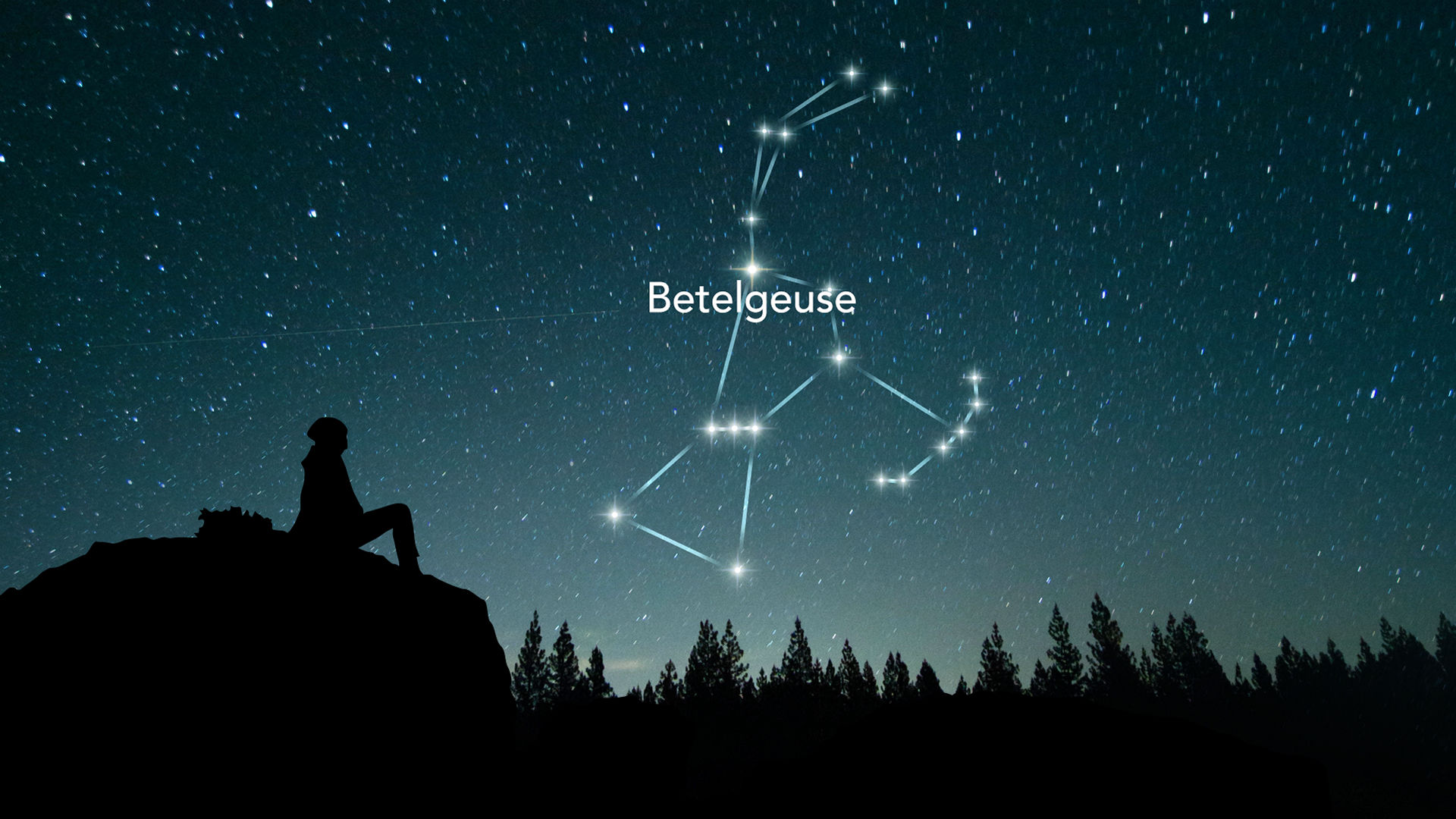
Objects in space may be closer than they appear. Betelgeuse isn’t only around 25% closer to Earth than previously thought, but it’s also considerably smaller. Those aren’t our words, they’re from the popular science press (SciPop).

Continue reading “Betelgeuse, Betelgeuse, Betelgeuse”