Read original article here.
Researchers have found that mile-high mounds in Mars were created by strong winds and climate change.
Because of climate change, water on Mars dried up and allowed massive winds to carve out large mounds over a billion years, according to University of Texas researchers. The process highlighted the role of wind in creating the landscape of the red planet.
“On Mars there are no
plate-tectonics, and there’s no liquid water, so you don’t have anything
to overprint that signature and over billions of years you get these
mounds, which speaks to how much geomorphic change you can really
instigate with just wind,” said graduate student Mackenzie Day of the University of Texas at Austin Jackson School of Geosciences.
She said that the process is something that cannot occur on Earth because of other processes that overpower wind.
“Wind could never do this on Earth because water acts so much faster, and tectonics act so much faster,” Day explained.
The research was conducted in association with researchers David Mohrig and Gary Kocurek, also of the Jackson School of Geosciences, and William Anderson of the Department of Mechanical Engineering, University of Texas at Dallas. The study was publshed in the American Geophysical Union journal Geophysical Research Letters on March 31.
The
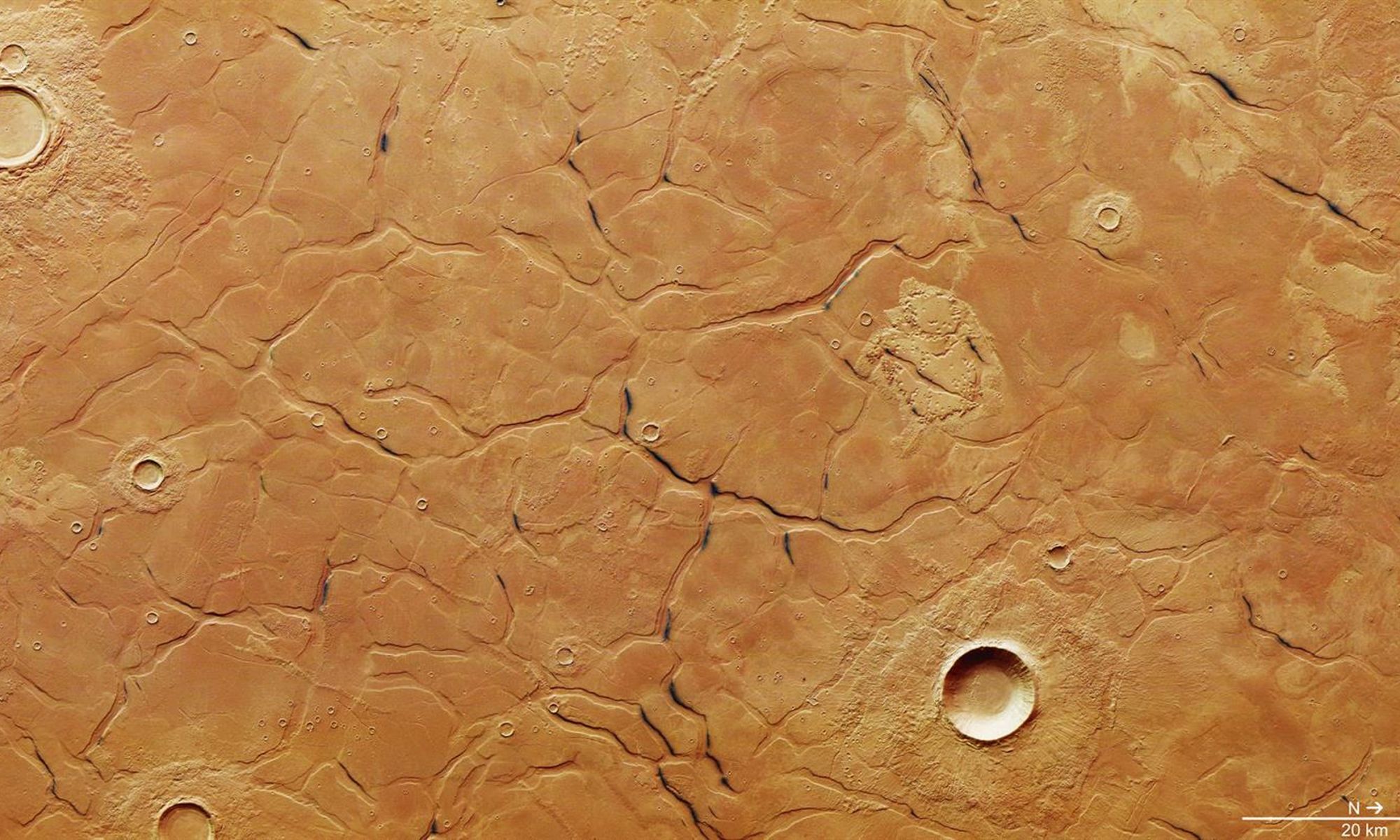
mounds, first observed in the 1970s during NASA’s Viking program, were
found to be at the bottom of Mars’ craters. An additional investigation
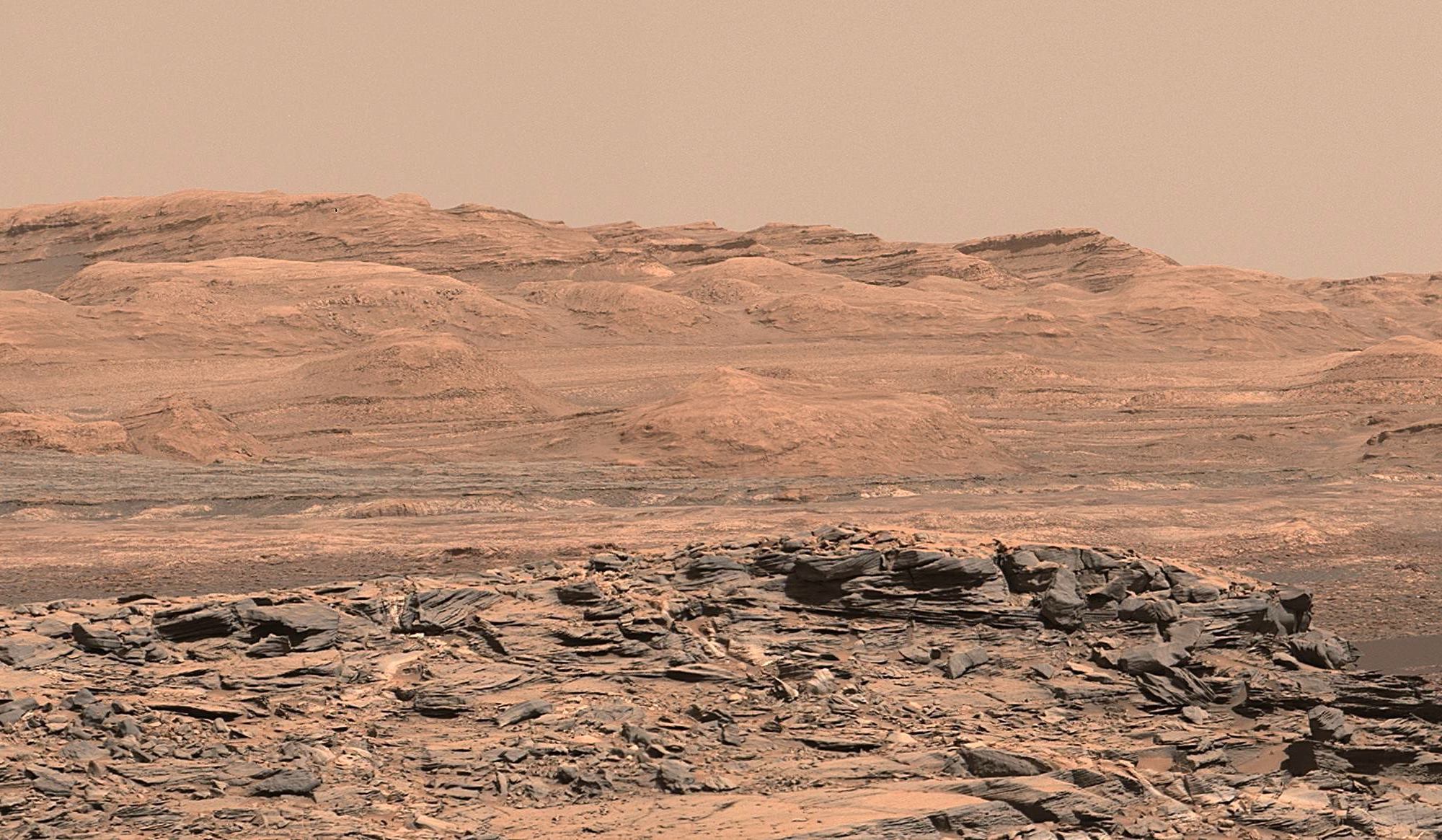
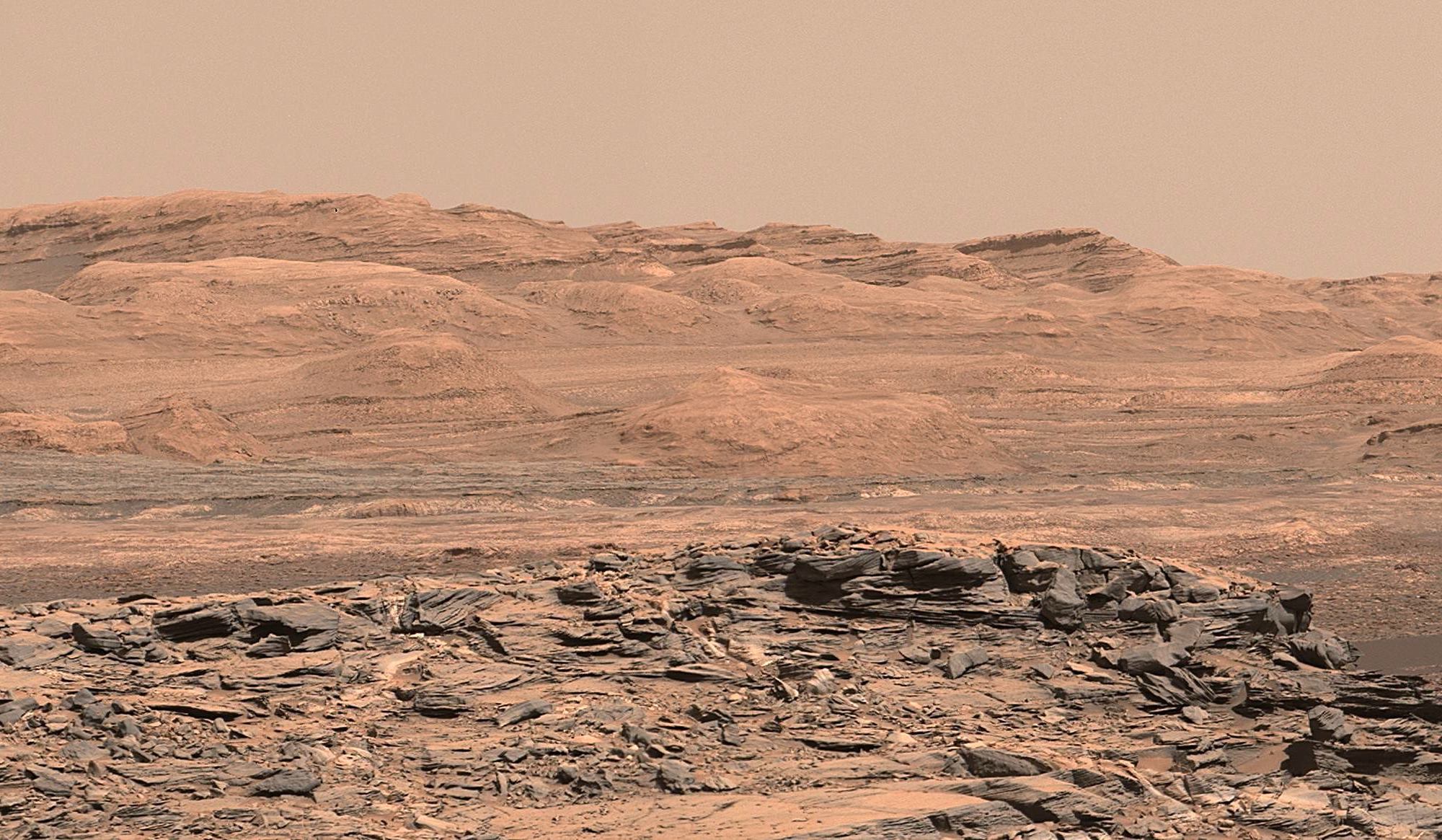
by the Curiosity rover of Mount Sharp inside the Gale Crater showed the
mounds were more than 3 miles high.
Layered sedimentary rocks make
up the thickest part of the mounds, with the bottom parts showing
sediments brought by water that was previously present in the crater.
The top part is made up of sediments carried by wind.
The
researchers are clueless about the how the mile-high mounds were able to
form inside the craters considering that these were once filled with
sediments. However, they are positive that they will be able to figure
out the wind dynamics that made it possible.
To find out if wind
could indeed form a mound, the research team created a model crater that
measured 30 centimeters (11.8 inches) in width and 4 centimeters (1.5
inches) high and filled it with damp sand. They then placed the
miniature crater in a wind tunnel and observed the movement of the sand.
The
elevation and distribution of the sand were carefully monitored until
all of it was blown away. The erosion present in the miniature crater’s
sediment was found to be similar with those seen in the Martian craters.
The erosion also created a moat shaped like a crescent that widened and
deepened around the crater’s edge.
To get a better understanding
of the wind dynamics, the study authors built a computer model that
replicated the flow of wind at different phases of erosion.
The
mound’s composition – bottom created during a wet period, and top
created and mound shaped during a dry period – significantly helps in
establishing the effects of climate change on Mars, Kocurek said.
“Overall,
we are seeing the complete remaking of the sedimentary cycle on Mars to
the one that characterizes the planet today,” Kocurek said.
By
studying the location of more than 30 mounds and identifying them to be
only present on terrain during the Noachian period, a geological era
about 3.7 billion years ago, the researchers concluded that it was
during this period that Mars shifted from a wet planet to a dry one.
To
compare, they examined five examples of mounds in craters formed during
Mars’ Amazonian period. The deposits were not similar with the
sedimentary deposits, which means the erosion came from a recent
activity.
The study showed that global climate change and strong winds, not some alien like the alleged giant mouse, caused the mounds on the Martian surface.


 Matty (Headwind)