Angiosperms Rise to Dominance

He produced manuals on botany, describing every kind of plant, from the cedars of Lebanon to the hyssop that grows on walls. He also produced manuals on biology, describing animals, birds, insects, and fish.

(1 Kings 4:33) NET Bible

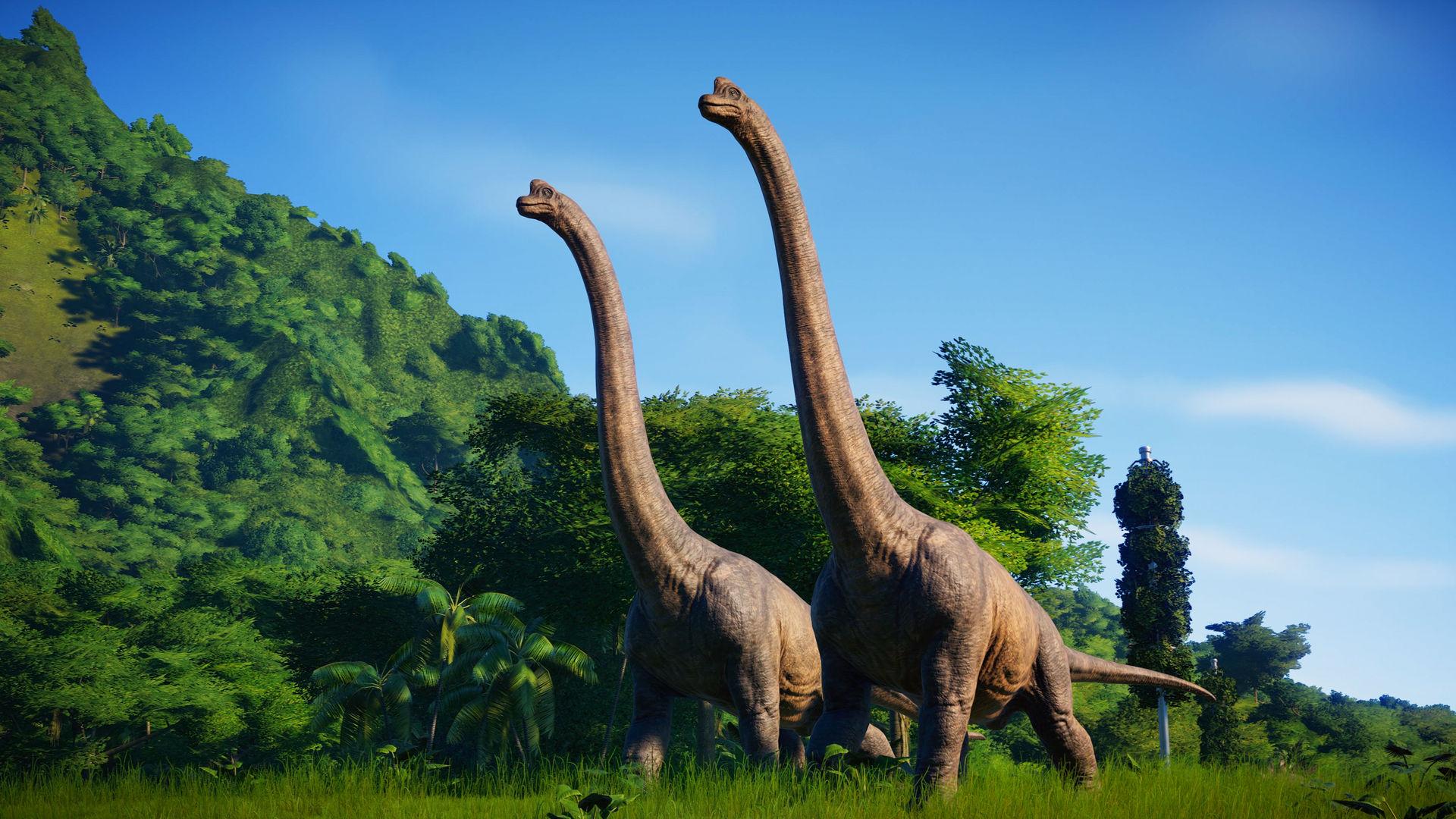
This is narrative that’s designed to establish the evolution premise that the Angiosperms are the most developmentally advanced kinds of plants, and so therefore have the most recent origin.

Continue reading “Angiosperms Rise to Dominance”
Rise of Higher Insects and Birds

Indeed the cypress trees rejoice over you, And the cedars of Lebanon, Saying, ‘Since you were cut down, No woodsman has come up against us.’

(Isaiah 14:8) NKJV

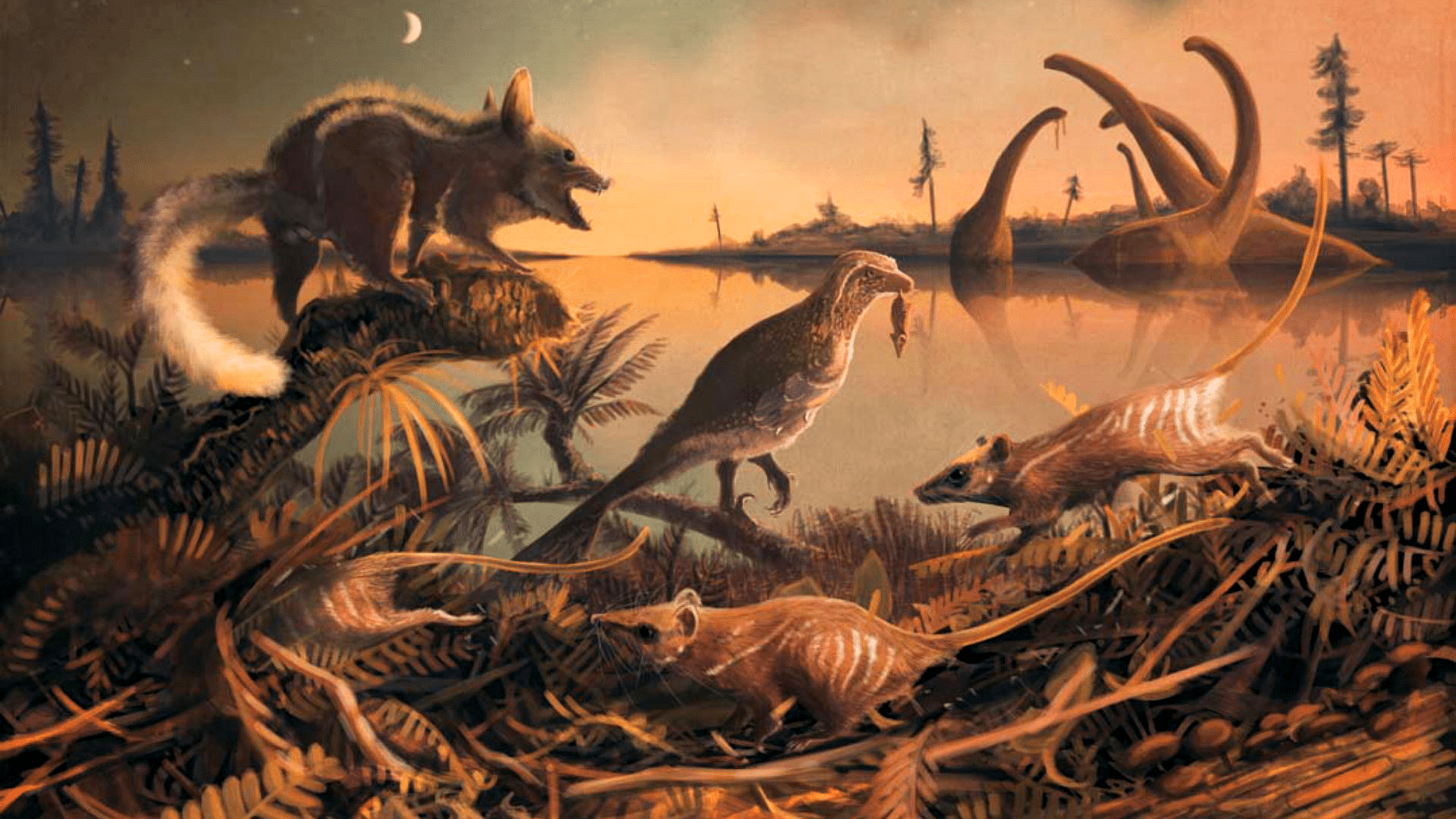
Rise of higher insects and birds” is an example of Paleodoublespeak. Jurassic sediment contains the preserved remains of dead insects and birds. That’s not evidence of their rise. It’s evidence of their extinction.

Continue reading “Rise of Higher Insects and Birds”

The Origin of Abundant Diversification

Woe to those who call evil good, and good evil; Who put darkness for light, and light for darkness; Who put bitter for sweet, and sweet for bitter!

(Isaiah 5:20) NKJV

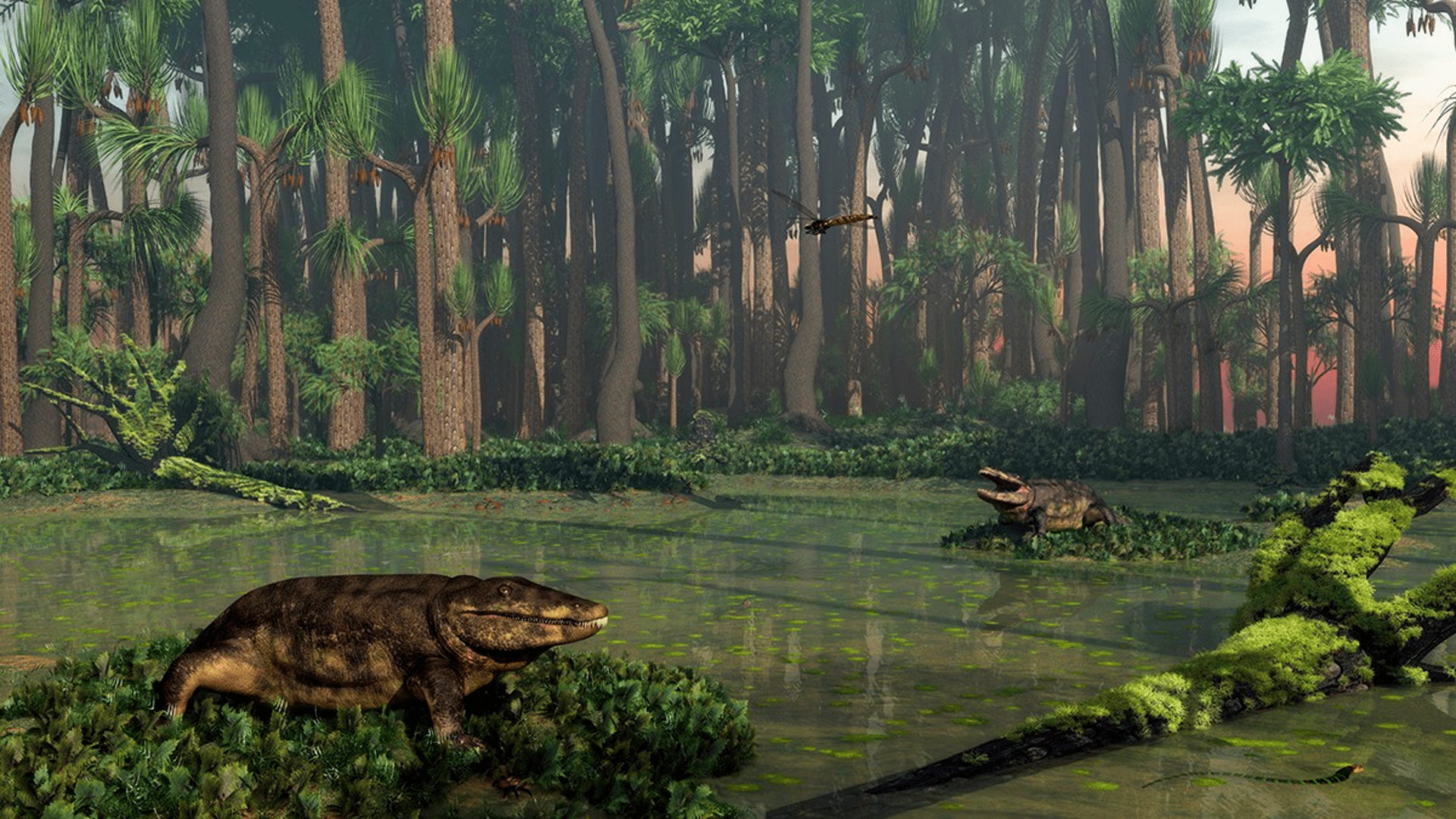
Origin of reptiles, diversification of amphibians. Insects abundant.” Here we can see how doublespeak is used to establish the premise that the evolution narrative envisions the development from simple to complex.

Continue reading “The Origin of Abundant Diversification”

Mosses, Lycopods, Sphenopsids

So the Light of Israel will be for a fire, And his Holy One for a flame; It will burn and devour His thorns and his briers in one day. And it will consume the glory of his forest and of his fruitful field, Both soul and body; And they will be as when a sick man wastes away.

(Isaiah 10:17-18) NKJV

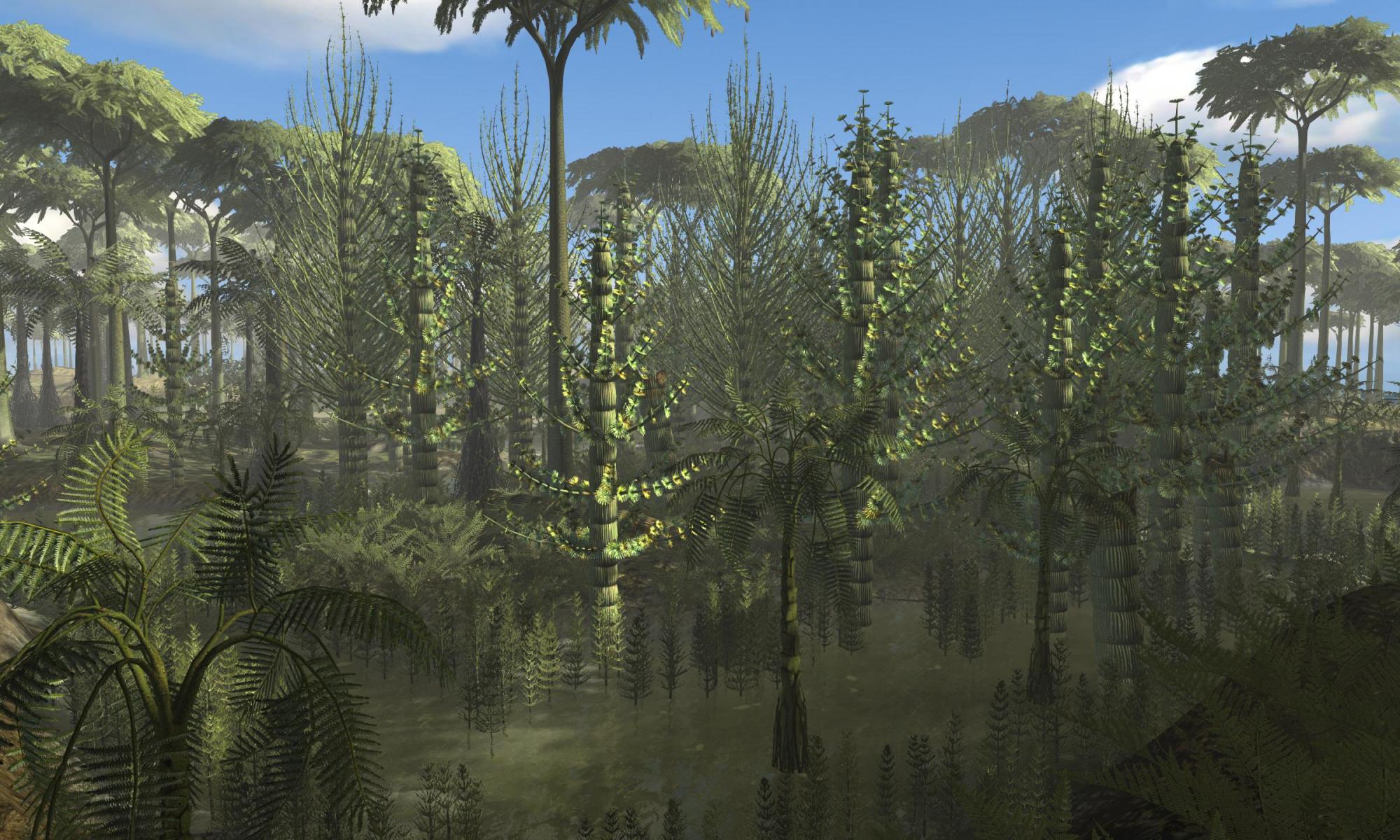
Mosses, lycopods, sphenopsids, ferns, seed ferns and cordaites.” The next part of the description we have of the Pennsylvanian is a laundry list of plant kinds which sounds like an ecosystem or habitat, not a period of time.

Continue reading “Mosses, Lycopods, Sphenopsids”