

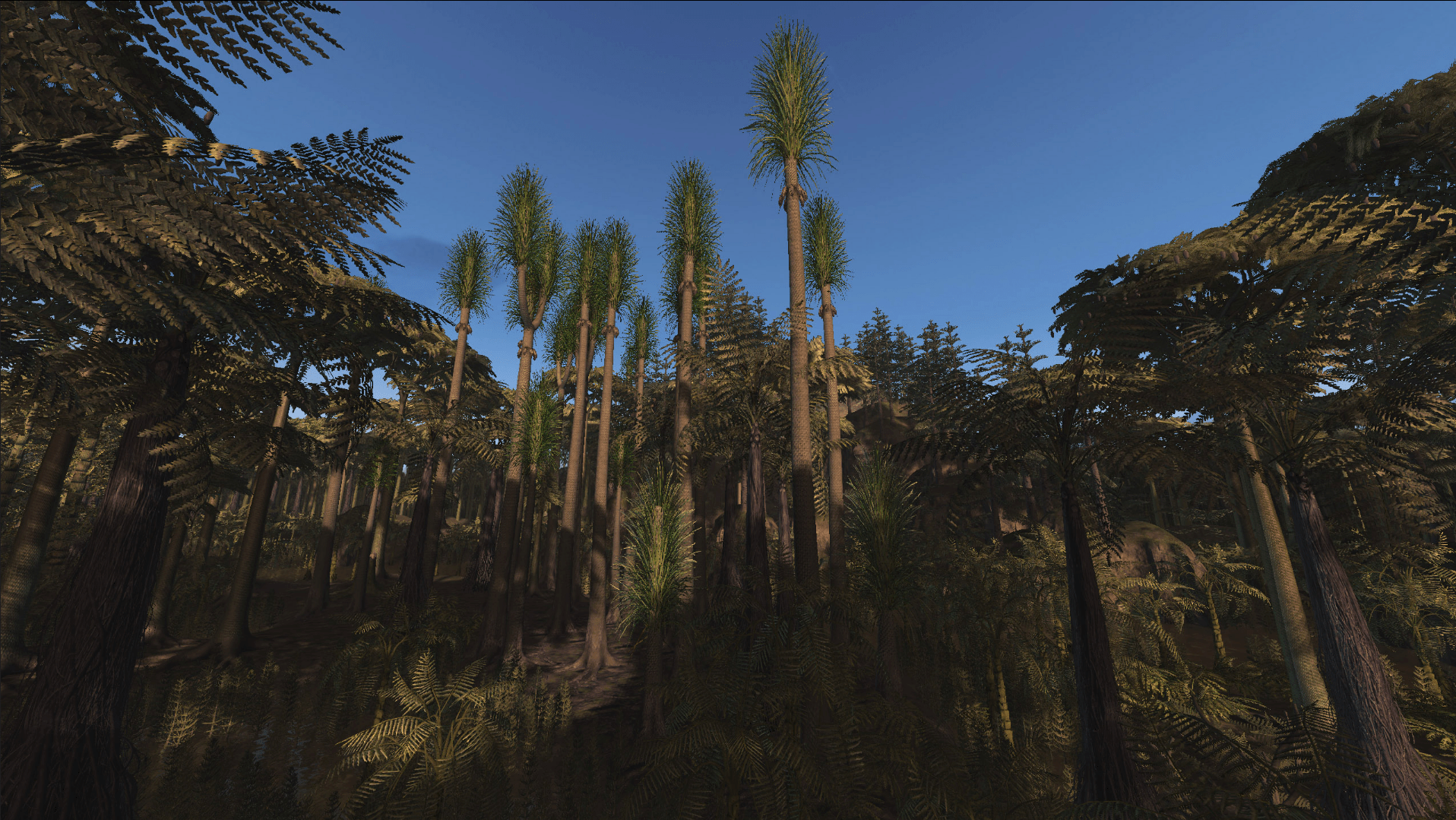
Mississippian
Woe unto them that call evil good, and good evil; that put darkness for light, and light for darkness; that put bitter for sweet, and sweet for bitter!
(Isaiah 5:20) KJV
If we examine the evidence we can’t avoid the obvious conclusion that Mississippian sediments are the remains of an ecosystem which was buried in a flood.
Paleobotany and the evolution of plants
We’re studying the periods of geological history as described by Wilson N. Stewart.
This was the text book we used in grad school when we studied for a masters of science in Biology.
MISSISSIPPIAN
Wilson N. Stewart, Paleobotany and the evolution of plants.
Warm, equable climate. Continued inundation of low-lying continents and their synclines. Primitive ferns, seed ferns, arborescent lycopods, and calamites associated with extensive swamps in lowlands. Spread of amphibians, sharks and bony fish. Insects evolved wings.
Once again the popular science narrative of godless existence (SciPop) was the premise used to induce a rationalization of evidence, but it’s not the cause of the evidence.
Isaiah warns of woe to people who turn meanings upside down: who call evil good; put darkness for light; bitter for sweet; or say that the sediment from Noah’s flood took millions of years to accumulate.
Mississippian – Navigation
| Section | Title | Scripture |
| 1 | Mississippian | Isaiah 5:20 |
| 2 | Warm, Equable Climate Again | Genesis 7:17 |
| 3 | Continued Inundation of Low-lying Continents | Genesis 7:24 |
| 4 | Extensive Swamps in Lowlands | Ezekiel 47:10-11 |
| 5 | Spread of Amphibians | Isaiah 30:10 |
| 6 | Sharks and Bony Fish | Genesis 1:21-22 |
| 7 | Insects Evolved Wings | Psalms 148:7-12 |
| 8 | How to Fly | (Further reading) |
| Salvation | Romans 10:9-10 |
 Matty (Headwind)