

- C. J. Orth, M. Attrep Jr., X. Y. Mao, E. G. Kauffman, R. Diner, W. P. Elder
- First published: April 1988 https://doi.org/10.1029/GL015i004p00346 Citations: 28
- Abstract
Two iridium abundance peaks, both 0.11 ppb (whole‐rock basis) over local background of 0.017 ppb, have been found in Middle Cretaceous marine rocks near Pueblo, Colorado. They occur just below the 92‐million‐year‐old Cenomanian‐Turonian (C‐T) stage boundary.
No other peaks were found in 45 meters of strata (∼2.5 million years of deposition) above and below the boundary interval. The broad lower peak straddles the first in a series of extinctions of benthic and nektonic macro biota which comprise the C‐T extinction event. The sharp upper peak occurs stratigraphically about 1.2 meters above the lower peak. The excess Ir might be from meteoroid impacts although no microspherules or shocked‐mineral grains have yet been found and several elements not normally associated with meteorites (Sc, Ti, and Mn) are enriched at the Ir peaks. Alternatively, several terrestrial Ir enrichment processes are suggested.

How do we prove that nuclear decay has always been constant? We can’t.
– Navigate below
Cenomanian-Turonian – Navigation
| Section | Title | Scripture |
| 1 | Cenomanian-Turonian | Genesis 7:21-24 |
| Iridium abundance maxima… | (Further reading) | |
| 2 | A World-wide Anoxic Event | 1 Peter 3:18-20 |
| 3 | Hypothesis 20 | 1 Timothy 6:20 |
| The Theory of Noah’s Flood | Ezekiel 14:12-14 | |
| 4 | A Tribulation Anoxic Event | Revelation 8:8-9 |
| Salvation | Romans 10:9-10 |

August 20th – Cenomanian-Turonian
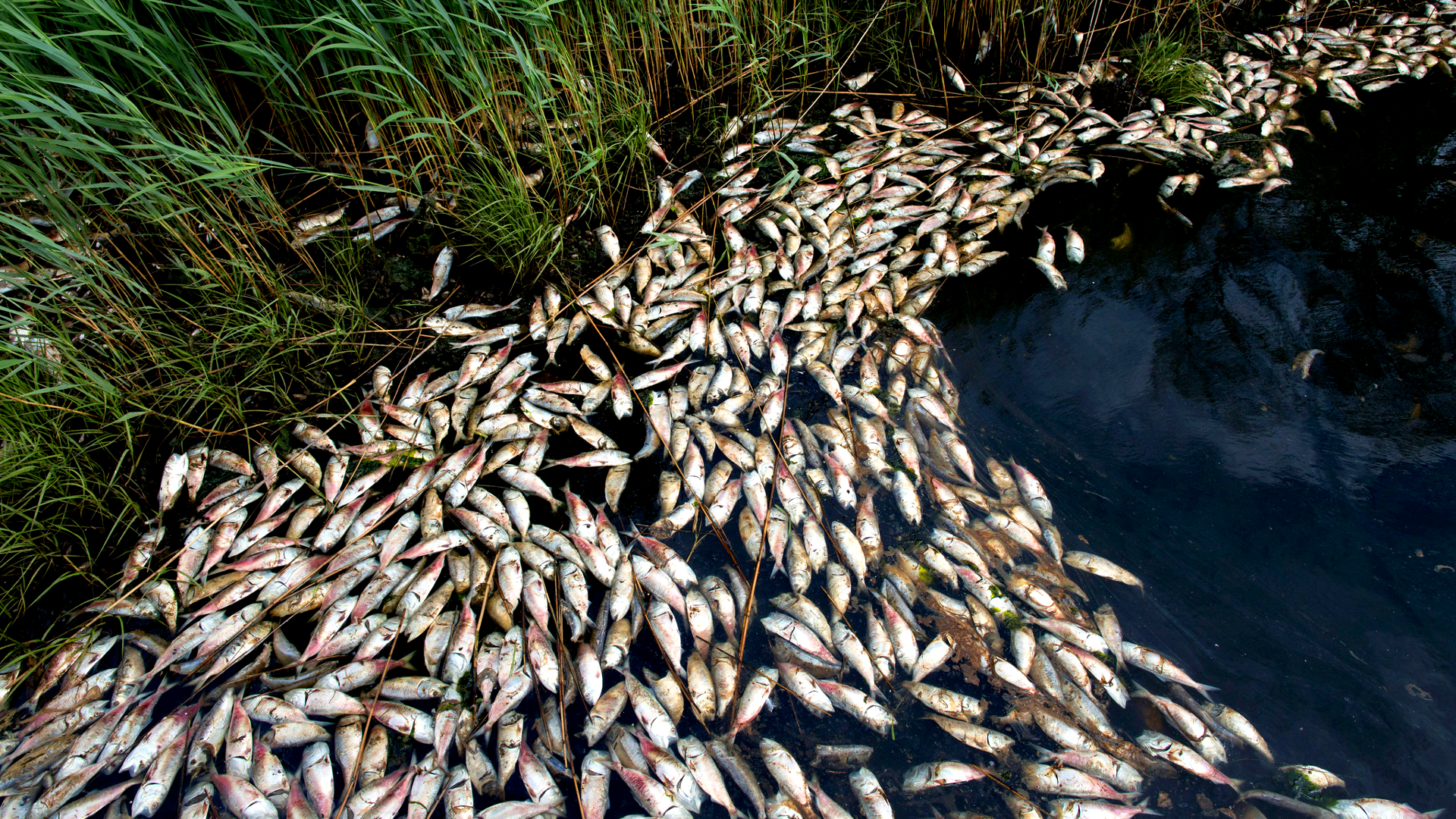
A world-wide anoxic extinction event above the Cretaceous/Tertiary boundary is a logical outcome of the worlds ecosystems decomposing in the waters of Noah’s flood.
 Matty (Headwind)