May 20th

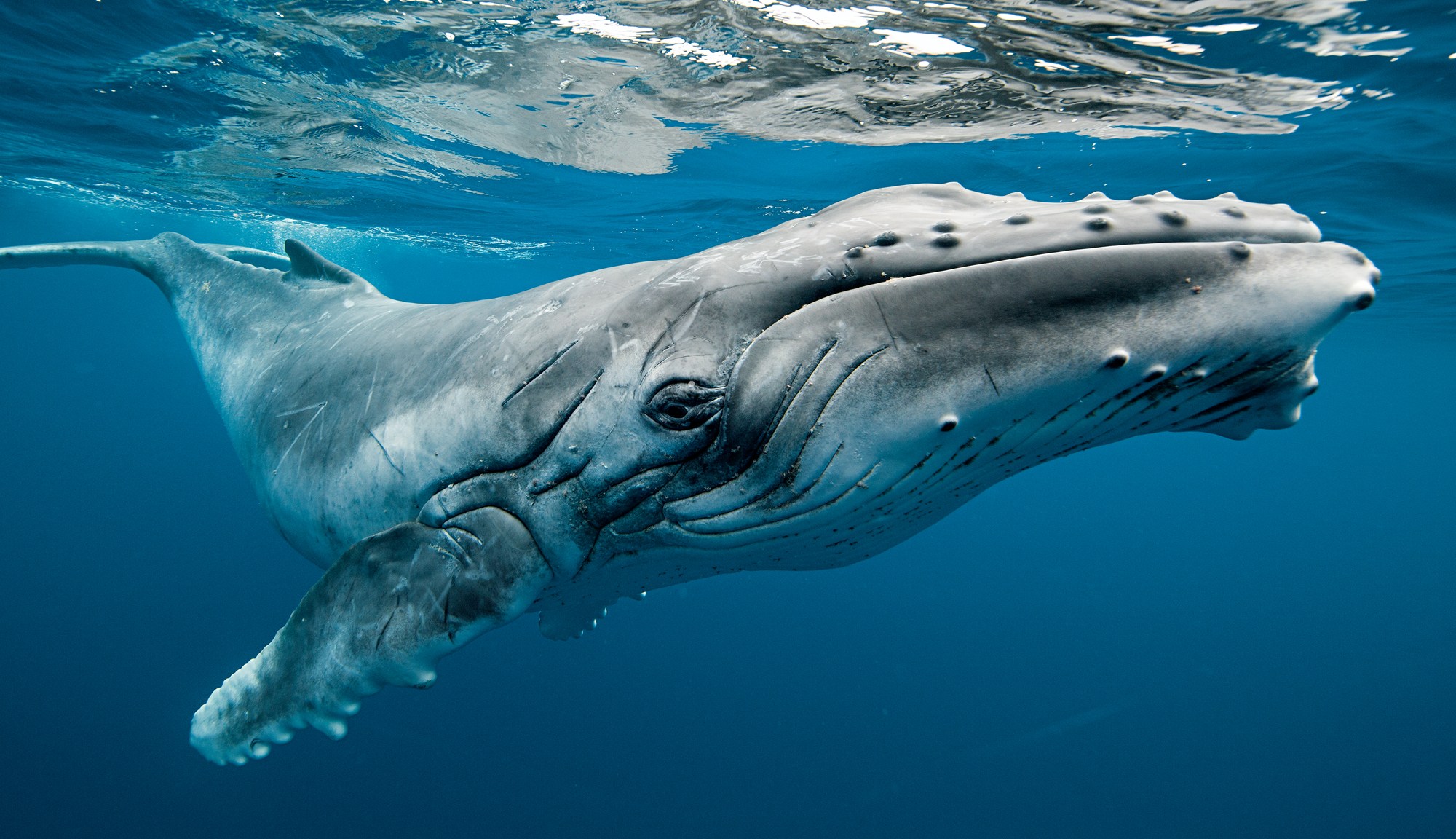
Fish Or Whale?

Now the LORD had prepared a great fish to swallow up Jonah. And Jonah was in the belly of the fish three days and three nights.

(Jonah 1:17) KJV

For as Jonas was three days and three nights in the whale’s belly; so shall the Son of man be three days and three nights in the heart of the earth,

(Matthew 12:40) KJV

In spherogenetic systematics Fish is a higher rank than Whale. The fish of the sea is everything created in the hydrosphere. Whale is a subcategory. The thing that swallowed Jonah was both a fish and a whale.

Continue reading “May 20th”
May 19th

Great Whales

And God created great whales, and every living creature that moveth, which the waters brought forth abundantly, after their kind, and every winged fowl after his kind: and God saw that it was good.

(Genesis 1:21) KJV

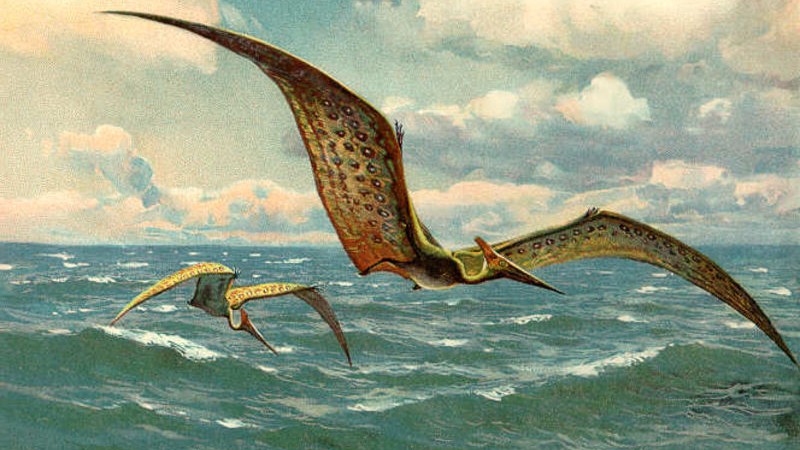
The reptile/mammal transition isn’t evolution, there’s no passage of heritable traits from generation to generation, it’s abiogenesis. It illustrates the use of spherogenetic systematics as a deductive tool.

Continue reading “May 19th”

May 7th

Synapomorphy or Sinapomorphy?

Wherefore, as by one man sin entered into the world, and death by sin; and so death passed upon all men, for that all have sinned:

(Romans 5:12) KJV

Given that synapomorphies only occur after the process of evolution has started, and evolution is a consequence of sin, it’s appropriate to change the spelling of synapomorphy to sinapomorphy.

Continue reading “May 7th”

Primitive or Advanced?

Stand fast therefore in the liberty wherewith Christ hath made us free, and be not entangled again with the yoke of bondage.

(Galatians 5:1) KJV

Cladistic phylogenetic analysis works by grouping species based on shared derived characteristics (synapomorphies). All of the members of a homologous group have a common ancestor. In this way it’s possible to develop a phylogenetic tree.

Continue reading “Primitive or Advanced?”