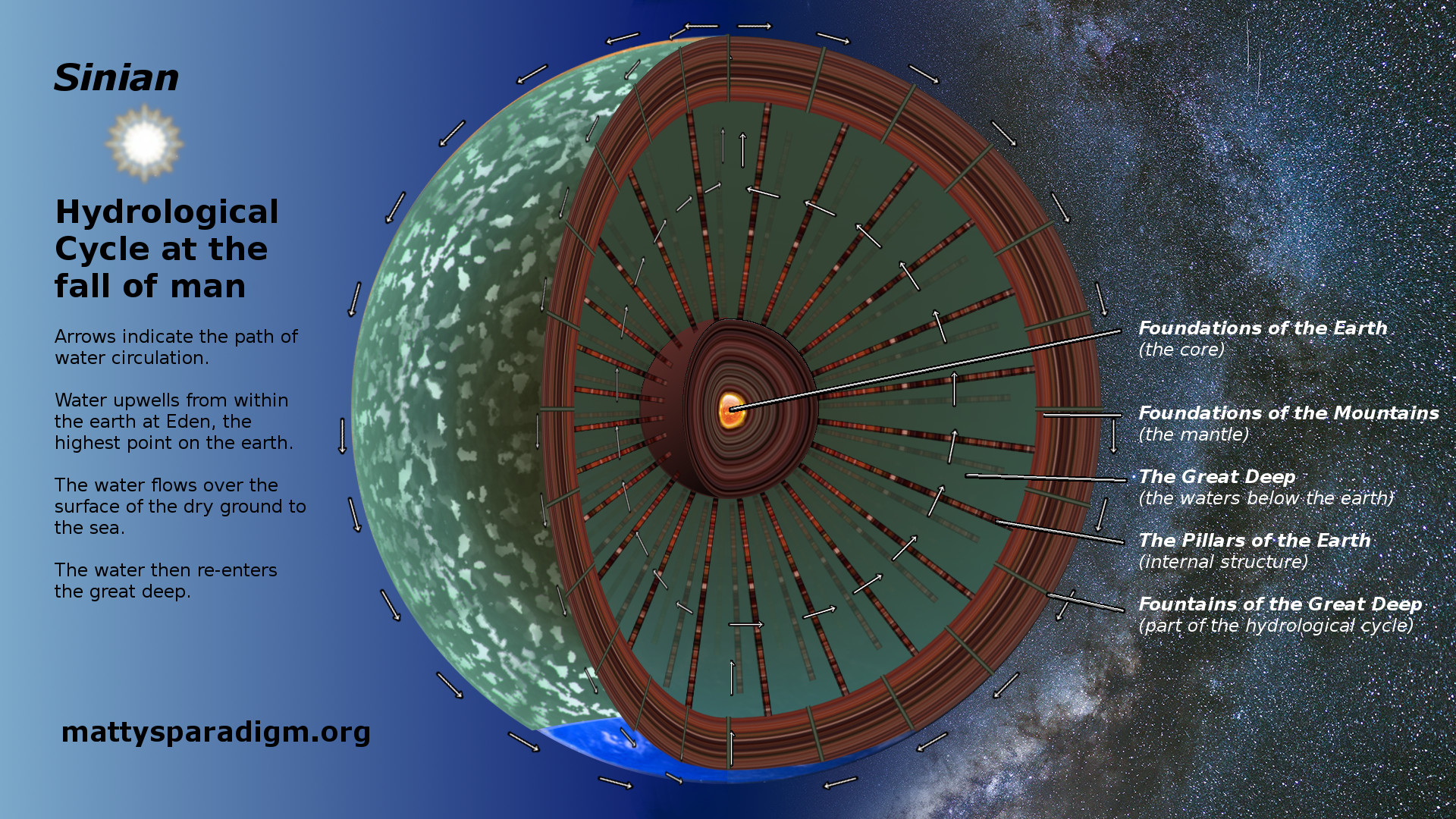
Tehom became Sheol

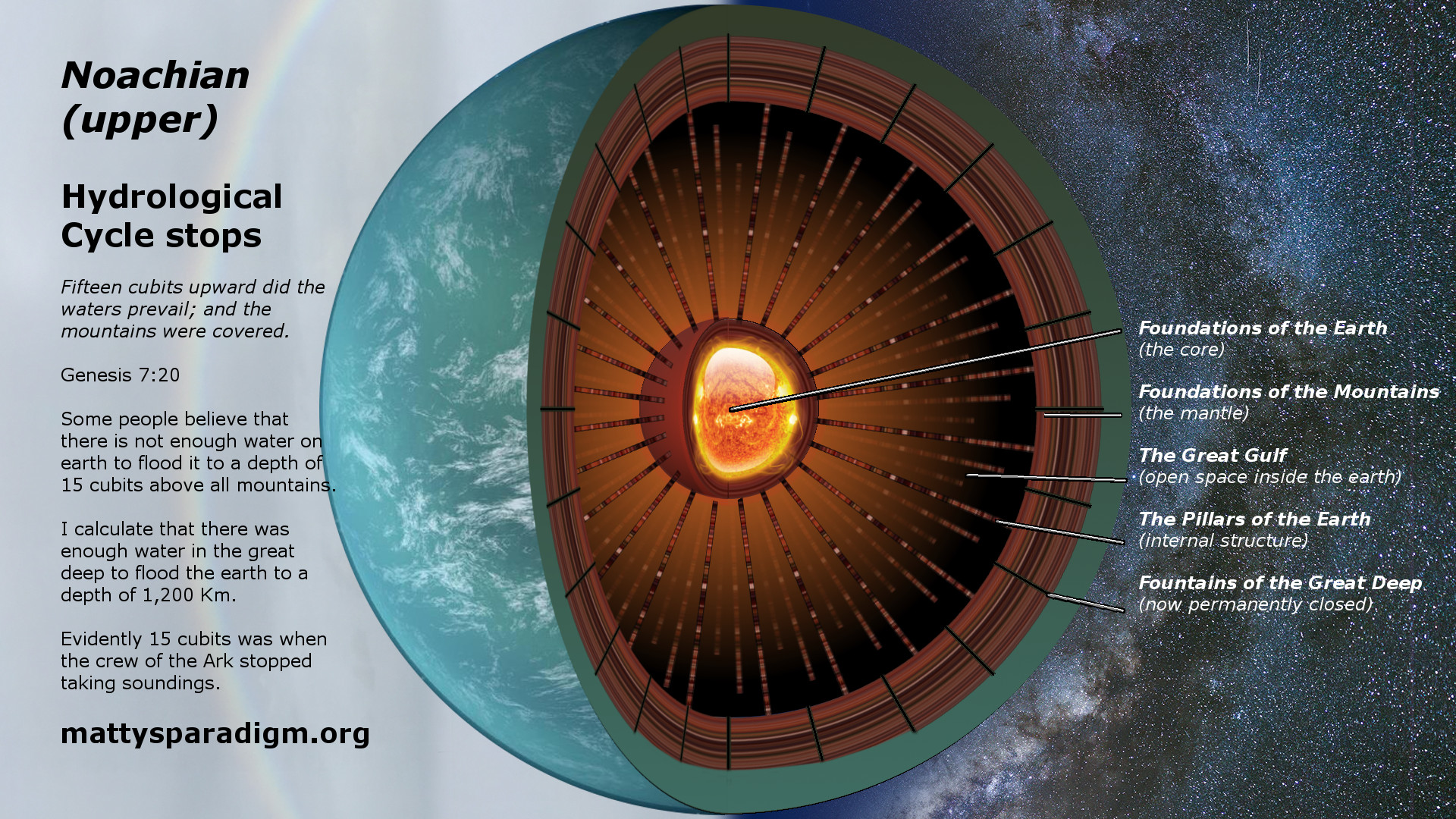
Cutaway of planet Earth showing the relative depth of Noah's flood

I had another vision from the Sovereign Lord. In it I saw him preparing to punish his people with fire. The fire burned up the great ocean under the earth and started to burn up the land.

(Amos 7:4) Good News Translation

The region between Earth’s core and mantle, referred to by Jesus as a mega chasm or a great gulf, has to transition from water filled to open space due to the expansion of hell.

Continue reading “Tehom became Sheol”

Antediluvian Global Warming

For if God spared not the angels that sinned, but cast them down to hell, and delivered them into chains of darkness, to be reserved unto judgment; And spared not the old world, but saved Noah the eighth person, a preacher of righteousness, bringing in the flood upon the world of the ungodly;

(2 Peter 2:4-5) KJV

Noah spent about 100 years building the ark. He preached to the people of his day to warn them about the impending flood. He thought that he was building the ark to save people. They thought that he was off his rocker.

Continue reading “Antediluvian Global Warming”

Where is Hell?

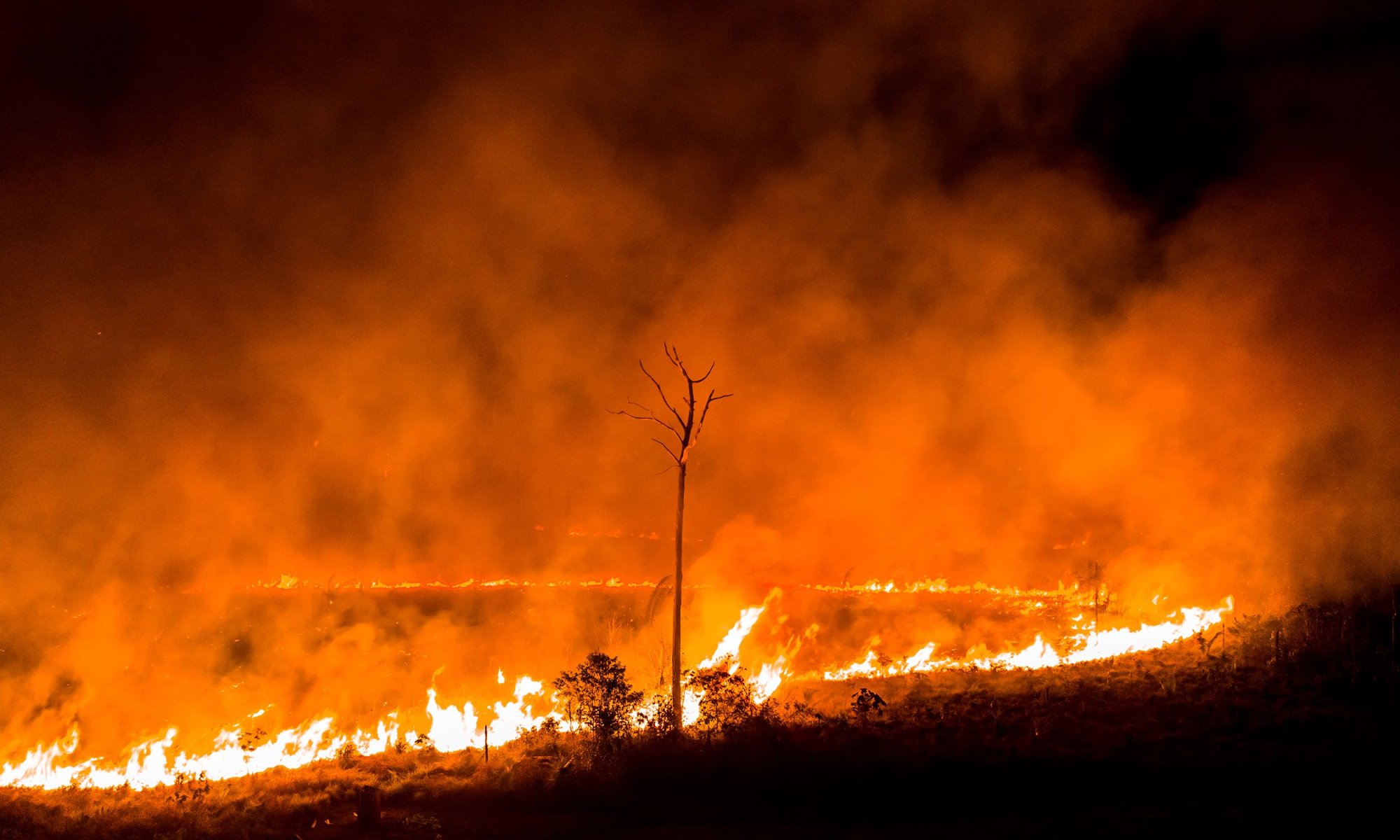
For a fire is kindled in My anger, And shall burn to the lowest hell; It shall consume the earth with her increase, And set on fire the foundations of the mountains.

(Deuteronomy 32:22) NKJV

We’re very thankful to the small number of folk who have reached out through our contact us form to discuss ideas about natural theology and science. It’s interesting to see different opinions about what evidence means in relation to the testimony of scripture.

Continue reading “Where is Hell?”

Hell is Temporary

And death and hell were cast into the lake of fire. This is the second death. And whosoever was not found written in the book of life was cast into the lake of fire.

(Revelation 20:14-15) KJV

When we hear people talk about judgement we may hear phrases like

“…burning in hell for all eternity.”

– Average Pastor

It’s wrong and physically impossible. Hell is temporary.

Continue reading “Hell is Temporary”

The Day the Earth Began to Die

And unto Adam he said, Because thou hast hearkened unto the voice of thy wife, and hast eaten of the tree, of which I commanded thee, saying, Thou shalt not eat of it: cursed is the ground for thy sake; in sorrow shalt thou eat of it all the days of thy life;

(Genesis 3:17) KJV

The heat of nuclear decay caused the core of the Earth to start melting, and it was partially dissipated by the waters of the deep which by circulated to the surface of the Earth transferring heat safely into the atmosphere.

Continue reading “The Day the Earth Began to Die”

The Course of Nature

And the tongue is a fire, a world of iniquity. The tongue is so set among our members that it defiles the whole body, and sets on fire the course of nature; and it is set on fire by hell.

(James 3:6) NKJV

There’s a New Testament confirmation of the event described in Deuteronomy 32:22 when the fire of hell was kindled and nuclear decay began. Here we’re told that the tongue, the serpent beguiling Eve and Adam blaming his wife, set on fire the course of nature which in this case means melting the core of the Earth.

Continue reading “The Course of Nature”

Siberia Heatwave Sees Buildings Split in Two As Permafrost Thaws

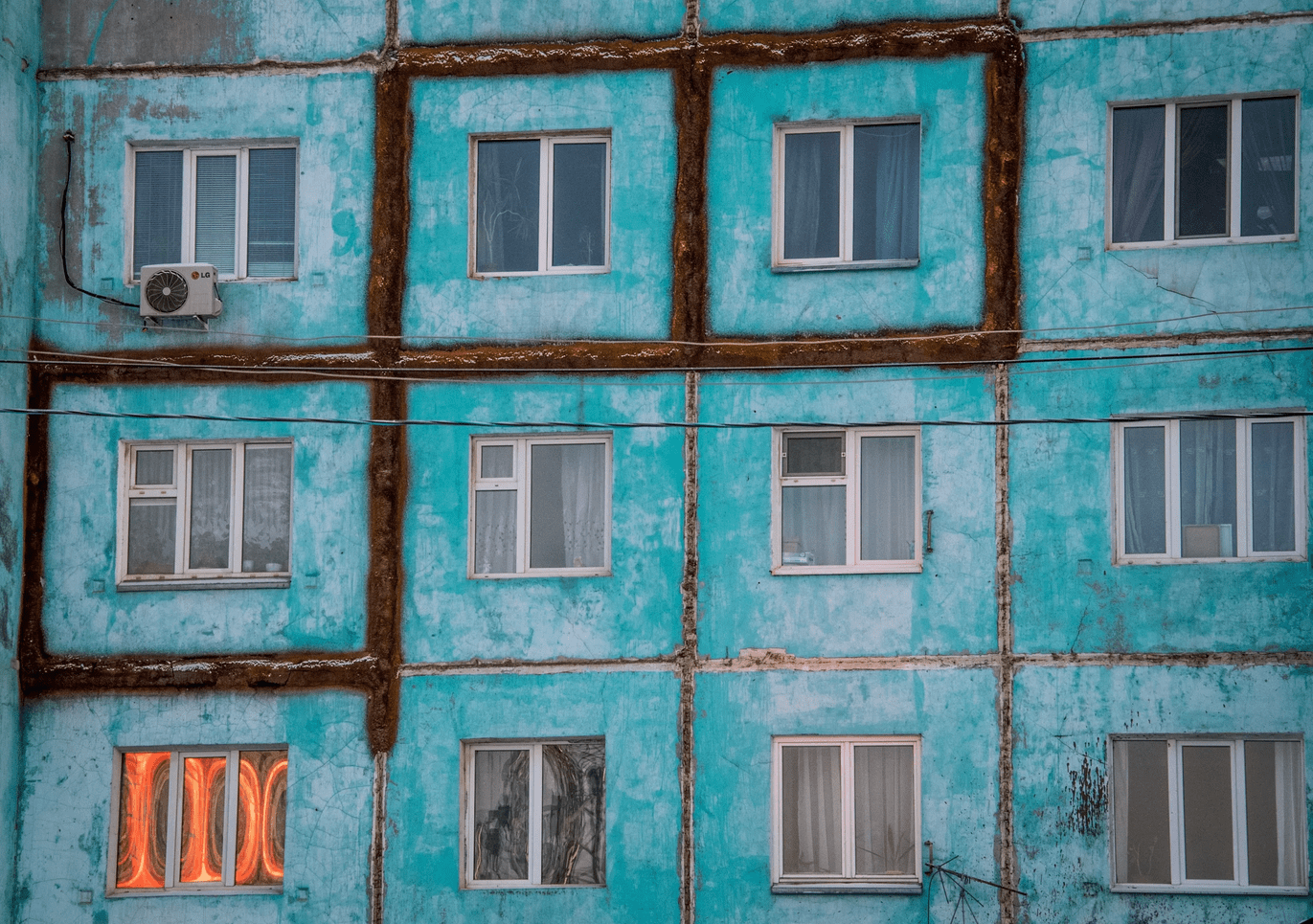
A two-story residential building broke apart as layers of permafrost thawed during a summer heatwave in Yakutsk, Russia—often referred to as the “world’s coldest city.”

Winter temperatures in Yakutsk, in east Siberia, regularly plummet to below minus 40 degrees Fahrenheit, with the record low standing at minus 83 degrees Fahrenheit.

But while the city, the largest in the world built on continuous permafrost, is no stranger to relatively hot weather at this time of year, climate change is contributing to warmer winters, longer summers, and more extreme heat waves in the region, and Siberia as a whole.

In fact, Siberia has been experiencing abnormally high temperatures for several months and the region saw an early start to summer during which a staggering measurement of 100.4 degrees Fahrenheit recorded on Saturday, June 20 in the small town of Verkhoyansk, according to Russian weather data that has yet to be verified.

This warming climate—the average annual temperature in Yakutsk has risen more than four degrees over the past few decades—is leading to increased melting of the highest permafrost layers on which the city lies, threatening the very foundations of its buildings as the ground subsides.

“The change of landscape tremendously affects any kind of buildings or roads or structure that you have,” Amber Soja, from NASA’s Langley Research Center, told Newsweek.

The building in Yakutsk, located in the city’s outskirts, started breaking apart in the early hours of June 24, when a roughly 4-inch crack appeared inside three flats and on the outer walls, The Siberian Times reported. Fortunately, residents realized what was happening and rushed out of the building.

“The situation caught us completely off guard, none of us had time to pick up documents or to take any other of our belongings with us. People ran in such a rush they didn’t even have time to shut doors,’ one resident of the building told The Siberian Times.

Most buildings in Yakutsk are built on deep concrete piles that sink deep into the permafrost in order to provide a solid foundation. But emergency workers who inspected the building after the cracks appeared found that one of the piles was broken. And beneath the building itself, they found a pool of meltwater, which they say could have played a role in the damage to the pile.

As Yakutsk and the wider region experiences rising air and ground temperatures, increased permafrost melting can cause the ground to subside, which can lead to the collapse of buildings.

In December, Russian President Vladimir Putin himself expressed concern over the potentially severe impact heat waves could have for the various Russian cities that are built on permafrost.

“As you know, Russia is a northern country, and 70 percent of our territory is located in the north latitudes,” Putin said. “Some of our cities were built north of the Arctic Circle, on the permafrost. If it begins to thaw, you can imagine what consequences it would have. It’s very serious.”