

In the six hundredth year of Noah’s life, in the second month, the seventeenth day of the month, the same day were all the fountains of the great deep broken up, and the windows of heaven were opened.
(Genesis 7:11) KJV
Interesting thing about fossils: Fossils don’t just record evidence of ancient life, they also show us clues about what the environment was like when the fossil was made, or deposited.
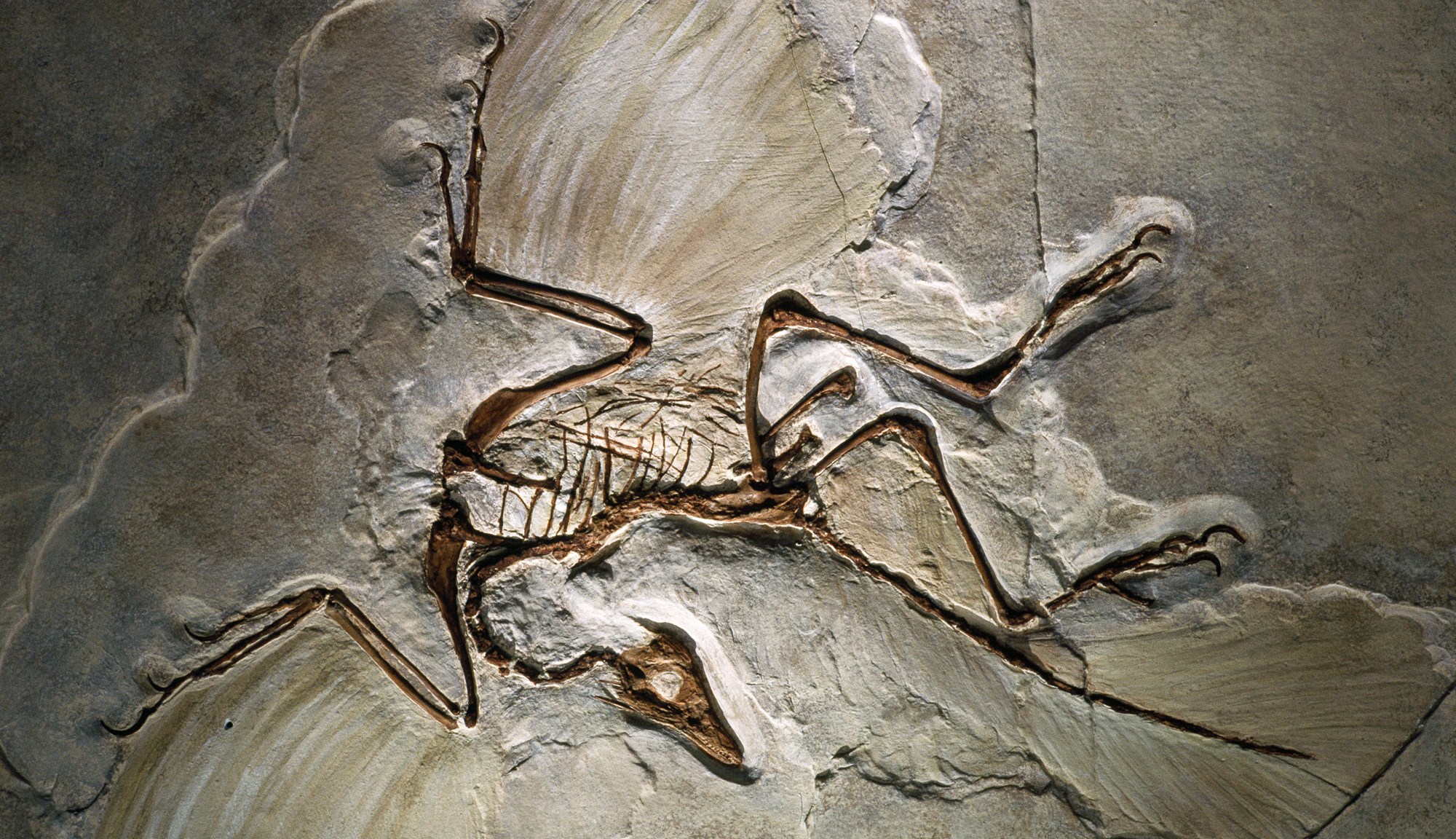
Another funny thing about fossils: They are all the remains of animals and plants that were buried in mud, sand or silt. All of the fossils in the major periods of the geological time scale, Cambrian to Quaternary, were in fact deposited during the catastrophic event known as the Great Flood of Noah.
The water above the firmament flowed through windows in the heavens (firmament) and poured down rain that caused flood waters to rapidly rise. This was coordinated with the opening up of the fountains of the great deep, and the water that was circulating through the open space below the Earth’s mantle burst forth.
Animals and people naturally retreated as the waters came on. The cattle, beasts and creepers of the Earth and the fowl of the air thronged together in multitudes. The wolf with the lamb; the leopard with the kid; the calf and the lion and the fatling together, and the little children with them. Beasts of the water with beasts of arid lands; beasts of the tundra with beasts of the jungle; birds of the air with beasts of the ground. Thousands upon thousands, on every hill and mount, young and old, sick and well: every living creature.
All the men and women of the Earth were there. Paleolithic and neolithic; rough stones and smooth; worked flints and stone artifacts; iron age and bronze age. Vast multitudes, crushing into caves and swarming at their entrance until overwhelmed by the water and destroyed.
Massive tidal waves caused by the deluge carried vast amounts of sand and stones over the Earth. Rocky debris and large blocks from the hills were hurled down by the currents of water. The bodies of millions of animals were smashed and rolled, shattering the bones within them. They were crushed into fissures and caves by enormous pressure. And as the waves propagated to the poles the circumference of the Earth lessened, the power of the waves grew, and the poles were scrubbed clear of everything.
Violent death fell at once on the fish in tens of thousands of square miles of ocean. Whole tribes of fish were immobilized in a moment and petrified forever. Agony, death, immediate encasing. Contorted, contracted, curved, bent head to tail; spines sticking out; fins spread full; in anger, fear, dying in convulsions. No predation, no disease, animals preserved packed together, even their skin color remaining.
Fossil deposits clearly show this evidence but are grouped together in a deceptive way. Formations containing large numbers of fish killed while swimming are usually called Devonian, while the deposits containing the smashed and broken bodies of millions of animals are referred to as Cretaceous. Popular science (SciPop) has separated the events by millions of years, but this is merely elaborate fiction. They’re all evidence of the same worldwide catastrophe.
Then the waves retreated, back to the equator, with great avalanches of water loaded with stones, trees and bodies. Hard quartz blocks were rolled smooth; forests torn up from the ground, the logs piled high. Boulders were swept along hundreds of miles; slabs of 10,000 cubic feet lifted to elevations of 2000 feet. The so-called erratic boulders were moved into place. The remains of the land was shattered; animals and plants covered in layers of muck, sand, water rolled pebbles, oceanic sediment.
Then the high waters remained upon the Earth for 150 days, during which time the suspended sediment deposited out of the water forming thick formations of parallel bedded strata. This sequence of events accounts for the many examples in sedimentary formations where beds containing fossils, bones and artifacts, are overlain by vast layers of smooth rubble, pebbles and gravel, and above this are thick beds of oceanic sediment.
In an attempt to disguise these obvious facts, scientists have gone to amazing lengths to try to describe the flood without calling it a flood. This month we’re going to look at some of the crafty language used to make it look like all the strata were from different periods of time.


 Matty (Headwind)