
Hitchens’s Razor 2.0

To the Chief Musician. Set to “Mahalath.” A Contemplation of David. The fool has said in his heart, “There is no God.” They are corrupt, and have done abominable iniquity; There is none who does good.

(Psalms 53:1) NKJV

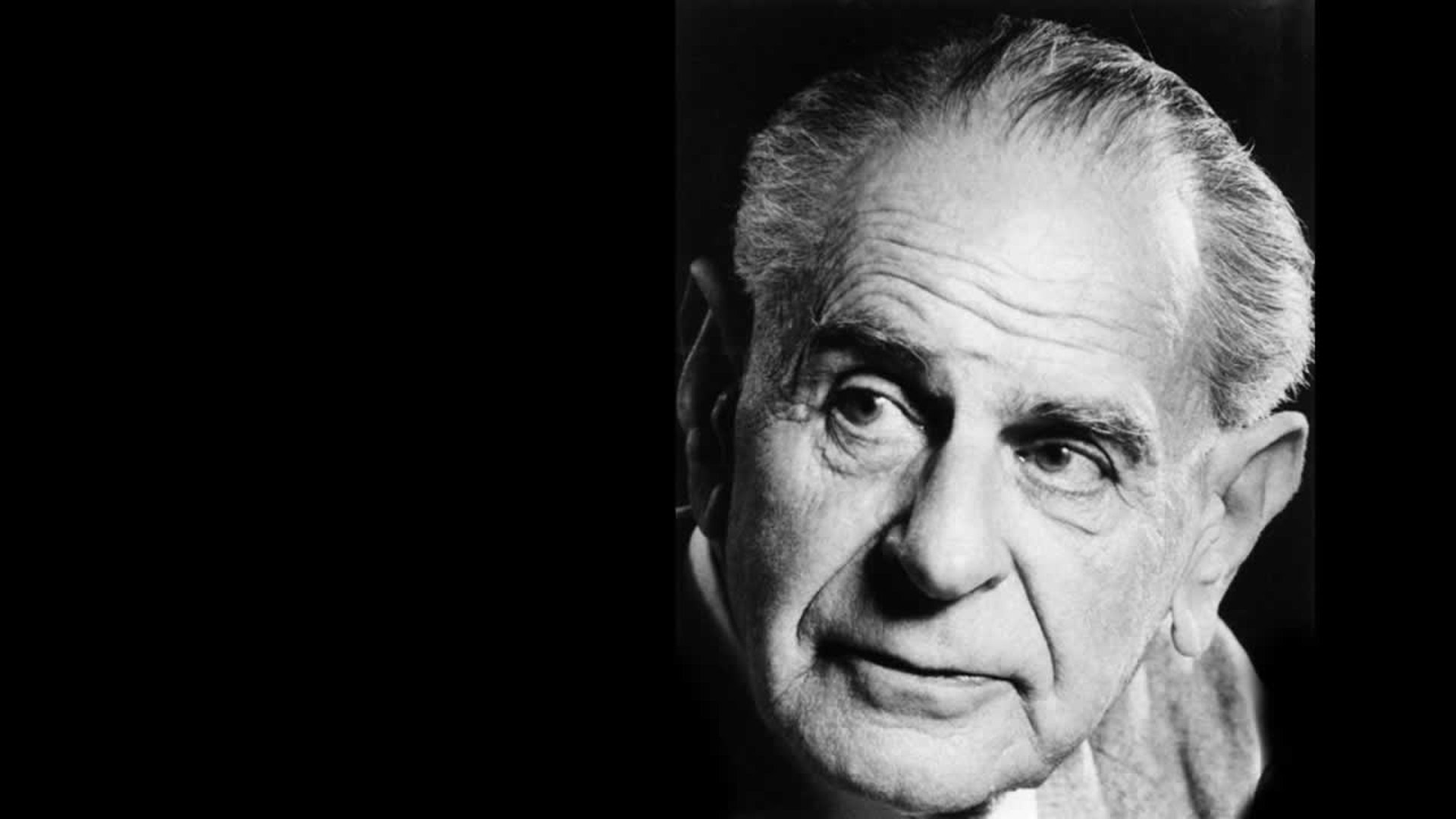
Rather than demonstrating that “science” is based on evidence whereas faith isn’t, Christopher Hitchens showed, ironically, that he didn’t understand what evidence is or how it’s used.

Continue reading “Hitchens’s Razor 2.0”

Primary or Secondary?

Woe to those who call evil good, and good evil; Who put darkness for light, and light for darkness; Who put bitter for sweet, and sweet for bitter!

(Isaiah 5:20) NKJV

Hitchens’s razor works by assuming that secondary sources of evidence, vetted and approved by peer review to be compliant with the popular science narrative (SciPop), are primary sources of evidence.

Continue reading “Primary or Secondary?”

Epistemological Abuse

You shall have honest scales, an honest ephah, and an honest bath.

(Ezekiel 45:10) NKJV

Hitchens’s razor demonstrates a failure to understand what evidence is and how it’s used. Try Matty’s razor: we all have exactly the same evidence. What we believe it’s evidence of is determined by our choice of paradigm.

Continue reading “Epistemological Abuse”

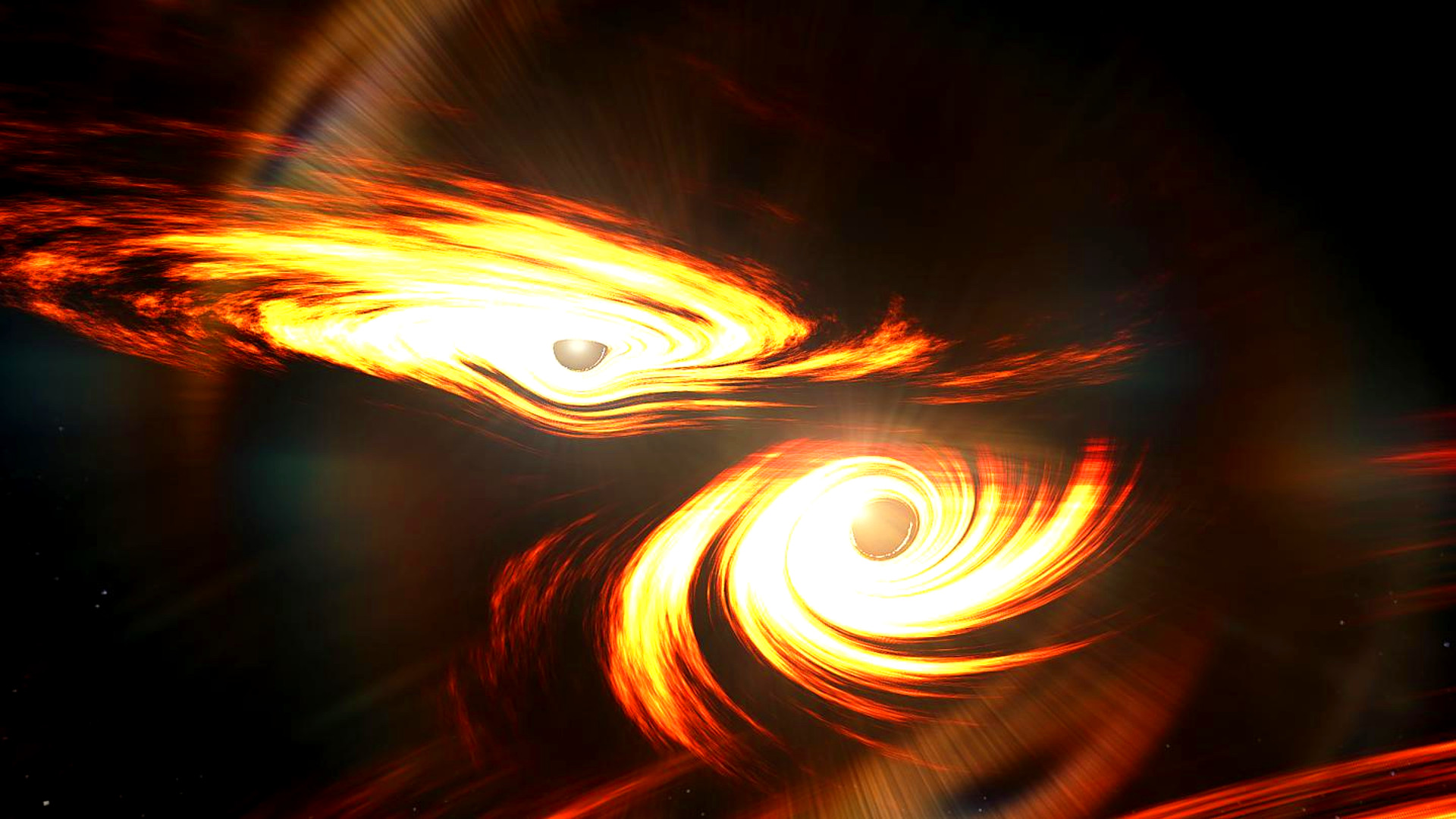
Black Holes and Dark Matter

Woe to those who call evil good, and good evil; Who put darkness for light, and light for darkness; Who put bitter for sweet, and sweet for bitter!

(Isaiah 5:20) NKJV

All current cosmological models show that somewhere between %80-85 of the mass of the universe is missing. Based on our understanding of particle physics we can move this number up to %90. Where is it?

Continue reading “Black Holes and Dark Matter”

The Hawking Effect

O Timothy! Guard what was committed to your trust, avoiding the profane and idle babblings and contradictions of what is falsely called knowledge—

(1 Timothy 6:20) NKJV

One of our favorite books is “A Brief History of Time,” by Stephen Hawking. In this and his other books Hawking expands use of the scientific method as an inductive tool. He opened up the realm of plausibility. In so doing he redefined the term “scientific knowledge.”

Continue reading “The Hawking Effect”

The Scientific Method

But there was a certain man called Simon, who previously practiced sorcery in the city and astonished the people of Samaria, claiming that he was someone great, to whom they all gave heed, from the least to the greatest, saying, “This man is the great power of God.”

(Acts 8:9-10) NKJV

One of the ways that popular science (SciPop) attempts to be rigorous and hold itself accountable is through use of something called the scientific method. It’s a systematic approach to investigation.

Continue reading “The Scientific Method”

Scientific Facts

You shall have just balances, just weights, a just ephah, and a just hin: I am the LORD your God, who brought you out of the land of Egypt.

(Leviticus 19:36) ESV

Popular science (SciPop) is an inductive rationalization of the the premise that the universe has no divine or supernatural cause. Unfortunately the universe has a divine, supernatural cause.

Continue reading “Scientific Facts”

Occam’s Delusion

Therefore, behold, I will proceed to do a marvellous work among this people, even a marvellous work and a wonder: for the wisdom of their wise men shall perish, and the understanding of their prudent men shall be hid.

(Isaiah 29:14) KJV

We’ve demonstrated that Occam’s razor is a philosophical train wreck by comparing the assumptions necessary in heliocentric vs. geocentrospheric cosmologies and through the improbability of the origin of species by evolution.

Continue reading “Occam’s Delusion”