Hypothesis 19

The Windows of Heaven and Noah’s Flood

Study to shew thyself approved unto God, a workman that needeth not to be ashamed, rightly dividing the word of truth.

(2 Timothy 2:15) KJV

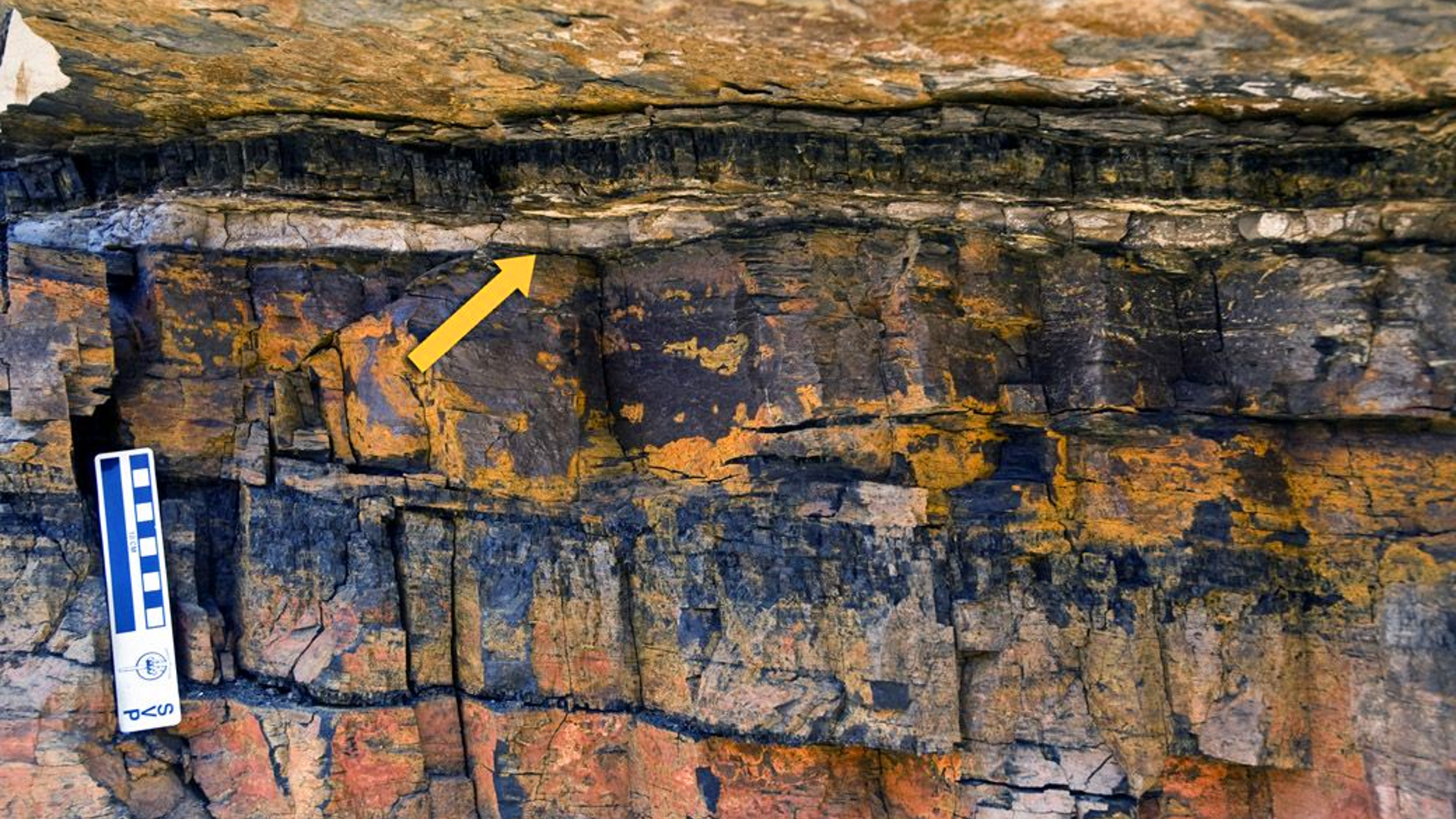
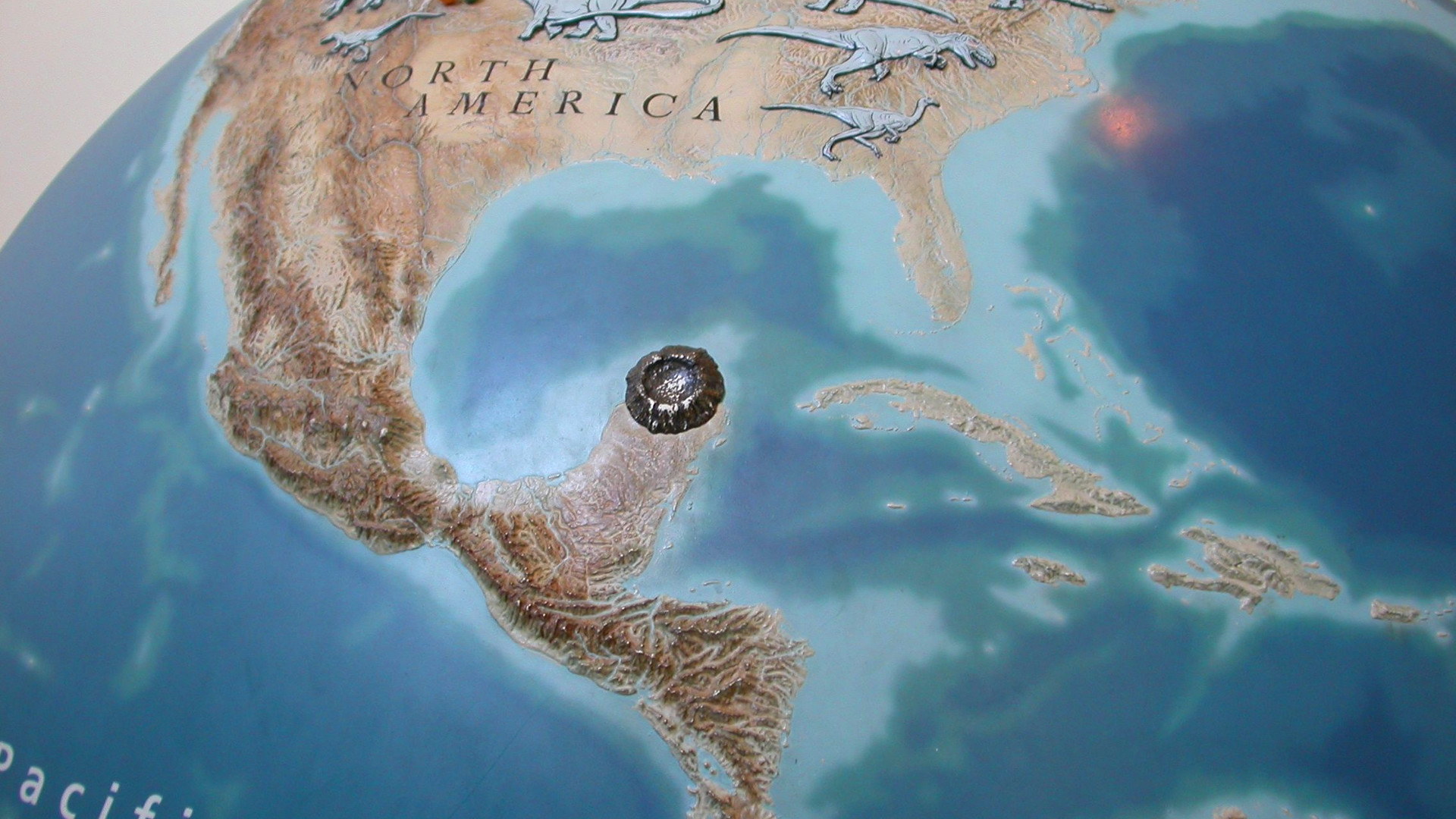
The presence of extraterrestrial material at the Cretaceous/Tertiary (K/T) boundary gives us the premise for a predictive testable hypothesis. However, hypothesis 19 has nothing to do with a meteorite impact.

Continue reading “Hypothesis 19”

The Duration of Noah’s Flood

In the six hundredth year of Noah’s life, in the second month, the seventeenth day of the month, the same day were all the fountains of the great deep broken up, and the windows of heaven were opened.

(Genesis 7:11) KJV

And it came to pass in the six hundred and first year, in the first month, the first day of the month, that the waters were dried up from the earth; and Noah removed the covering of the ark and looked, and indeed the surface of the ground was dry. And in the second month, on the twenty-seventh day of the month, the earth was dried.

(Genesis 8:13-14) NKJV

We need to understand where the Iridium anomaly is found in the stratigraphic column as compared to the sequence of Noah’s flood that we can deduce from the sedimentary evidence.

Continue reading “The Duration of Noah’s Flood”

Extraterrestrial Propaganda

The words of Amos, who was among the sheepbreeders of Tekoa, which he saw concerning Israel in the days of Uzziah king of Judah, and in the days of Jeroboam the son of Joash, king of Israel, two years before the earthquake.

(Amos 1:1) NKJV

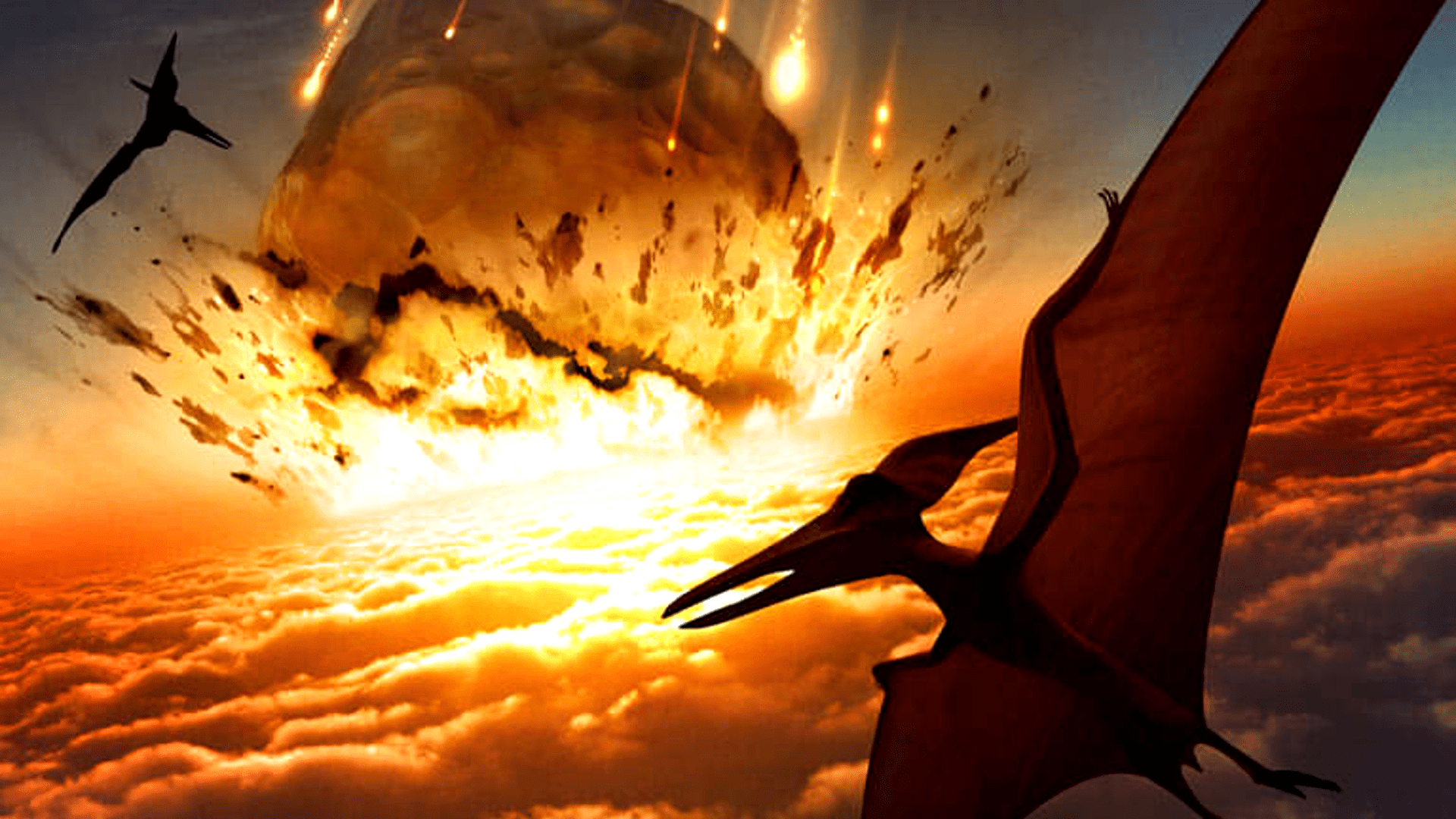
Popular science (SciPop) is in love with the idea that an extraterrestrial impact caused a mass extinction at the end of the Cretaceous (Mesozoic) which wiped out the dinosaurs.

Continue reading “Extraterrestrial Propaganda”

Extinction of Giant Land Reptiles

Behold now behemoth, which I made with thee; he eateth grass as an ox. Lo now, his strength is in his loins, and his force is in the navel of his belly. He moveth his tail like a cedar: the sinews of his stones are wrapped together. His bones are as strong pieces of brass; his bones are like bars of iron. He is the chief of the ways of God: he that made him can make his sword to approach unto him. Surely the mountains bring him forth food, where all the beasts of the field play. He lieth under the shady trees, in the covert of the reed, and fens. The shady trees cover him with their shadow; the willows of the brook compass him about. Behold, he drinketh up a river, and hasteth not: he trusteth that he can draw up Jordan into his mouth. He taketh it with his eyes: his nose pierceth through snares.

(Job 40:15-24) KJV

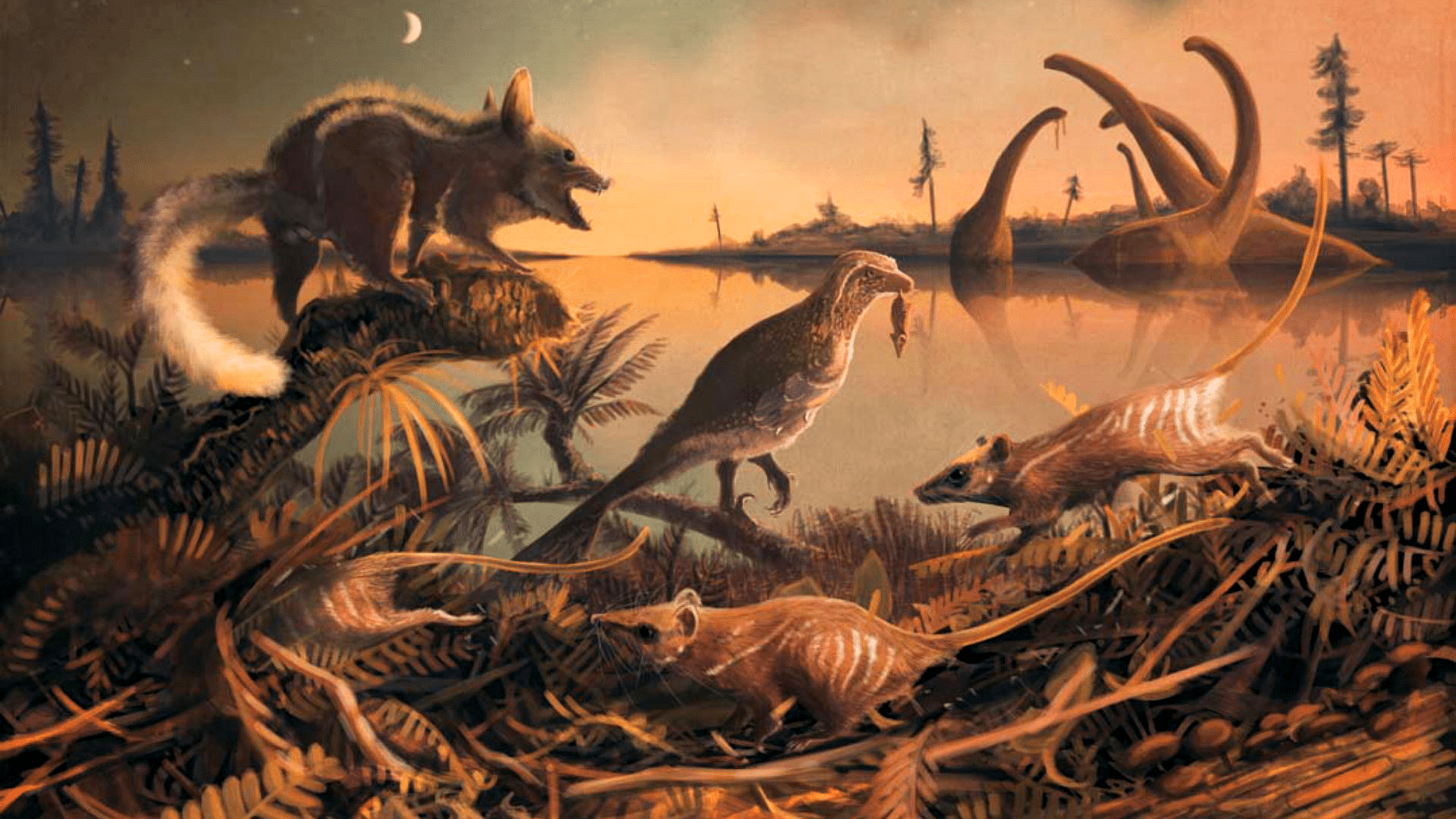
Behold Behemoth, a Sauropod dinosaur which lived in the Jordan valley during the time of Job and Abraham. Clearly not all of the giant land reptiles were made extinct by Noah’s flood.

Continue reading “Extinction of Giant Land Reptiles”

Climate Tending to be Uniform

And the waters prevailed exceedingly on the earth, and all the high hills under the whole heaven were covered. The waters prevailed fifteen cubits upward, and the mountains were covered.

(Genesis 7:19-20) NKJV

Climate tending to be uniform, temperate because of extensive inundation of continents“. Our period description opens up with a climate statement which lets us know that this was part of a world-wide flood.

Continue reading “Climate Tending to be Uniform”

Uniform, Mild Climates

He produced manuals on botany, describing every kind of plant, from the cedars of Lebanon to the hyssop that grows on walls. He also produced manuals on biology, describing animals, birds, insects, and fish.

(1 Kings 4:33) NET Bible

The Triassic marks a return to the format which we saw repeatedly for the periods of the Paleozoic era. We know that these sediments were deposited during the deluge phase of Noah’s flood because of the climate statement.

Continue reading “Uniform, Mild Climates”

Arid to Semiarid, Savanna Type Climates

Now Moses kept the flock of Jethro his father in law, the priest of Midian: and he led the flock to the backside of the desert, and came to the mountain of God, even to Horeb.

(Exodus 3:1) KJV

The paleoenvironments of the periods of geological history that we’re seen so far include a statement about climate as a way to rationalize why so much sediment would be eroded, transported and deposited.

Continue reading “Arid to Semiarid, Savanna Type Climates”