The Written Word

And the Word was made flesh, and dwelt among us, (and we beheld his glory, the glory as of the only begotten of the Father,) full of grace and truth.

(John 1:14) KJV

When we consider the events of the first day, up to and including the development of cellular life with replicating DNA, it’s not too far fetched to propose that the Word of God was encoded on that day. What better way to accomplish this than to actually have the Word of God be encoded as information in DNA.

Continue reading “The Written Word”
Photosynthesis

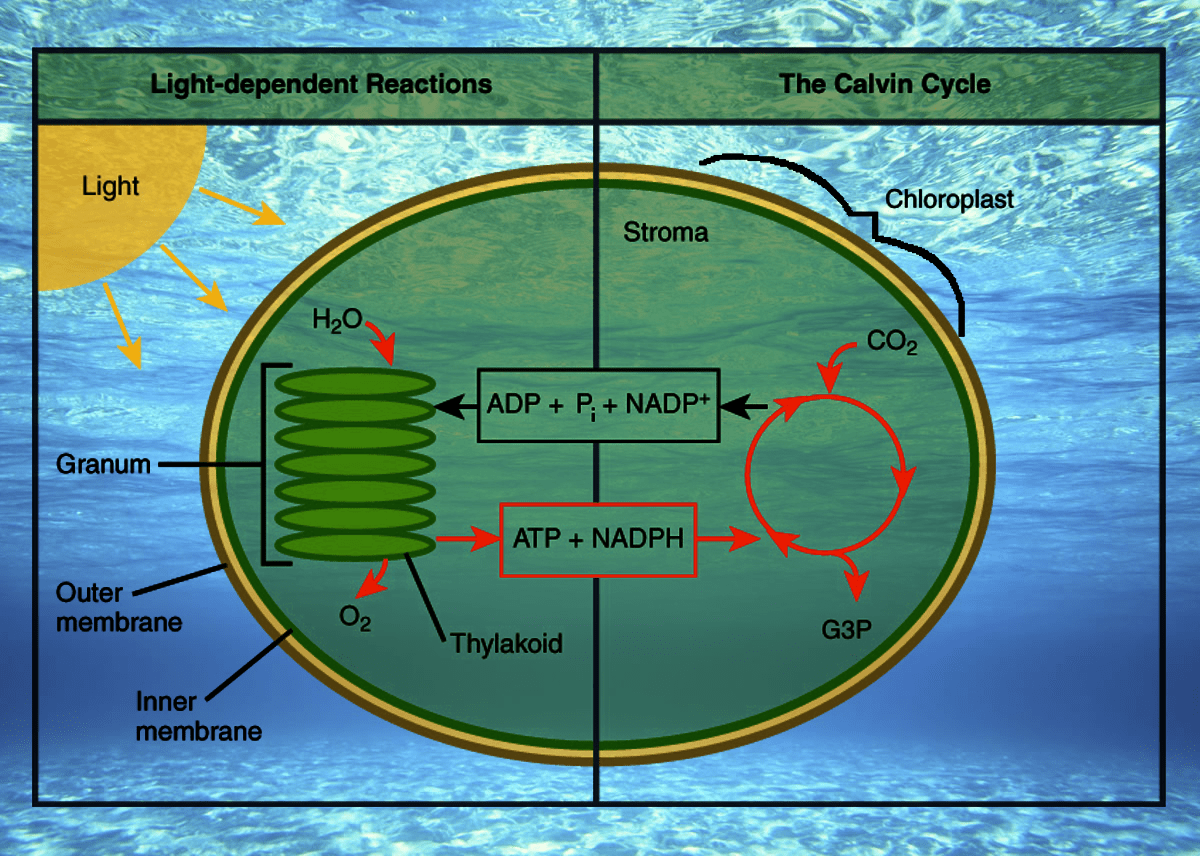
The next steps are to build these highly complex molecular structures into systems like: chloroplasts, where photosynthesis takes place for changing light into chemical potential energy; mitochondria, for generating chemical potential energy from food; and the sophisticated DNA – RNA system for storing and replicating inheritable information.

Continue reading “Photosynthesis”

Chlorophyll

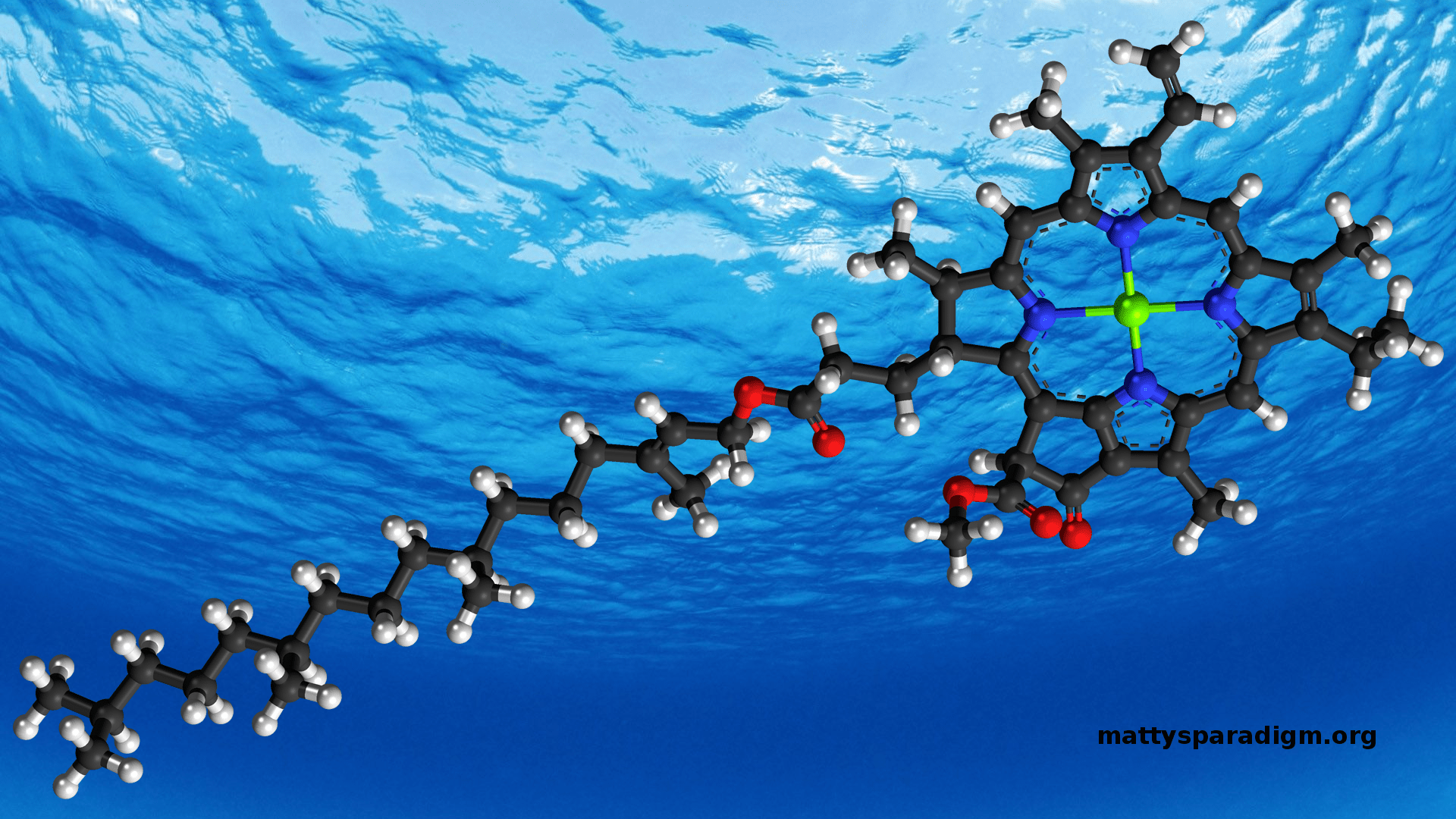
A stylized Chlorophyll molecule

Your mother was like a grapevine
planted near a stream.
Because there was plenty of water,
the vine was covered with leaves and fruit.

(Ezekiel 19:10) Good news Translation

Chlorophyll captures the energy from sunlight in a process called photosynthesis and produces Hydrogen (H+). It’s a picture of the command that God gave to begin the process of forming organic life: let light be.

Continue reading “Chlorophyll”

Membranes

And he shall offer of the sacrifice of the peace offering an offering made by fire unto the LORD; the fat that covereth the inwards, and all the fat that is upon the inwards, And the two kidneys, and the fat that is on them, which is by the flanks, and the caul above the liver, with the kidneys, it shall he take away.

(Leviticus 3:3-4) KJV

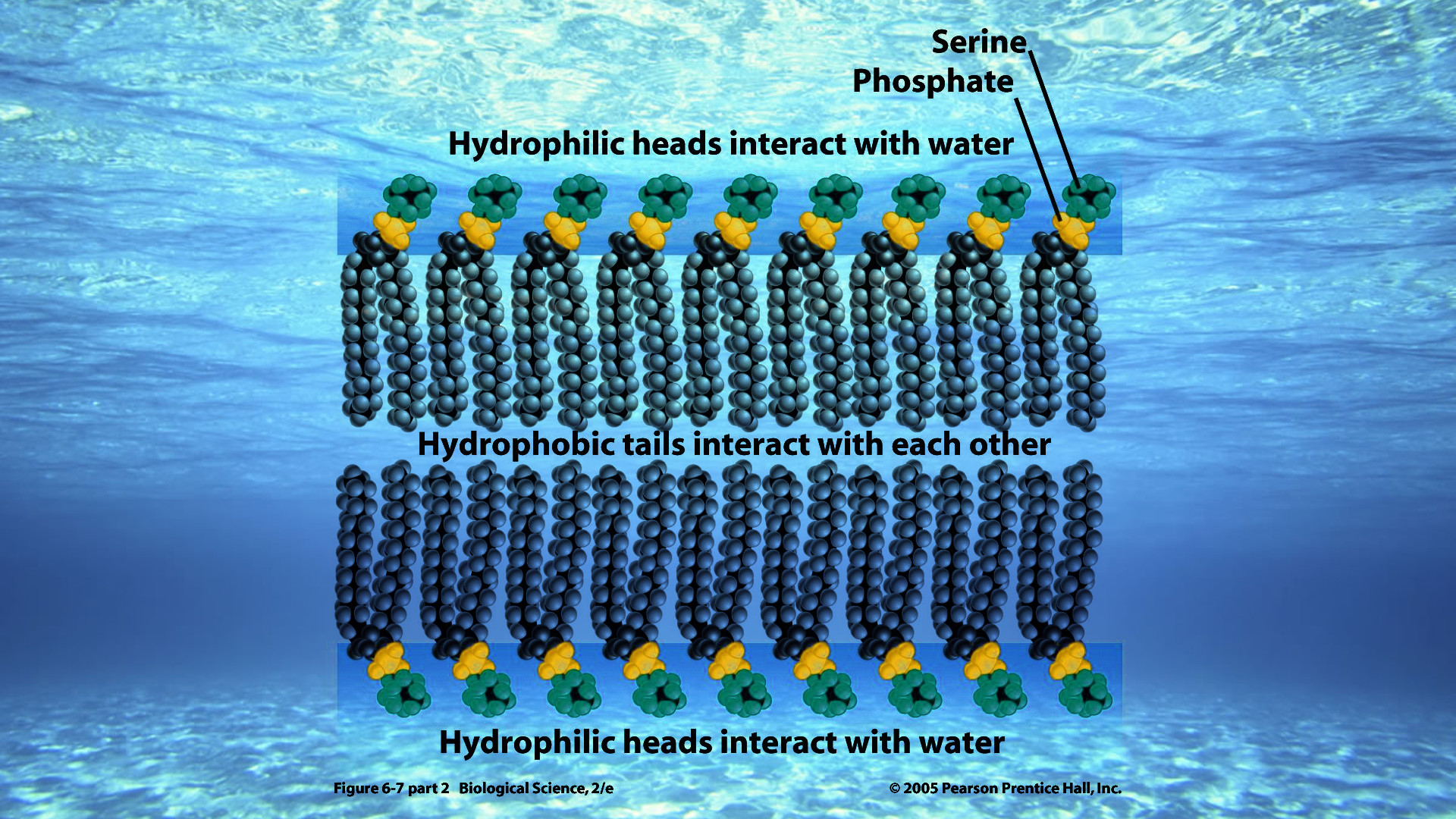
Membranes allow the rapid development of complexity. They form cellular and subcellular structures that carry out metabolic functions allowing biological life to develop, grow and reproduce.

Continue reading “Membranes”

Organic Chemistry: Ethane

Organic Chemistry.

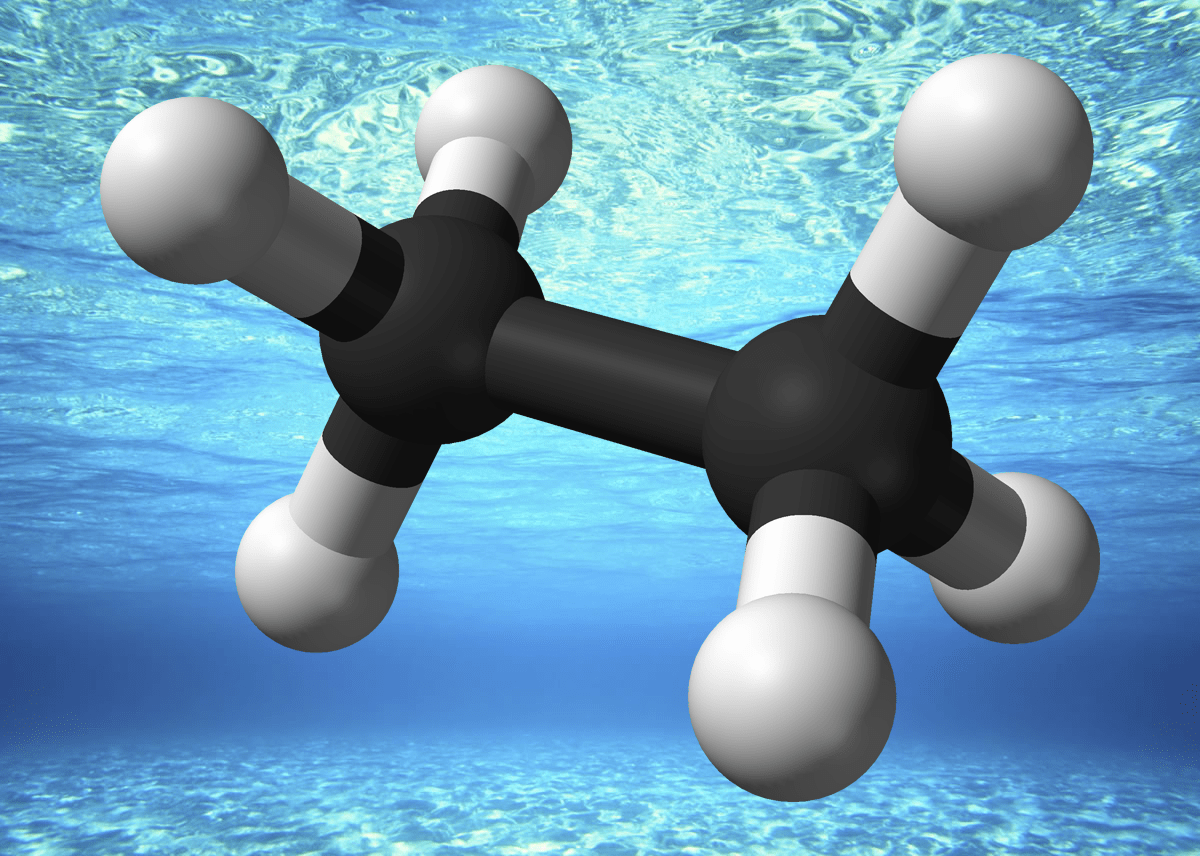
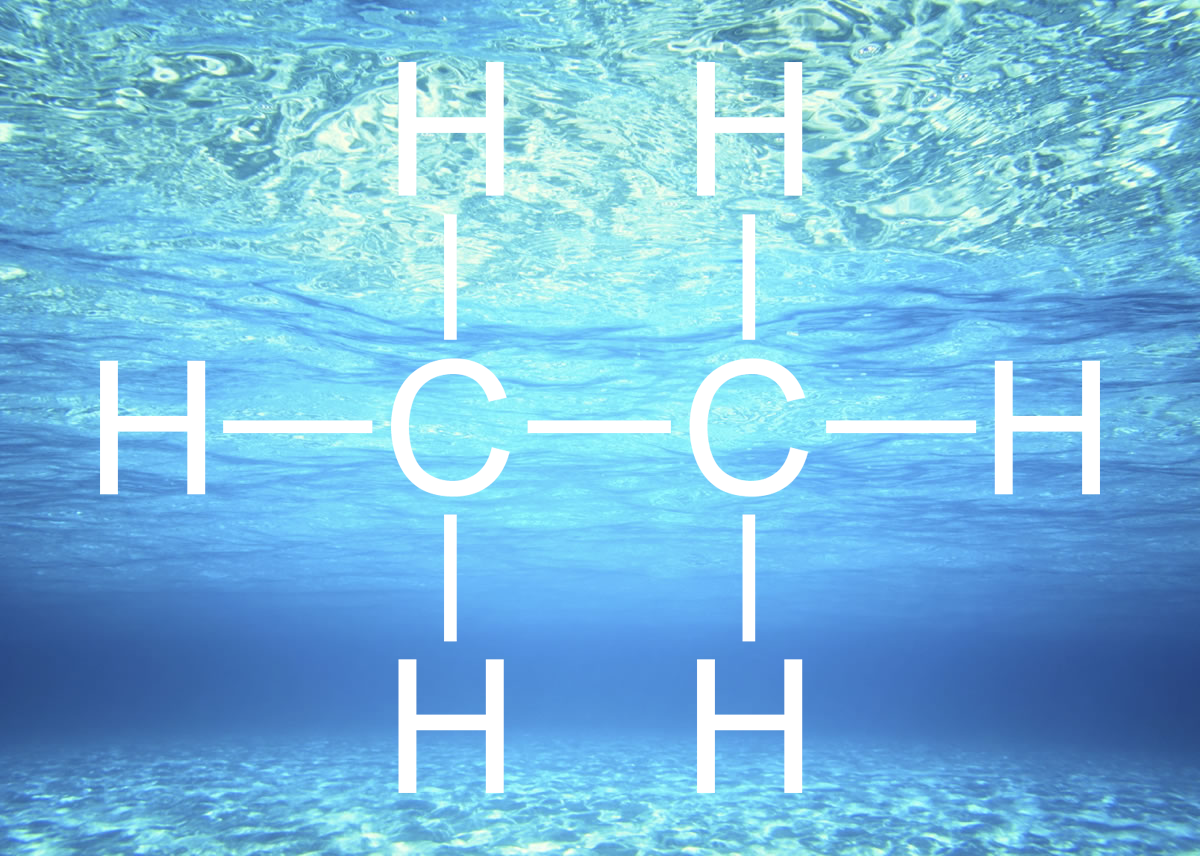
It doesn’t take long smashing Hydrogen atoms together to make all of the elements of the Periodic Table. There is one particular element, Carbon, that has a remarkable chemistry. So much so that the chemistry of Carbon is a separate field of study: Organic Chemistry. Shown here is the molecule Ethane, as Chemical symbols.

Ethane as chemical symbols


Building Complexity

It was therefore necessary that the patterns of things in the heavens should be purified with these; but the heavenly things themselves with better sacrifices than these.

(Hebrews 9:23) KJV

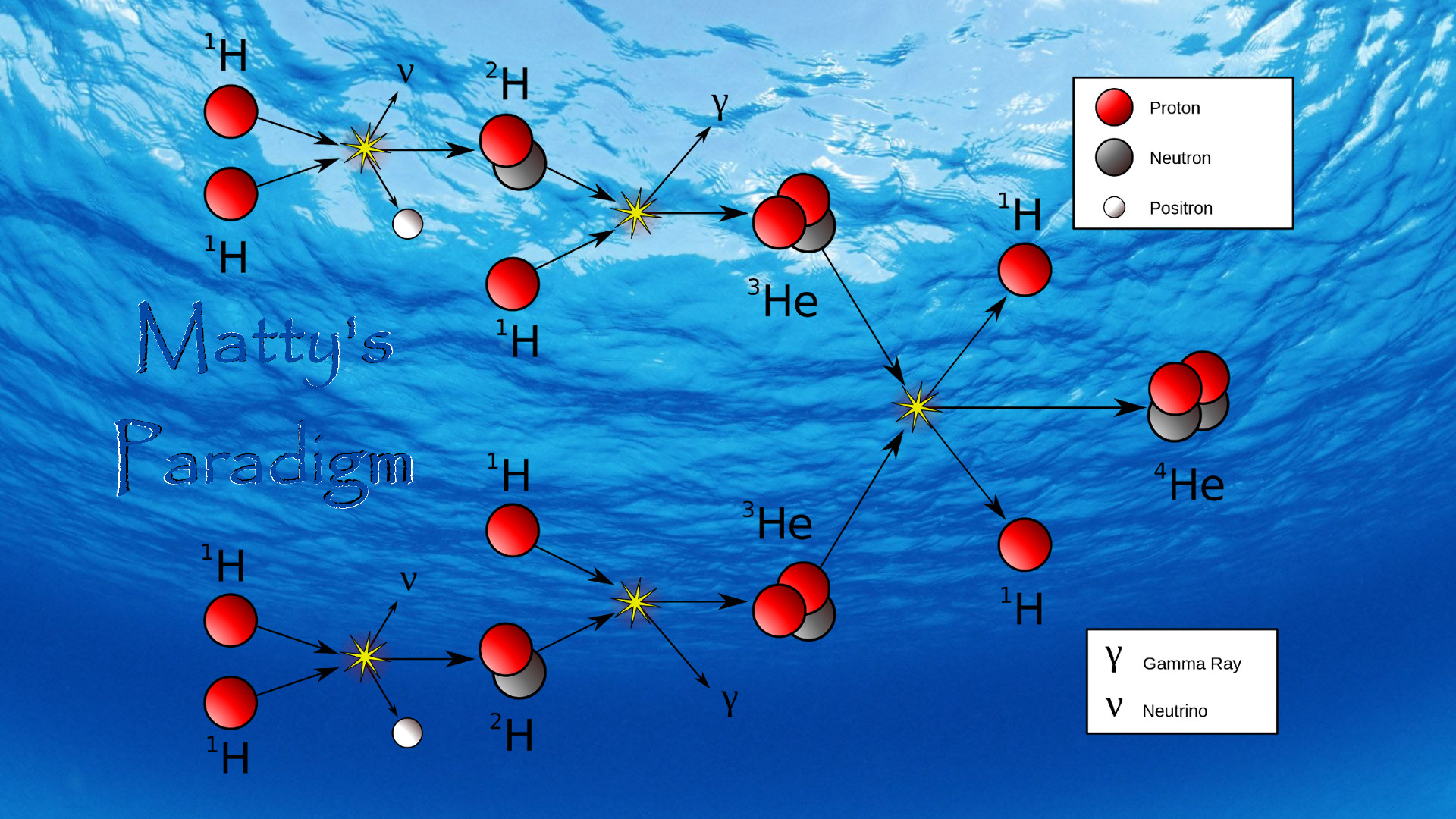
Here’s another example showing how, theoretically, atomic nuclei can be built by fusing Hydrogen atoms.

This comes directly from mainstream science and it isn’t some kooky religious mumbo-jumbo. It’s worth noting that the popular science (SciPop) paradigm requires conditions for the early stages of the universe (the Big Bang) that are met in the testimony of scripture.

In the beginning God created the heaven and the earth. And the earth was without form, and void; and darkness was upon the face of the deep. And the Spirit of God moved upon the face of the waters.

(Genesis 1:1-2) KJV

The only thing necessary for the “scientific” explanation of nucleosynthesis is a source of hydrogen atoms, and this comes from the molecules of the deep.