A Pavement of Sapphire Stone

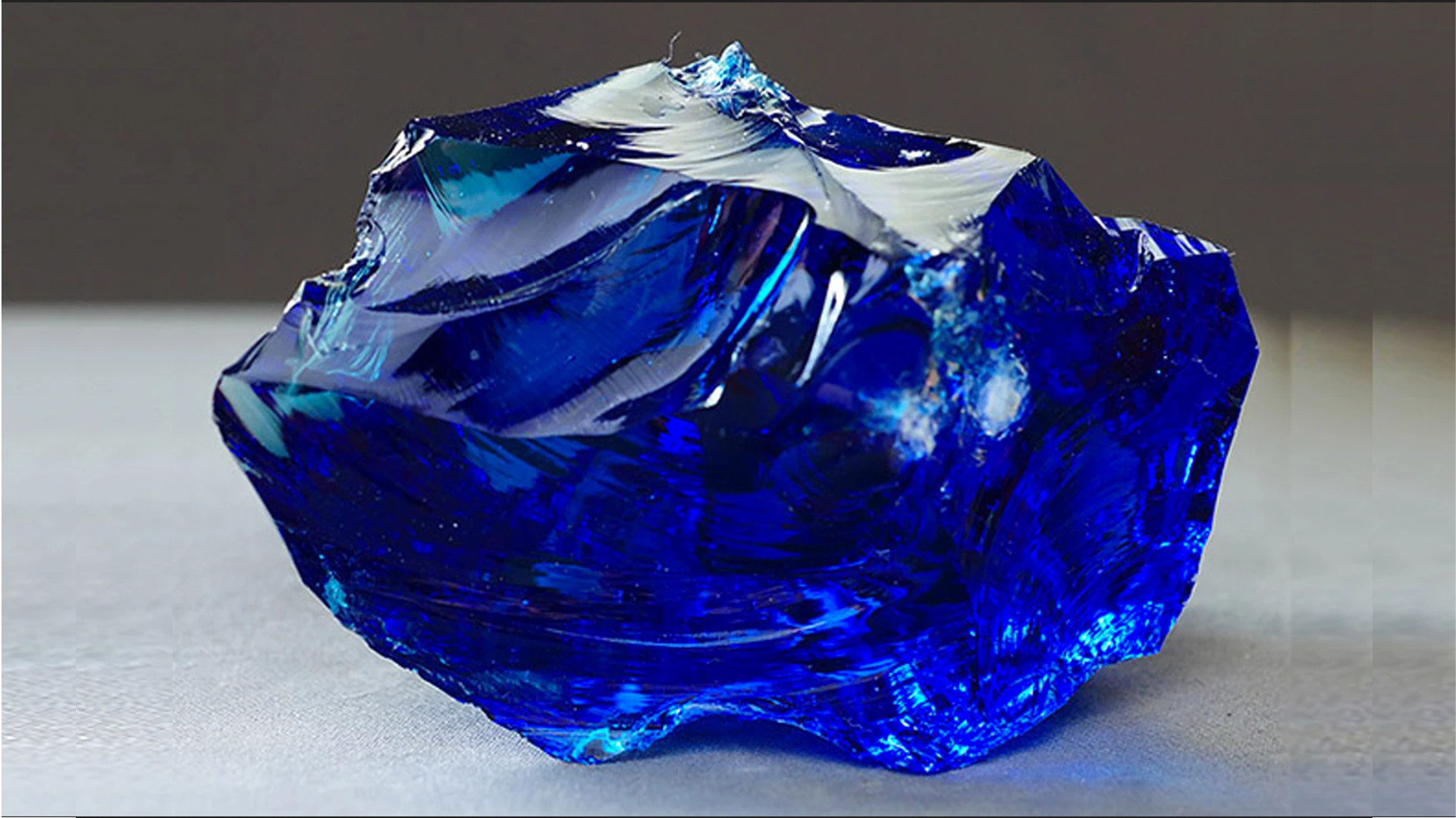
Then Moses and Aaron, Nadab, and Abihu, and seventy of the elders of Israel went up, and they saw the God of Israel. There was under his feet as it were a pavement of sapphire stone, like the very heaven for clearness.Then went up Moses, and Aaron, Nadab, and Abihu, and seventy of the elders of Israel: And they saw the God of Israel: and there was under his feet as it were a paved work of a sapphire stone, and as it were the body of heaven in his clearness.

(Exodus 24:9-10) ESV

You may be uncomfortable with the idea that God uses a section of the firmament as a movable platform like a giant cosmic surfboard. We get it, this is a deep end and we went off it. It’s what we do.

Continue reading “A Pavement of Sapphire Stone”

The Waters Above

And God said, Let there be a firmament in the midst of the waters, and let it divide the waters from the waters. And God made the firmament, and divided the waters which were under the firmament from the waters which were above the firmament: and it was so. And God called the firmament Heaven. And the evening and the morning were the second day.

(Genesis 1:6-8) KJV

The firmament, third heaven, originally had a portion of the deep covering its outer surface. At the time of Noah’s flood the windows of heaven opened and the water poured through and flooded the Earth.

Continue reading “The Waters Above”

The Problem With Geocentrism

However, regarding the ambassadors of the princes of Babylon, whom they sent to him to inquire about the wonder that was done in the land, God withdrew from him, in order to test him, that He might know all that was in his heart.

(2 Chronicles 32:31) NKJV

There’s no question that the cosmological system described in the Bible is Geocentric. The problem with the word Geocentric, and with Geocentrism in general, is that it’s irrevocably yoked to the flat Earth insanity.

Continue reading “The Problem With Geocentrism”

The Hubble Constant

If one day the sky could be measured
and the foundations of the earth explored,
only then would he reject the people of Israel
because of all they have done.
The Lord has spoken.

(Jeremiah 31:37) Good News Translation

Sir Edwin Hubble was one of the first to suggest that the apparent redshift of stellar objects is caused by the Doppler effect as the universe expands and the stars become further and further away.

Continue reading “The Hubble Constant”

Theoretical vs. Empirical

For we were saved in this hope, but hope that is seen is not hope; for why does one still hope for what he sees? But if we hope for what we do not see, we eagerly wait for it with perseverance.

(Romans 8:24-25) NKJV

Theoretical and empirical are opposites, like dark and light. Empirical means verified by direct observation. Theoretical can’t be seen, it’s what we hope for, which is why we became a scientist.

Continue reading “Theoretical vs. Empirical”

Baptism, Cleansing and Regeneration

Joyful boy being baptized at Redemption Hill Church

And the LORD smelled a soothing aroma. Then the LORD said in His heart, “I will never again curse the ground for man’s sake, although the imagination of man’s heart is evil from his youth; nor will I again destroy every living thing as I have done.

(Genesis 8:21) NKJV

God renewed the ground so that it would bear fruit again. The promise that God made to Noah. Noah’s flood washed away the salts and toxic compounds that had accumulated. Earth was baptized.

Continue reading “Baptism, Cleansing and Regeneration”

Prototaxites /ˌproʊtoʊˈtæksᵻˌtiːz/

For what can be known about God is plain to them, because God has shown it to them. For his invisible attributes, namely, his eternal power and divine nature, have been clearly perceived, ever since the creation of the world,g in the things that have been made. So they are without excuse.

(Romans 1:19-20) ESV

The enigmatic fossil Prototaxites /ˌproʊtoʊˈtæksᵻˌtiːz/ shows us how THE NARRATIVE forces “scientists” to dream up nonsense (inductive reasoning). It’s a pinnacle in scientific blindness.

Continue reading “Prototaxites /ˌproʊtoʊˈtæksᵻˌtiːz/”